How Crypto Transactions Can Be Traced
Crypto transactions are traceable because every transfer is recorded permanently on the blockchain with wallet addresses, amounts, and timestamps. Unlike cash, which is anonymous, blockchain transactions create an immutable ledger that anyone can inspect. When stolen crypto moves from one address to another, each hop is visible on-chain. Blockchain analytics firms use this data to map transaction flows and identify patterns—such as deposits to exchanges, transfers through mixers, or movement to darknet markets. Law enforcement and exchanges use these tools to flag suspicious activity. However, tracing becomes harder when funds pass through privacy mixers or cross into unregulated exchanges. The more steps a thief takes to obscure the trail, the longer recovery takes, but the transaction history never disappears from the blockchain itself.
What Happens When Stolen Crypto Reaches an Exchange
When stolen crypto reaches a regulated exchange, AML screening systems flag it for risk. Exchanges perform Know Your Customer (KYC) checks and use Know Your Transaction (KYT) monitoring to detect deposits linked to theft, sanctions, or darknet activity. If a wallet is flagged as dirty or tainted, the exchange freezes the deposit and may lock the user's account pending investigation. This is one of the few scenarios where stolen funds can be effectively stopped. The exchange then cooperates with law enforcement and may return the funds to the original owner. However, if the thief uses an unregulated exchange, peer-to-peer platform, or converts the crypto to another asset before deposit, the trail becomes harder to follow. The speed of your report to the exchange and to law enforcement directly affects whether the funds can be frozen before withdrawal.
Role of AML Screening and KYT in Recovery
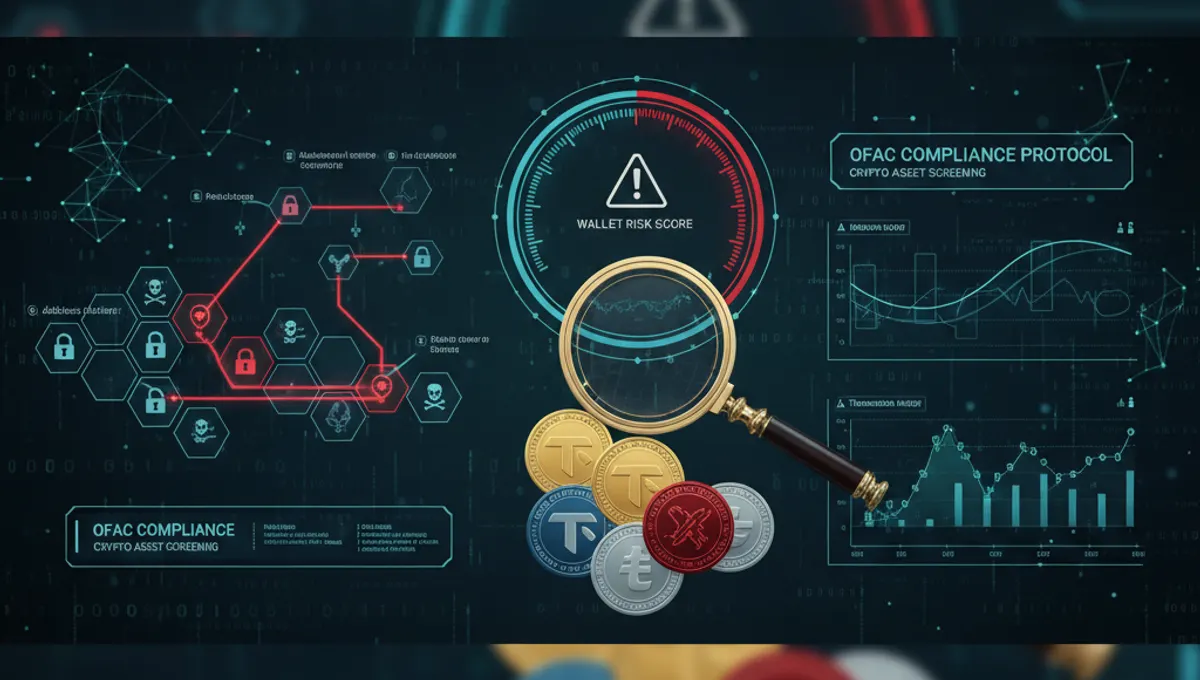
AML (Anti-Money Laundering) screening and KYT (Know Your Transaction) monitoring are the primary tools exchanges use to detect and block stolen crypto. When you report a theft, law enforcement can flag the wallet address in AML databases and sanctions lists. Exchanges subscribe to blockchain analytics services that cross-reference incoming deposits against these lists. If a deposit matches a flagged address, the exchange blocks the transaction and alerts authorities. AML risk scoring assigns a risk level to each address based on transaction history, associations with known theft or darknet activity, and behavioral patterns. A high-risk score triggers manual review or automatic freezing. The effectiveness of this system depends on how quickly the theft is reported and how widely the address is flagged across the ecosystem. Checking a wallet's AML risk score before receiving crypto can also help you avoid accepting stolen or tainted funds.
Steps to Take If Your Crypto Is Stolen
If your crypto is stolen, act immediately:
- Document the theft with screenshots of your wallet and transaction history, including the thief's address.
- Report the theft to the exchange where the funds may be deposited—provide the thief's wallet address and your transaction proof.
- File a report with law enforcement (FBI IC3 in the US, or your local equivalent) and provide the same documentation.
- Report the address to blockchain analytics firms and AML services; some accept theft reports and add addresses to risk databases.
- Monitor the stolen address using a blockchain explorer to see if and where the funds move.
- If the thief attempts to deposit on a regulated exchange, the AML screening may catch it. The window for recovery is narrowest in the first hours after theft, before the funds move to an exchange or mixer. Delays reduce the likelihood of freezing the deposit.
Why Some Stolen Crypto Cannot Be Recovered
Recovery fails in several scenarios. If the thief converts stolen crypto to another asset (fiat, stablecoins, or other tokens) before deposit, exchanges may not recognize it as stolen. If funds pass through a privacy mixer or tumbler, the on-chain trail becomes obscured, making it harder for AML systems to link the deposit to the original theft. If the thief uses an unregulated exchange or peer-to-peer platform with no KYC requirements, there is no institutional checkpoint to freeze the funds. If the theft goes unreported for days or weeks, the funds may already be withdrawn and converted. Stolen crypto sent to sanctioned entities or darknet markets is effectively lost from a recovery standpoint, as those addresses are permanently blacklisted. The decentralized nature of blockchain means no central authority can reverse transactions or force a refund. Recovery depends on the thief's operational security and the speed of your response.
How to Avoid Receiving Stolen or Tainted Crypto
Before accepting a large crypto deposit, screen the sender's wallet address using an AML check service. These tools scan the address against sanctions lists, darknet databases, and theft reports, assigning a risk score. A high-risk score indicates the address has been associated with theft, mixers, or illicit activity. Accepting tainted crypto can expose you to regulatory scrutiny, exchange account freezes, or forced asset seizure. Many exchanges now perform AML screening on incoming deposits and may freeze your account if you receive flagged funds, even if you were unaware of the source. To protect yourself, use a trusted AML screening service before accepting deposits from unknown sources. Check the wallet's transaction history for suspicious patterns: rapid transfers, deposits from mixers, or movement to darknet markets. Our curated list of verified AML services on this site provides reliable tools for wallet screening and risk assessment.
Understanding Risk Scores and Frozen USDT
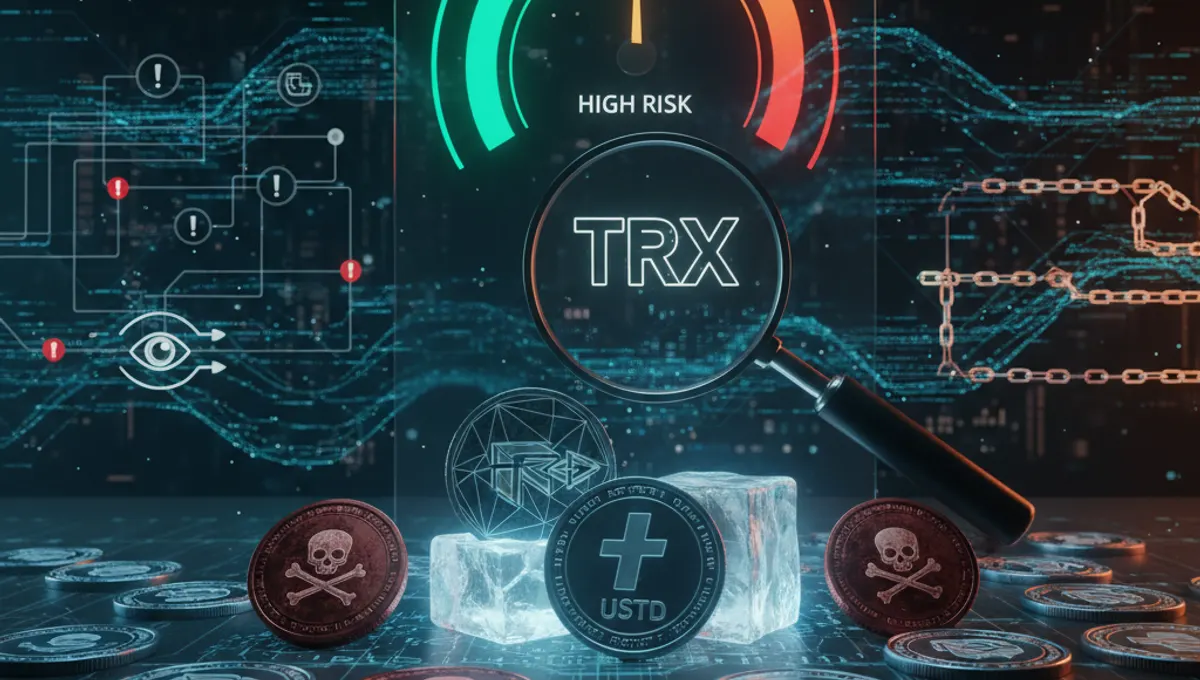
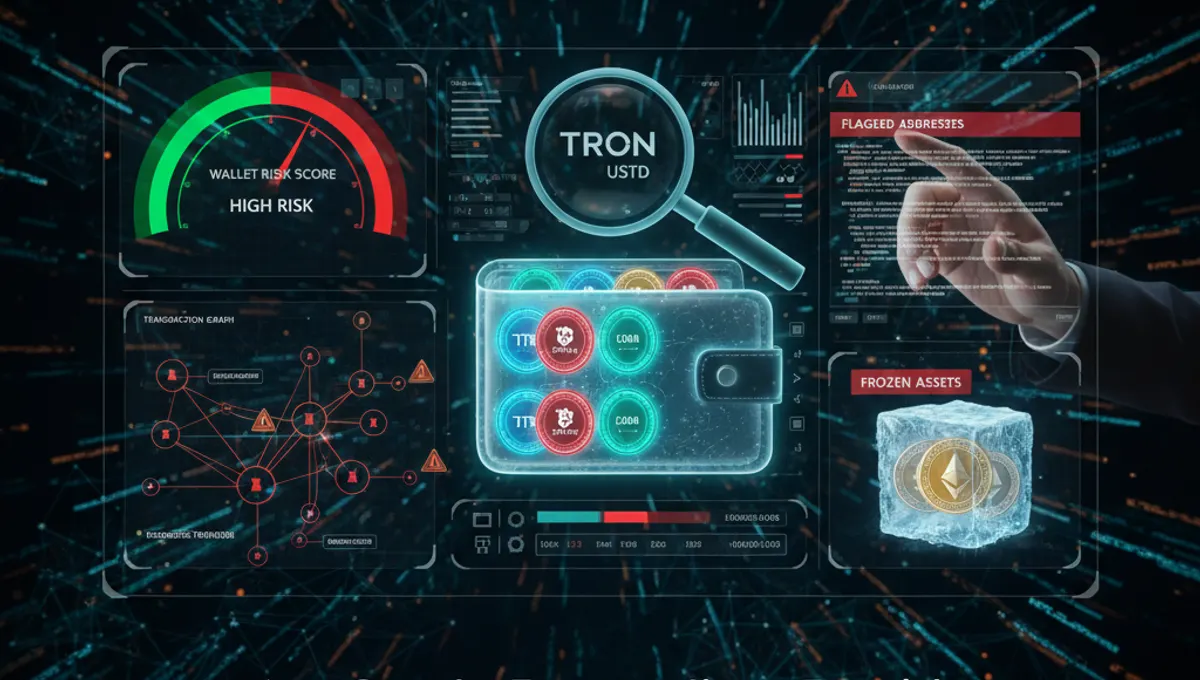
AML risk scores range from low (clean address, minimal darknet or theft association) to high (direct links to theft, sanctions, or illicit markets). Exchanges use these scores to decide whether to accept, freeze, or reject deposits. A frozen USDT deposit typically means the exchange detected a high-risk score and is investigating the source. If the address is flagged as stolen, the exchange may hold the funds indefinitely pending law enforcement clearance or return to the original owner. If the address is linked to sanctions, the funds are permanently frozen and may be seized. Understanding your wallet's risk score is critical: if you receive crypto from a high-risk source, your own account may be flagged, and future deposits may be rejected or delayed. Regularly checking your wallet's AML status helps you identify if you've received tainted coins and take corrective action before attempting to deposit on an exchange.
Frequently asked questions
Can stolen crypto be traced on the blockchain?
Yes, stolen crypto can be traced because every transaction is recorded on the blockchain with wallet addresses and timestamps. Blockchain analytics tools map the movement of funds across addresses. However, tracing becomes difficult if the thief uses privacy mixers or converts the crypto to another asset before deposit. Law enforcement and exchanges use this tracing data to identify and freeze stolen funds at exchanges.
What should I do immediately after my crypto is stolen?
Document the theft with screenshots, report it to the exchange where funds may be deposited, file a police report with law enforcement, and monitor the thief's wallet address using a blockchain explorer. Report the address to AML services to flag it in risk databases. Act quickly—the first hours are critical before the thief moves the funds to an exchange or mixer.
Can exchanges freeze stolen crypto deposits?
Yes, regulated exchanges use AML and KYT screening to detect deposits from flagged addresses. If a deposit matches a stolen or high-risk address, the exchange freezes the account and may cooperate with law enforcement to return funds to the original owner. Unregulated exchanges and peer-to-peer platforms typically lack these controls, making recovery impossible.
How can I check if a wallet address is clean before receiving crypto?
Use an AML screening service to check the sender's wallet address for risk flags. These tools scan against sanctions lists, darknet databases, and theft reports, assigning a risk score. A low score indicates a clean address with minimal illicit association. Checking before accepting deposits protects you from receiving tainted crypto and account freezes.
Why is stolen crypto sometimes unrecoverable?
Stolen crypto cannot be recovered if the thief converts it to another asset, passes it through privacy mixers, uses unregulated exchanges, or sends it to sanctioned entities. The blockchain is immutable, so transactions cannot be reversed. Recovery depends on the thief's operational security and how quickly you report the theft to authorities and exchanges.