What Are OFAC Sanctions Screening Requirements
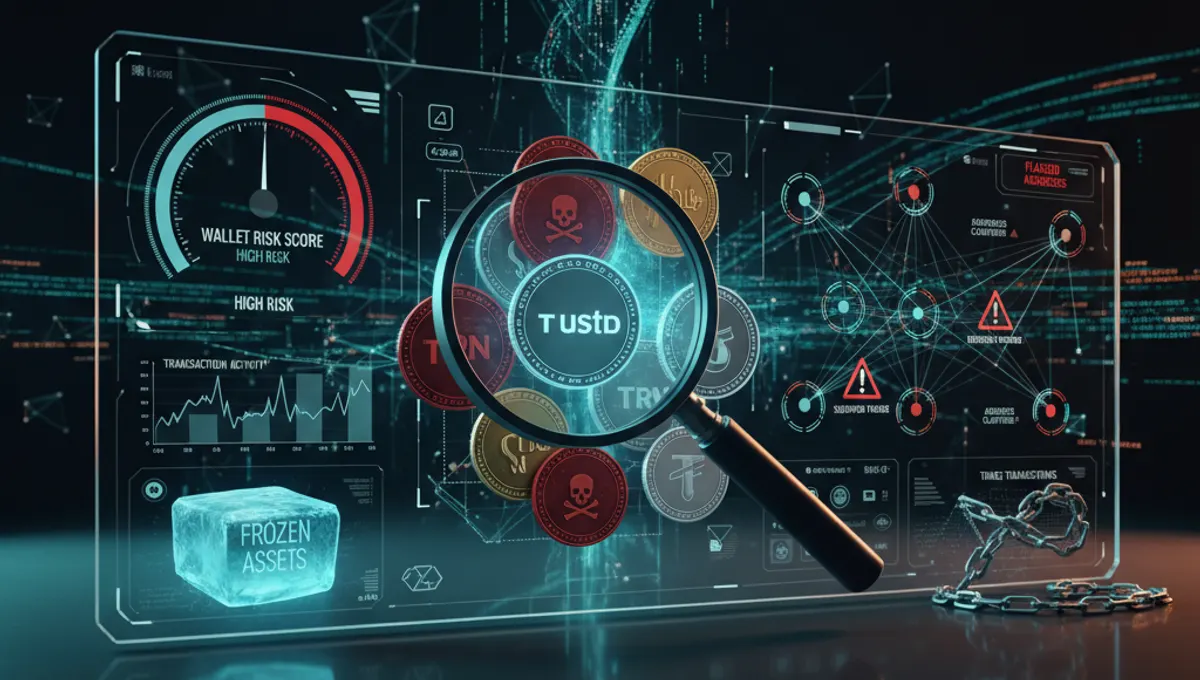
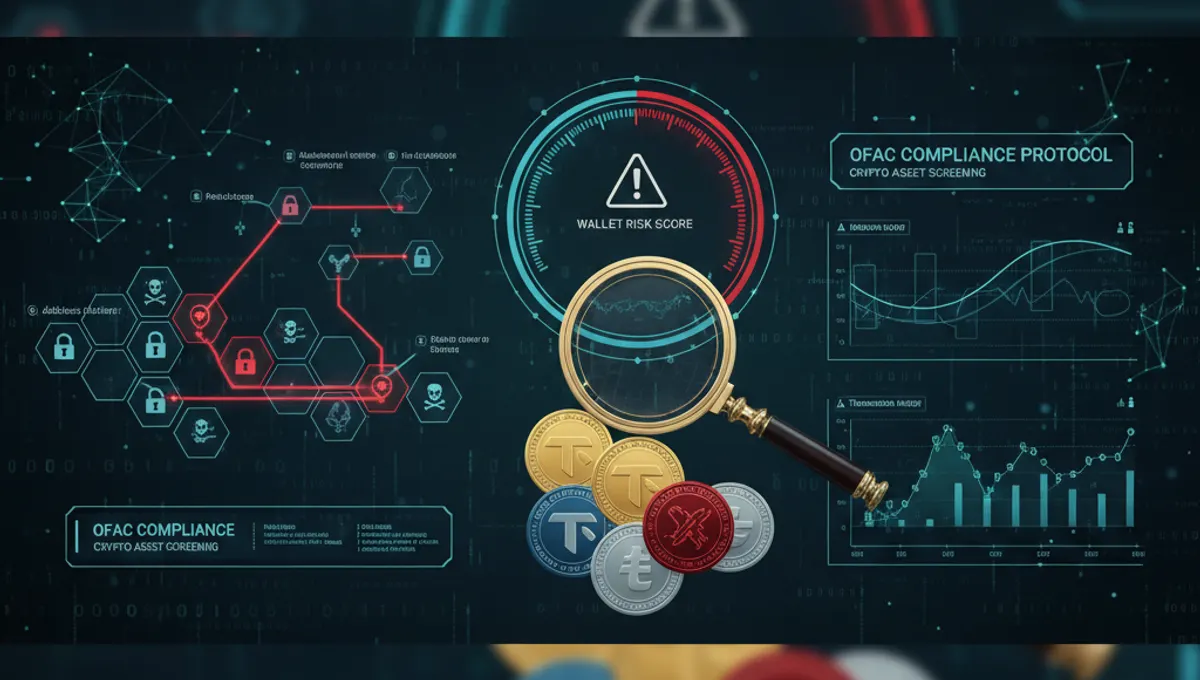
OFAC sanctions screening requirements mandate that entities verify wallet addresses against government-maintained lists of sanctioned individuals, entities, and jurisdictions. The U.S. Office of Foreign Assets Control maintains multiple lists, including the SDN list, which contains names of blocked persons and organizations. In crypto, this means checking whether a wallet address has received funds from or sent funds to sanctioned addresses, darknet markets, or high-risk sources. Exchanges and custodians must perform this check before accepting deposits and flag wallets that fail screening. Non-compliance exposes institutions to civil penalties and criminal liability. For individual users, receiving funds from a sanctioned address can result in permanent account freezes, asset seizure, and legal complications. The requirement extends beyond initial screening to ongoing transaction monitoring throughout the relationship with the exchange or custodian.
Types of Sanctions Screening in Crypto Compliance
Sanctions screening in crypto involves multiple layers of checks. Wallet address screening verifies whether a specific address appears on sanctions lists or has transacted with sanctioned entities. Transaction history screening examines the entire blockchain history of a wallet to identify tainted coins or funds originating from prohibited sources. Geographical screening flags addresses associated with high-risk or embargoed jurisdictions. Entity screening checks whether the wallet owner or beneficial owner is a sanctioned individual or organization. Ongoing monitoring screens new transactions in real time to catch emerging risks. Darknet exposure screening identifies wallets that have received funds from known darknet markets or mixing services. Each type serves a specific compliance purpose: wallet address screening prevents direct transactions with blocked parties, while transaction history screening prevents indirect exposure through tainted coins. AML check requirements typically combine multiple screening types to create a comprehensive risk profile.
How AML Check Requirements Integrate with OFAC Screening
AML check requirements and OFAC sanctions screening work together but serve different purposes. OFAC screening focuses specifically on sanctioned entities and blocked individuals, while AML checks assess broader money laundering risks including source of funds, transaction patterns, and behavioral red flags. A wallet can pass OFAC screening but fail AML checks if it shows signs of structuring, rapid movement through mixers, or connections to scam addresses. Conversely, a wallet might fail OFAC screening due to a single transaction with a sanctioned address years ago, even if current activity is legitimate. Crypto wallet screening platforms typically perform both checks simultaneously, generating separate risk scores for sanctions exposure and AML risk. Exchanges require both to pass before accepting deposits. Understanding the distinction helps you interpret why a wallet might be flagged: OFAC flags indicate legal blocking requirements, while AML flags indicate suspicious activity patterns that may warrant investigation but don't necessarily trigger automatic account freezes.
Fake Crypto Wallet Screening and Compliance Risks
Fake crypto wallet screening occurs when users or services perform incomplete or unreliable checks that miss sanctioned addresses or tainted coins. This creates compliance gaps and exposes users to receiving frozen USDT or blocked deposits. Common fake screening mistakes include checking only the current address without examining transaction history, using outdated sanctions lists, or relying on informal community reports instead of official OFAC data. Scammers sometimes create wallets that appear clean on surface-level checks but have hidden connections to darknet markets or stolen funds. Proper crypto wallet screening requires access to real-time OFAC lists, blockchain transaction history analysis, and behavioral pattern detection. Using unverified screening tools or skipping checks entirely can result in receiving dirty crypto that exchanges will freeze upon deposit. The safest approach is to use verified AML services listed on trusted compliance platforms before accepting any significant transfer. These services maintain current OFAC data and perform comprehensive transaction history analysis that catches both direct and indirect sanctions exposure.
Step-by-Step OFAC Screening Before Receiving Crypto
Before accepting a crypto transfer, follow these steps to verify OFAC compliance: First, obtain the sending wallet address from the counterparty. Second, check the address against current OFAC lists using a verified AML screening service—these services automatically cross-reference the address against the SDN list and other sanctions lists. Third, review the transaction history of the address to identify any connections to sanctioned entities, darknet markets, or known scam addresses. Fourth, assess the overall risk score: addresses with direct OFAC hits should be rejected entirely, while addresses with moderate AML risk may be acceptable depending on your risk tolerance and exchange policies. Fifth, if the address shows any OFAC flags, do not proceed—contact your exchange or compliance team before accepting funds. Sixth, document the screening results for your records. This process takes minutes using automated tools and prevents receiving frozen USDT or triggering exchange account bans. Most exchanges perform this screening automatically, but individual users should verify before accepting large transfers from unfamiliar sources.
OFAC Screening Risk Score Thresholds and Acceptable Levels
Risk scores from OFAC and AML screening typically range from 0 to 100, with different thresholds indicating different compliance postures. A score of 0–20 indicates minimal risk and direct OFAC compliance; these addresses are safe to receive. A score of 21–50 indicates low-to-moderate risk, usually from minor transaction history concerns or connections to high-risk jurisdictions; most exchanges accept these. A score of 51–75 indicates moderate-to-high risk, often from mixer usage, gambling platforms, or multiple hops from sanctioned sources; some exchanges flag these for review. A score of 76–100 indicates high risk or direct OFAC hits; these addresses are typically blocked or frozen. Acceptable thresholds vary by institution: conservative exchanges may reject anything above 30, while others accept up to 50. Individual risk tolerance depends on your jurisdiction and regulatory exposure. For receiving USDT or TRX, aim for addresses scoring below 30 to avoid deposit delays or freezes. If you receive funds from an address scoring above 50, notify your exchange immediately and request manual review rather than attempting deposit, which may trigger automatic account restrictions.
What Happens When Wallets Fail OFAC Screening
When a wallet fails OFAC screening, the consequences depend on whether the failure is a direct hit or an indirect connection. Direct OFAC hits—meaning the address itself appears on the SDN list—result in immediate blocking by all regulated exchanges and custodians. Funds cannot be moved, and accounts are frozen pending investigation. Indirect hits occur when a wallet has received funds from a sanctioned address at any point in its history; these trigger enhanced due diligence and may result in temporary holds or account restrictions. If you attempt to deposit USDT or TRX from a flagged address, the exchange will likely reject the transaction and may freeze your account pending compliance review. Recovery from OFAC flags is difficult: if the flag is a direct hit, the address remains blocked until officially delisted by OFAC, which rarely happens. If the flag is from historical transaction activity, you may request manual review and provide evidence of legitimate source of funds, but approval is not guaranteed. The best approach is to avoid receiving funds from flagged addresses entirely by screening before accepting transfers. Use verified AML services to check wallet addresses before transactions, and consult the curated list of trusted AML screening services available on this site for reliable screening tools.
Frequently asked questions
What is the difference between OFAC screening and AML checks
OFAC screening specifically checks whether a wallet address is connected to sanctioned entities or blocked individuals on government lists. AML checks assess broader money laundering risks including transaction patterns, source of funds, and behavioral red flags. Both are required for crypto compliance, but OFAC flags trigger automatic blocking while AML flags may allow manual review.
Can I receive USDT if the sending wallet has a high AML risk score
It depends on the score and your exchange's policy. Scores below 50 are typically acceptable with standard processing. Scores above 50 may trigger enhanced review or temporary holds. Direct OFAC hits always result in rejection. Check your exchange's specific thresholds and contact support if unsure whether a transfer will be accepted.
How often do OFAC sanctions lists update
OFAC updates its sanctions lists regularly, sometimes multiple times per week. Verified AML screening services maintain real-time or near-real-time access to these updates. Using outdated lists creates compliance gaps. Always use current screening tools from trusted providers listed on verified AML service directories.
What happens if I receive crypto from a sanctioned wallet by mistake
Notify your exchange immediately before attempting to deposit the funds. Do not move the coins further. The exchange will likely freeze the transaction pending investigation. Provide documentation of the mistake and request manual review. Cooperation and transparency improve chances of resolution, though the funds may remain frozen if OFAC involvement is confirmed.
Can a wallet pass OFAC screening but still be considered dirty crypto
Yes. A wallet can pass OFAC screening but show high AML risk from mixer usage, gambling connections, or rapid movement patterns. These wallets may be flagged as dirty crypto by exchanges even without direct sanctions exposure. Always review both OFAC and AML risk scores before accepting transfers.