What Is an AML Locator and Why It Matters
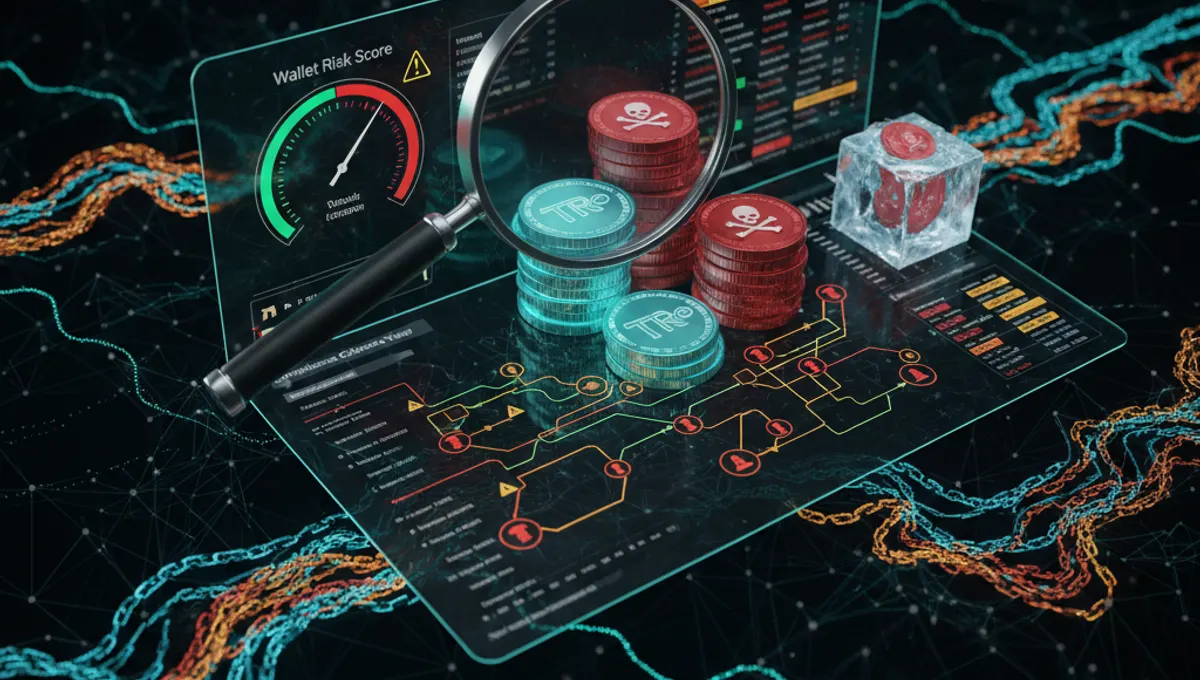
An AML locator is a compliance tool that scans blockchain transactions and wallet history against known risk indicators: mixers, darknet markets, stolen funds, sanctioned entities, and gambling platforms. When you receive crypto from an unknown sender, that address may carry transaction history flagged by blockchain analytics firms. Exchanges and custodians use AML locators to prevent money laundering and comply with regulatory requirements. If your wallet receives coins traced to illegal activity, exchanges can freeze your account or reject deposits. An AML locator review helps you understand which screening services are reliable and what risk thresholds matter for your use case.
How the AML Check Process Works
The AML check process follows these steps:
- Enter a wallet address (TRX, USDT, BTC, ETH, or other tokens) into the screening tool.
- The tool queries blockchain transaction history and cross-references it against known risk databases.
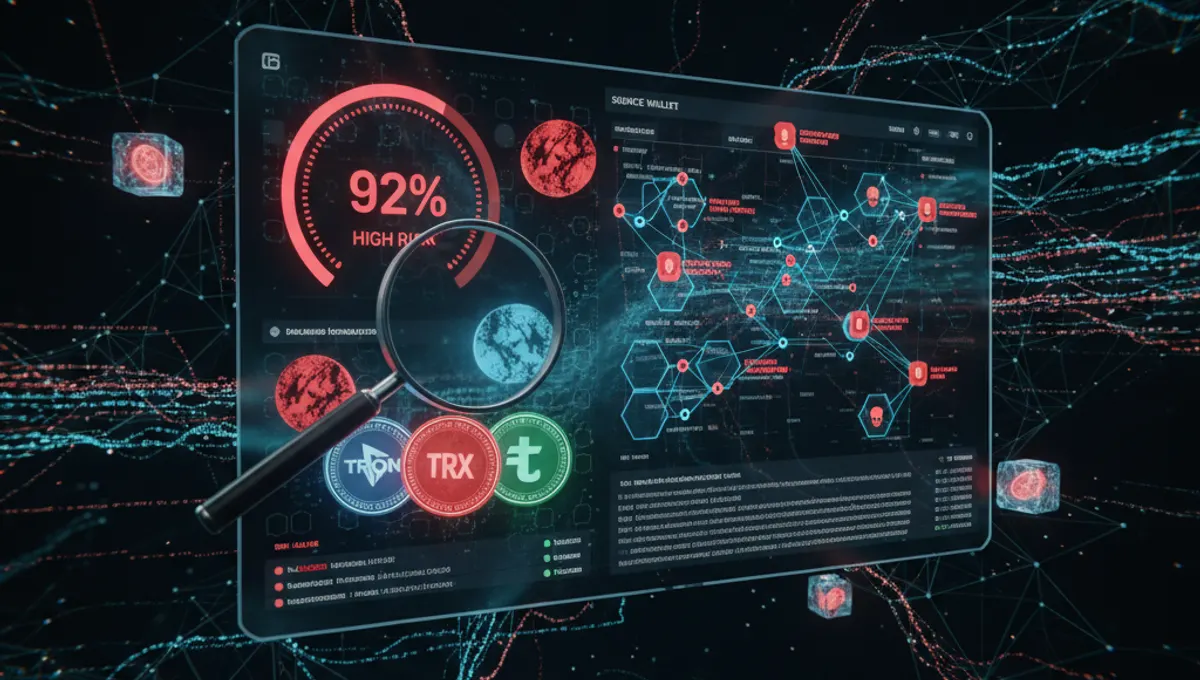
- The system assigns a risk score based on transaction patterns, counterparty exposure, and historical flags.
- Results display risk categories: mixer usage, darknet exposure, sanctions lists, stolen funds, gambling, or scam associations.
- You receive a report showing transaction flow, linked addresses, and risk level.
The entire AML check process typically completes in seconds to minutes. Most services provide a summary risk score and a detailed breakdown of flagged transactions. Some tools also show the age of the risk flag and whether the wallet has been remediated or delisted.
Understanding AML Check Fees and Pricing
AML check fees vary by service and usage tier. A single AML check fee typically ranges from free (limited checks per month) to a few dollars per lookup. Batch screening or API access incurs higher AML fees, often charged per transaction or as a monthly subscription. Some services offer a free tier with basic risk scoring; premium tiers unlock detailed transaction graphs and historical analysis. When reviewing AML locator services, compare the AML check fee against the depth of reporting: a cheap check may miss nuanced risk signals, while an expensive service may include features you don't need. Our curated list of verified AML services on this site compares pricing and features side-by-side, helping you choose the right balance of cost and accuracy.
AML Check Requirements and What Information You Need
To perform an AML check, you need:
- A valid wallet address (TRX, USDT, BTC, ETH, or other blockchain tokens).
- Clarity on the blockchain network (Tron, Ethereum, Bitcoin, etc.).
- Context about the transaction: sender, amount, and intended use.
Some AML check requirements vary by service. Advanced screening may ask for your exchange account details or transaction metadata to correlate risk across platforms. Regulatory compliance scenarios (e.g., institutional transfers) may require full KYC documentation alongside the AML check. For personal use, entering the address alone is usually sufficient. However, if you're receiving large amounts or from unfamiliar sources, providing transaction context helps the tool flag relevant risks.
Risk Score Levels and What They Mean
AML locators assign risk scores on a scale, typically 0–100 or Low/Medium/High/Critical. Here's what each level signals:
- Low (0–20): Minimal transaction history or clean activity. Safe to receive.
- Medium (21–50): Some exposure to mixers or minor risk indicators. Use caution; verify the source.
- High (51–80): Significant mixer usage, darknet links, or stolen fund traces. Avoid unless you can explain the history.
- Critical (81–100): Direct sanctions exposure, confirmed stolen funds, or active scam association. Do not receive.
Acceptable risk thresholds depend on your use case. Exchanges typically reject deposits above Medium risk. Personal wallets may tolerate Medium risk if you trust the sender. Institutional transfers require Low risk. When reviewing an AML locator, check whether it explains the reasoning behind each risk score and allows you to drill into specific flagged transactions.
How to Check a Wallet Before Receiving USDT or TRX
Before accepting crypto from an unknown party, follow these steps:
- Ask the sender for their wallet address.
- Copy the address and verify it matches the sender's claim (check for typos or lookalike addresses).
- Visit a trusted AML screening service from our verified AML services list on this site.
- Paste the address and select the correct blockchain (Tron for TRX, Ethereum for USDT-E, etc.).
- Review the risk score and transaction history.
- If the score is Low or acceptable for your threshold, proceed.
- If the score is High or Critical, ask the sender to explain the history or decline the transfer.
This AML check process takes under a minute and can prevent frozen deposits. Many users skip this step and later face account freezes when exchanges detect tainted coins. Checking proactively is far simpler than disputing a frozen account.
Comparing AML Locator Services: What to Look For
When reviewing AML locator tools, evaluate these criteria:
- Coverage: Does it support all blockchains you use (Tron, Ethereum, Bitcoin)?
- Accuracy: Does it flag known risk categories (mixers, darknet, sanctions)?
- Speed: Does screening complete in seconds?
- Reporting: Does it show transaction graphs and explain risk reasoning?
- AML check fee: Is pricing transparent and reasonable for your volume?
- API access: Do you need batch screening or real-time integration?
- Support: Is documentation clear and customer support responsive?
Our curated list of verified AML services on this site includes detailed comparisons of these factors. Rather than testing multiple services yourself, start with the trusted options we've vetted. Each service on our list has been reviewed for accuracy, compliance, and user experience, saving you time and reducing the risk of missing critical flags.
Frequently asked questions
What does an AML locator do?
An AML locator scans a wallet address against blockchain transaction history and risk databases to identify tainted coins, darknet exposure, mixer usage, sanctions flags, and stolen funds. It assigns a risk score to help you decide whether to receive crypto from that address.
How much does an AML check cost?
AML check fees range from free (limited checks per month) to a few dollars per lookup. Batch screening and API access cost more, often via monthly subscription. Compare pricing on our verified AML services list to find the right balance of cost and reporting depth.
Can I check a wallet for free?
Yes, many AML locators offer free tiers with basic risk scoring. Free checks usually include a risk score and summary flags but may lack detailed transaction graphs. Premium paid checks unlock full transaction history and advanced analytics.
What risk score is safe for receiving crypto?
Low risk (0–20) is safest. Medium risk (21–50) requires caution and verification of the source. High or Critical risk should be avoided unless you can explain the history. Exchanges typically reject deposits above Medium risk.
How long does an AML check take?
Most AML locators complete a screening in seconds to a few minutes. Real-time checks are typical for single addresses. Batch screening of multiple addresses may take longer depending on the service and volume.