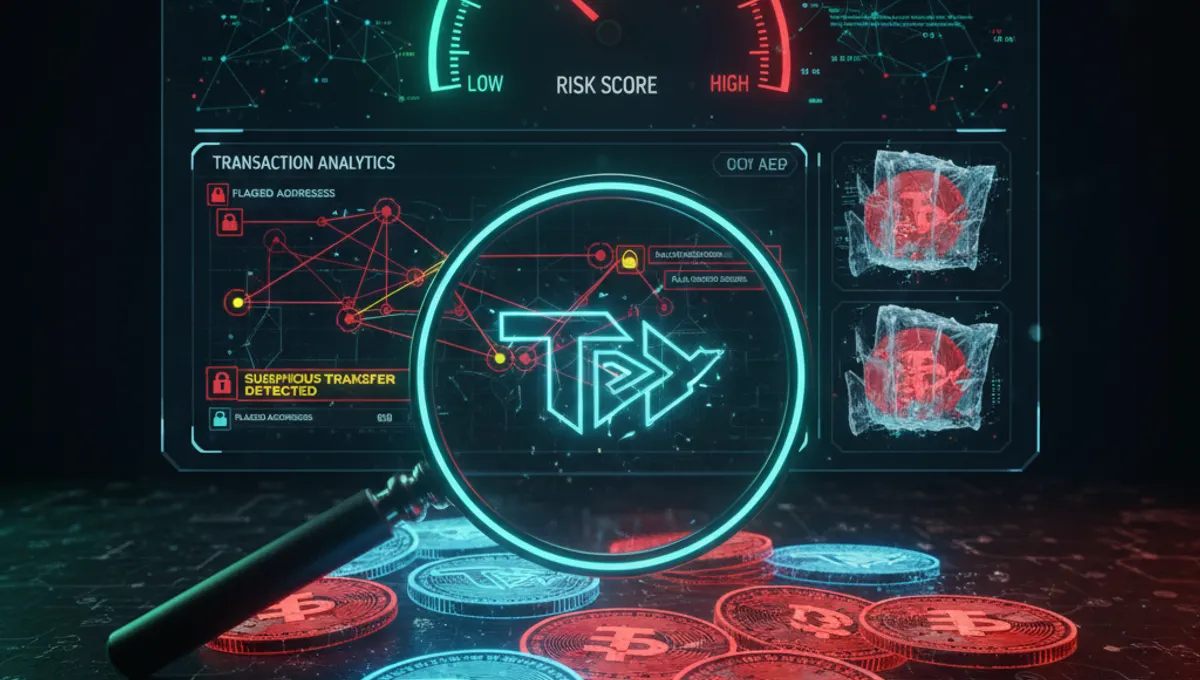
What Are AML Check Requirements?
AML check requirements are the baseline standards that compliance services must meet when screening cryptocurrency wallets. These requirements typically include: analyzing transaction history and patterns, cross-referencing wallet addresses against sanctions lists and known darknet markets, assigning risk scores based on exposure to illicit activity, and documenting findings for audit trails. Different jurisdictions impose different regulatory frameworks—some require financial institutions to perform AML checks on all customer deposits, while others apply stricter rules to high-value transfers. The core requirement across most services is transparency: you should know what data is being analyzed, how the risk score is calculated, and what specific red flags triggered any warnings. Most AML check crypto services now follow guidelines aligned with FATF (Financial Action Task Force) recommendations, though implementation varies.
How Is an AML Check Risk Score Calculated?
An AML check risk score is a numerical rating that reflects the likelihood a wallet has been involved in illicit activity. Scoring typically considers: the age and transaction volume of the wallet, whether funds have passed through known mixers or tumbling services, exposure to darknet marketplace addresses, connection to sanctioned entities or high-risk jurisdictions, and patterns consistent with scams or stolen funds. Most services use a scale from 0 (clean) to 100 (high risk), though some use color-coded ratings (green, yellow, red). The AML check process combines automated blockchain analysis with rule-based detection—for example, if a wallet received funds directly from a known mixer address, the score increases. However, a single transaction with a risky address does not automatically mark a wallet as dirty; context matters. Services weight recent activity more heavily than old transactions, recognizing that wallet behavior can change. Understanding how your score was derived helps you decide whether to accept or reject incoming funds.
What Documentation Is Required for AML Checks?
Documentation requirements for AML checks depend on the context and the service performing the check. For individual wallet screening through a public AML check tool, minimal documentation is typically needed—you provide the wallet address, and the service returns a risk report. However, if you are a business receiving large crypto transfers, exchanges and payment processors may require additional documentation: proof of funds origin, identification of the wallet owner (if known), transaction purpose, and business registration details. Some jurisdictions mandate that financial institutions maintain records of all AML checks performed, including the date, wallet address, risk score, and any remedial actions taken. If your wallet is flagged as high-risk, you may be asked to provide evidence that funds are legitimate—such as invoices, contracts, or bank statements showing the source. The AML check fee structure often reflects documentation burden: basic wallet screening is usually free or low-cost, while detailed compliance reports with full documentation support cost more.
AML Check Requirements for Different Blockchains
AML check requirements are not uniform across blockchains; each has different transaction visibility and risk profiles. For Tron (TRX) and USDT on Tron, the AML check tron process focuses on TRC20 token transfers and the high volume of stablecoin activity on the network. Tron's transparent ledger makes transaction tracing straightforward, but the network's popularity with retail users also means more legitimate activity to filter from illicit patterns. Bitcoin and Ethereum have longer transaction histories and more established threat databases, so AML check crypto services for these chains often provide more granular risk assessments. Monero and privacy-focused coins present a different challenge: their privacy features make transaction analysis difficult, so many exchanges and compliance services flag them as higher-risk by default or refuse to process them. When checking a wallet address, ensure the AML check service supports the specific blockchain—a service designed for Ethereum may not accurately assess Tron addresses.
Step-by-Step: How to Perform an AML Check Before Receiving Funds
Before accepting a large crypto transfer, follow these steps to verify the wallet is not flagged as dirty:
- Obtain the sender's wallet address and note the blockchain (Tron, Ethereum, Bitcoin, etc.).
- Visit a trusted AML check service—review the curated list of verified AML services on this site to find options that match your needs.
- Enter the wallet address into the screening tool and initiate the scan.
- Review the risk score and any flagged transactions or connections.
- Check the report details: does it show exposure to mixers, darknet markets, sanctions lists, or scams.
- Assess whether the risk level is acceptable for your use case—a score of 5–15 is typically considered low-risk, 15–50 moderate, and above 50 high-risk.
- If the wallet is flagged, contact the sender to understand the transaction history or decline the transfer.
- Document the AML check result for your records. This process takes minutes and can prevent you from receiving frozen or blocked USDT.
What Risk Score Thresholds Should You Accept?
Risk score thresholds depend on your risk tolerance and the transaction context. For retail users receiving small payments, a score below 20 is generally safe—these wallets show minimal exposure to illicit activity. For business transactions or larger amounts, many compliance professionals recommend a threshold of 10 or lower. Scores between 20–50 warrant caution: the wallet may have received funds from a mixer or have minor darknet exposure, but this does not necessarily mean the current transaction is illicit. Scores above 50 are typically considered high-risk and should be rejected unless you have strong evidence the funds are legitimate. However, thresholds are not absolute; context matters. A wallet with a score of 35 that received one transaction from a gambling platform may be acceptable, while a score of 25 with direct darknet connections should be avoided. The AML check fee you pay for a detailed report often includes risk threshold guidance specific to your industry. When in doubt, use the verified AML services listed on this site—they provide context-specific recommendations.
What Happens If Your Wallet Is Flagged as High-Risk?
If your wallet receives a high-risk AML check score, several outcomes are possible. Exchanges may freeze your account or block deposits until you provide documentation proving the funds are legitimate. Payment processors may decline transactions. In some cases, your wallet address is added to internal blocklists, making it difficult to move funds through regulated services. If your wallet is flagged, take these steps:
- Request a detailed report from the AML check service explaining which transactions or connections triggered the high score.
- Gather documentation: transaction receipts, invoices, bank statements, or other proof of legitimate fund origin.
- Contact the exchange or service that flagged you and provide this documentation.
- If the flag was due to a single transaction with a risky address, explain the context—for example, if you received funds from a friend who used a mixer for privacy, that context may be sufficient.
- Request a re-evaluation or appeal. Most services will review your case if you provide credible evidence. Frozen USDT and blocked deposits are frustrating but often reversible with proper documentation.
Frequently asked questions
What is the typical aml check fee?
AML check fees vary widely. Basic wallet screening through public tools is often free or costs $1–5 per check. Detailed compliance reports with full documentation support range from $10–50. Enterprise-level AML check crypto services charge monthly subscriptions or per-transaction fees. Some services offer free tiers with limited checks per month.
How long does an aml check process take?
Most AML check crypto scans complete within seconds to a few minutes. The service analyzes the wallet's transaction history against threat databases and calculates a risk score in real-time. Detailed reports with manual review may take hours or days. For urgent transfers, basic automated checks are sufficient.
Can I check a tron address for free?
Yes, many AML check tron services offer free basic screening. You enter the TRC20 wallet address and receive a risk score and summary report at no cost. Premium features like detailed transaction analysis or historical data may require payment. Check the verified AML services on this site for free options.
What does a high aml check score mean?
A high AML check score (typically above 50) indicates the wallet has exposure to illicit activity—such as mixer transactions, darknet connections, sanctions lists, or scams. It does not prove the current owner is guilty, but it signals elevated risk. You should verify the source of funds before accepting a transfer.
Will an aml check reveal my identity?
No. An AML check analyzes only the wallet address and its transaction history on the blockchain. It does not reveal your personal identity unless you voluntarily provide it to the service or exchange. Blockchain addresses are pseudonymous by default.