What Is an AML Crypto Wallet Check and Why It Matters
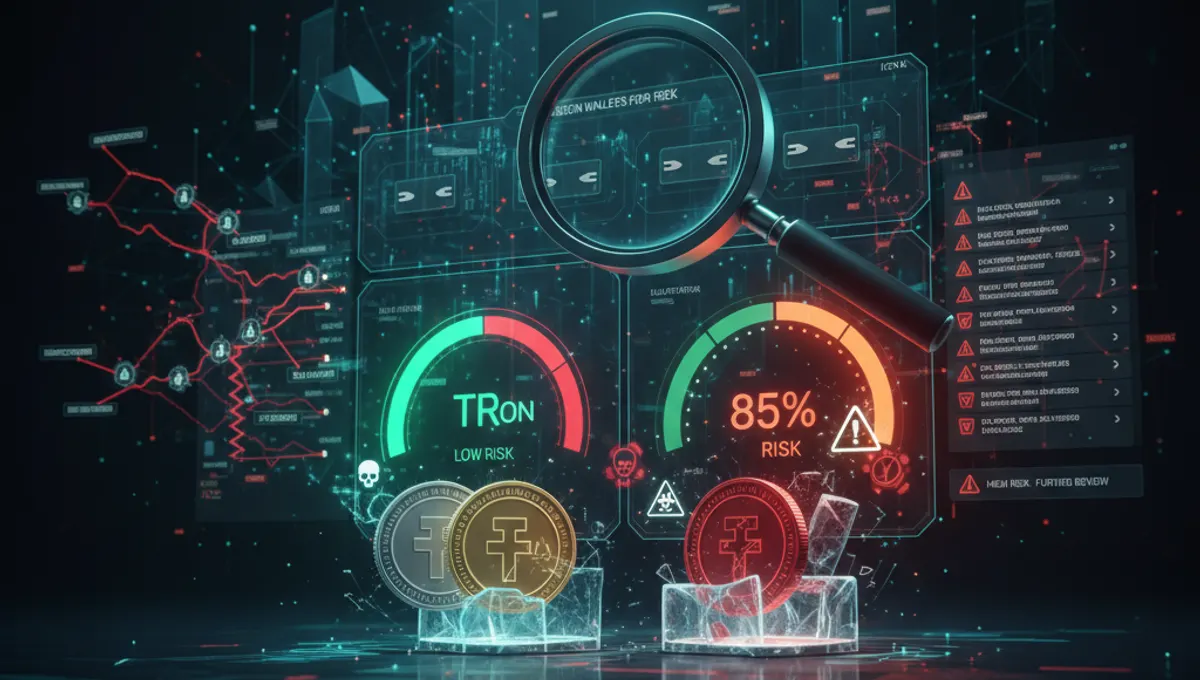
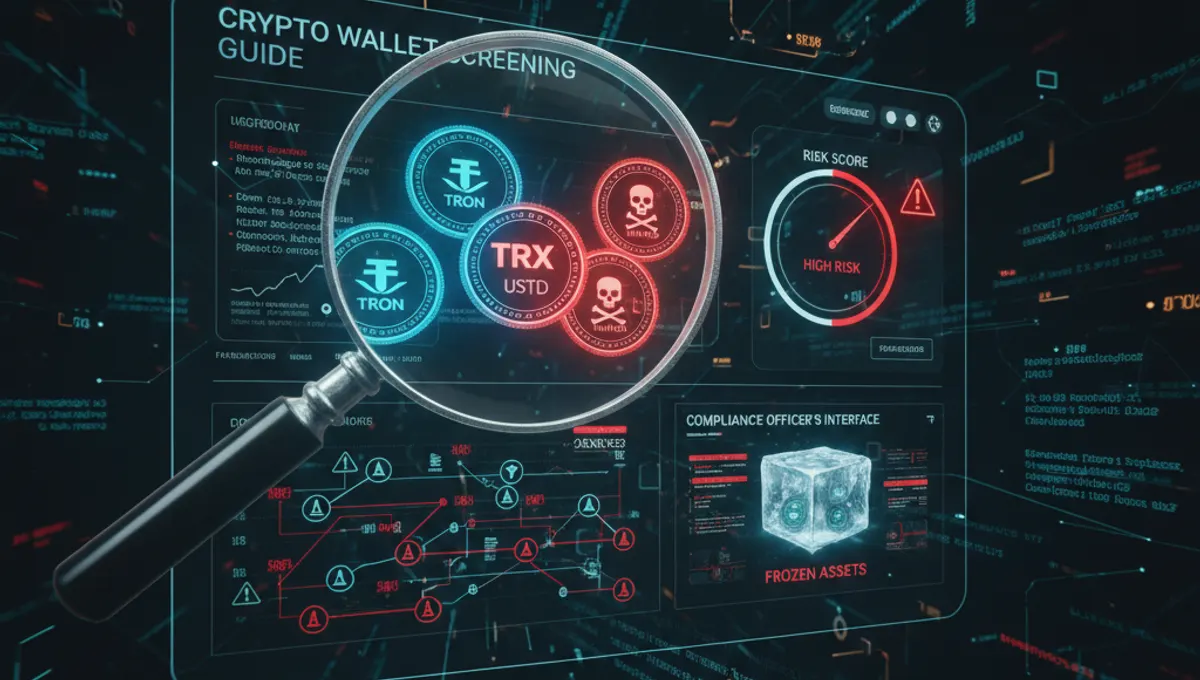
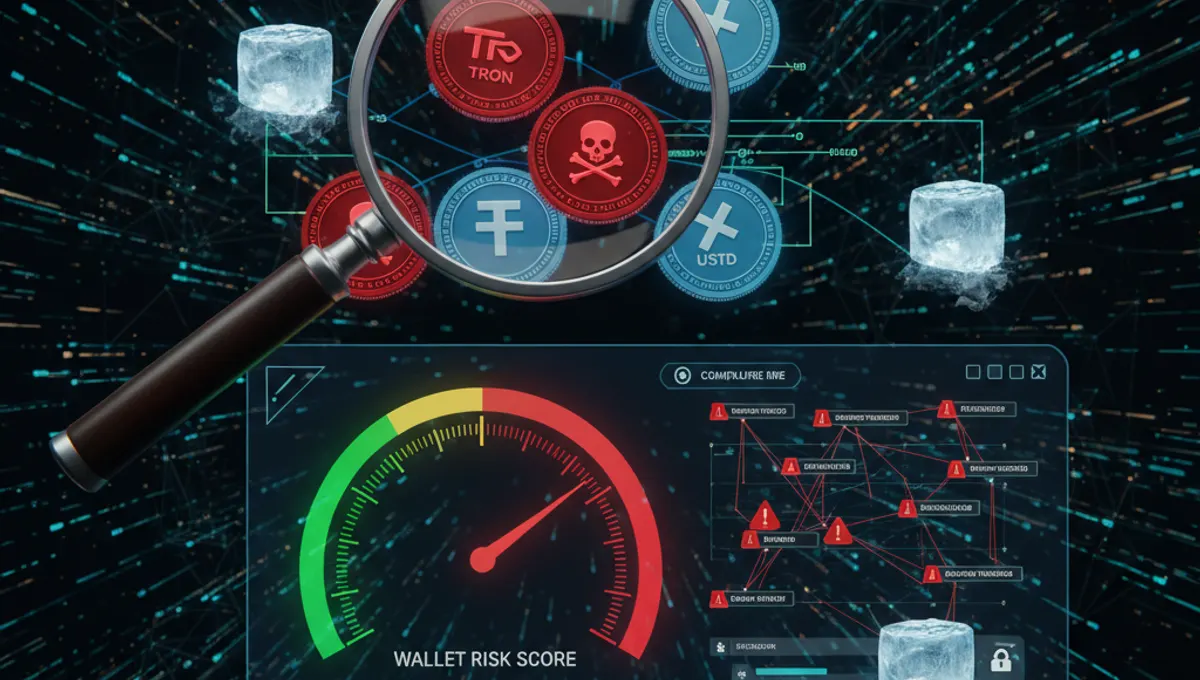
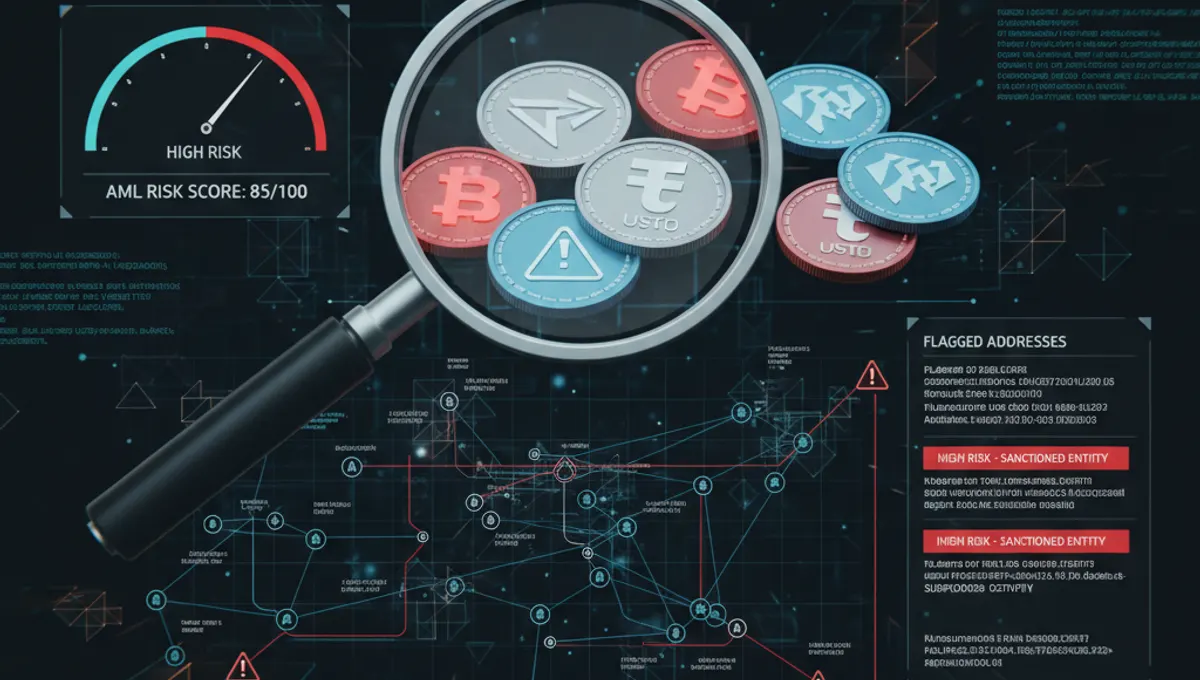
An AML crypto wallet check scans a blockchain address against known risk indicators: transaction history with mixers, darknet marketplace connections, sanctioned entity involvement, stolen fund traces, and gambling platform links. Exchanges and custodians use these checks to comply with financial regulations and prevent money laundering. For individual users, an AML check protects you from receiving tainted coins that may be frozen or rejected by exchanges. A single transaction with a flagged address can taint your entire wallet, making future deposits difficult or impossible. Risk scoring assigns a numerical rating—typically green (low risk), yellow (medium risk), or red (high risk)—based on the address's transaction patterns and counterparty exposure.
How AML Scoring Works for Crypto Addresses
AML scoring combines on-chain analysis with external intelligence to rate wallet risk. The system examines:
- direct transactions with known illicit addresses,
- indirect exposure through multiple hops in the transaction chain,
- interaction with high-risk services like mixers and tumblers,
- connections to darknet markets or gambling platforms,
- presence on sanctions lists (OFAC, EU, UN), and
- reports of stolen or scammed funds. Each risk category receives a weighted score. An address that directly received funds from a mixer may score higher risk than one with only distant connections. Time decay also applies—older transactions with flagged entities may reduce risk scoring over time, though some exchanges maintain permanent flags. The final score reflects cumulative exposure, not a single transaction.
How to Check a Crypto Wallet Before Receiving USDT or TRX
Follow these steps to perform an AML crypto wallet check on any address:
- Identify the address and blockchain network (TRON, Ethereum, Bitcoin, etc.).
- Visit a trusted AML screening service—our curated list of verified AML services on this site includes tools that support multiple blockchains and provide detailed risk reports.
- Paste the wallet address into the search field.
- Review the risk score and transaction history. Look for flags: mixer interactions, darknet exposure, sanctions list matches, or stolen fund reports.
- Examine the detailed breakdown: which addresses the wallet has transacted with, the dates and amounts, and specific risk categories triggered.
- Check the transaction chain—trace back several hops to understand the funds' origin.
- Decide whether to proceed based on your risk tolerance and compliance requirements.
For USDT on TRON (TRC20), check both the sending address and any intermediate addresses in the transaction path. Frozen USDT often results from a single tainted transaction in the chain.
Understanding Risk Score Levels and What They Mean
Risk scores typically fall into three categories, though exact thresholds vary by service:
Low Risk (Green): The address shows minimal or no exposure to illicit activity, sanctions lists, or high-risk services. Transactions are primarily with known exchanges, legitimate businesses, or other low-risk addresses. Acceptable for most compliance purposes.
Medium Risk (Yellow): The address has some exposure—perhaps a transaction with a mixer, distant connection to a flagged entity, or interaction with a gambling platform. Not necessarily dangerous, but warrants caution. Many exchanges accept medium-risk deposits with additional scrutiny.
High Risk (Red): The address has direct or recent exposure to darknet markets, stolen funds, sanctioned entities, or active mixers. Exchanges typically freeze or reject deposits from high-risk addresses. Receiving funds from a red-flagged address can taint your own wallet.
Acceptable thresholds depend on your use case. Retail users should avoid high-risk addresses entirely. Institutional users may accept medium-risk with documented justification.
What to Do If Your Crypto Is Flagged as Dirty
If you receive flagged or tainted coins, your options are limited:
Immediate steps: Check your wallet's risk score using an AML screening service. Identify which transaction caused the flag. Document the source—if you received funds unknowingly or through a scam, gather evidence.
Exchange deposits: Most exchanges will reject or freeze deposits from flagged addresses. Contact the exchange's compliance team with documentation of how you acquired the funds. Some exchanges may unfreeze funds if you can prove legitimate origin, though this is rare.
Holding the coins: Keeping flagged coins in a non-custodial wallet is legal, but you cannot easily convert them to fiat or transfer them to regulated exchanges. The flag may persist indefinitely or fade over time depending on the service's policies.
Prevention: Before receiving cryptocurrency, ask the sender to provide their wallet's risk score. Use an AML crypto check free tool or paid service to screen addresses. Avoid transactions with unknown or suspicious sources.
Common Risk Flags: Mixers, Darknet, Sanctions, and Stolen Funds
Several specific risk categories trigger AML flags:
Mixers and Tumblers: Services that obscure transaction origins by combining and redistributing funds. Any direct transaction with a mixer raises immediate red flags, as mixers are primarily used to launder illicit proceeds.
Darknet Markets: Addresses associated with darknet marketplaces (identified through law enforcement data and blockchain analysis) are universally flagged. Receiving from these addresses is a major compliance violation.
Sanctions Lists: OFAC (U.S. Office of Foreign Assets Control), EU, and UN maintain lists of sanctioned entities and individuals. Addresses linked to these entities trigger automatic blocks on most exchanges.
Stolen Funds: Addresses identified as recipients of stolen cryptocurrency from exchange hacks, private key compromises, or scams are flagged. These coins are often frozen by exchanges even years after the theft.
Gambling Platforms: Some compliance frameworks flag gambling transactions as medium risk due to money laundering concerns, though this varies by jurisdiction and exchange policy.
Each flag category carries different weight in risk scoring.
Choosing a Trusted AML Wallet Screening Service
When selecting an AML crypto wallet check tool, evaluate these factors:
Coverage: Does it support the blockchains you use (TRON, Ethereum, Bitcoin, Solana, etc.)? Can it check both TRC20 USDT and native tokens?
Data sources: Does the service use official sanctions lists (OFAC, EU, UN) and reputable blockchain analytics firms? Avoid services that rely on unverified or outdated data.
Transparency: Can you see the detailed breakdown of risk factors, or only a score? Detailed reports help you understand why an address is flagged.
Free vs. paid: Free AML crypto checks often provide basic risk scores but limited detail. Paid services offer deeper analysis, historical tracking, and API access for businesses.
Speed: Does the service return results instantly or require hours?
Accuracy: Check user reviews and case studies. Reputable services maintain low false-positive rates.
Our curated list of verified AML services on this site includes tools tested for accuracy, speed, and compliance credibility. Starting with a trusted service from that list is the safest approach for both individuals and businesses.
Frequently asked questions
Can I do a free AML crypto check on my wallet?
Yes. Many AML screening services offer free basic checks that return a risk score and summary of flags. Free tools typically show whether an address is low, medium, or high risk, but provide limited detail on specific transactions or risk factors. Paid services unlock detailed reports, historical analysis, and API access. For a single wallet check, free AML crypto check tools are sufficient; for ongoing monitoring or business compliance, paid services are recommended.
What happens if I receive USDT from a flagged address?
If you receive USDT (or any cryptocurrency) from a flagged address, your wallet may inherit the risk flag. When you try to deposit the coins to an exchange, the exchange's AML screening will detect the tainted transaction and may freeze or reject the deposit. You cannot easily convert flagged coins to fiat currency. To avoid this, check the sender's wallet risk score before accepting the transfer.
How long does an AML flag stay on a crypto address?
AML flags can persist indefinitely, depending on the risk category and the screening service's policies. Flags for sanctions list matches or darknet connections are typically permanent. Flags for mixer transactions or medium-risk exposure may fade over time or after the address shows clean activity for an extended period. Different services update their data at different rates, so an address may be flagged by one service but not another.
Is an AML crypto check the same as a KYC check?
No. An AML crypto wallet check screens the address itself for illicit activity and risk exposure. KYC (Know Your Customer) verifies the identity of the person or entity controlling the wallet. Exchanges typically require both: KYC to confirm who you are, and AML screening to ensure the address and funds are not flagged. AML checks are automated and instant; KYC involves document submission and manual review.
Can I use an AML crypto check free tool on Telegram?
Some Telegram bots offer basic AML crypto check free functionality, but use caution. Verify that any bot is linked to a reputable, established AML service. Avoid bots from unknown sources, as they may steal wallet addresses or private key information. Official AML services sometimes offer Telegram integration for convenience, but always confirm authenticity through the service's main website before entering sensitive data.