What Does AML Check Mean: Core Definition
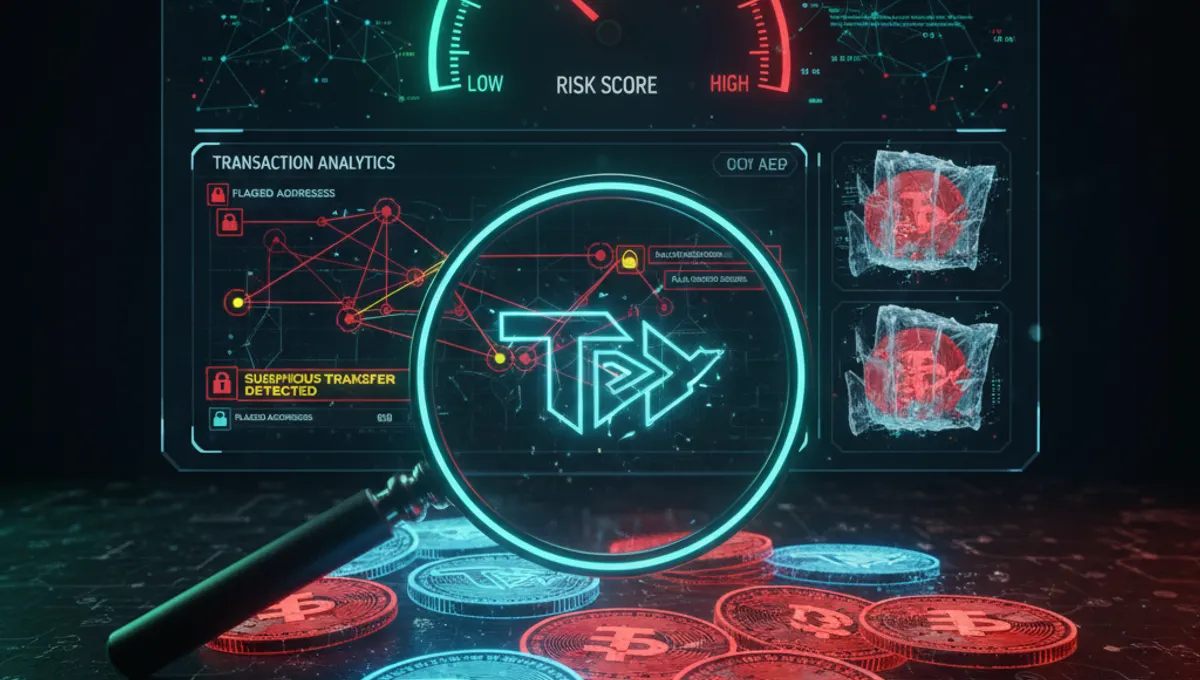
AML check meaning in crypto refers to a compliance screening that traces a wallet's transaction history and associations on the blockchain. The check looks for red flags such as mixer usage, darknet market exposure, stolen funds, sanctions list matches, and gambling platform links. When you perform an AML check on a crypto address, you receive a risk assessment that tells you whether the wallet or coins are clean or dirty. This is different from a simple balance lookup—an AML check digs into the source and movement of funds. Financial institutions and exchanges use AML checks to comply with regulatory requirements and avoid processing illicit funds. For individual users, an AML check provides peace of mind before accepting USDT, TRX, BTC, or ETH from unknown sources.
How Long Does an AML Check Take
An AML check typically completes in seconds to a few minutes. Most blockchain analytics services scan the wallet address against their database of known risk indicators in real time. The speed depends on the complexity of the wallet's history—a simple address with few transactions may return results instantly, while a wallet with thousands of transactions or deep mixer exposure may take longer to analyze. The AML check process itself is fast because it queries pre-indexed blockchain data rather than scanning the entire ledger from scratch. However, if you're checking multiple addresses or running batch screening, processing time scales accordingly. For urgent compliance decisions, most services prioritize speed; results are typically available before you need to confirm a deposit or withdrawal.
AML Check Crypto: What Gets Screened
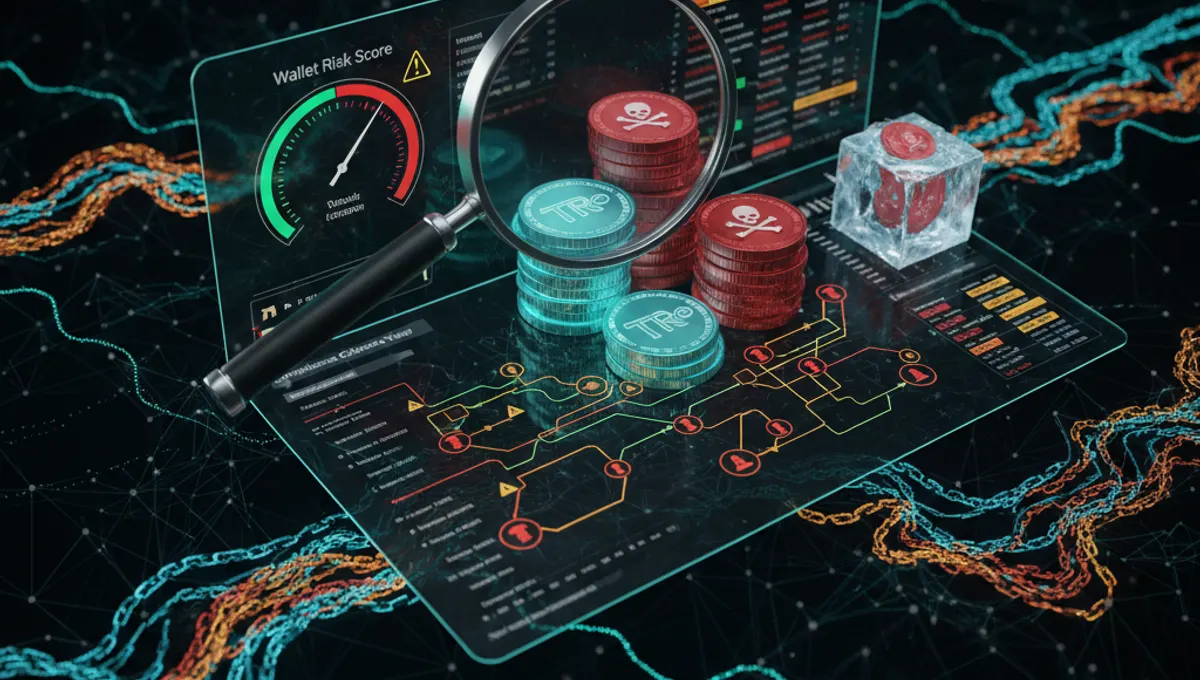
An AML check crypto screening examines several key factors. First, it traces the wallet's transaction history backward to identify the source of funds. Second, it flags exposure to known risk categories: mixers (tumblers that obscure transaction trails), darknet markets (illegal marketplaces), scams, stolen funds, and sanctioned entities. Third, it checks whether the wallet has interacted with gambling platforms or other high-risk services. Fourth, it analyzes transaction patterns—sudden large movements, rapid transfers between wallets, or suspicious timing can indicate illicit activity. Finally, it cross-references the address against public sanctions lists and law enforcement databases. The result is a risk score that ranges from clean (low risk) to dirty (high risk). This comprehensive screening helps you understand whether receiving coins from that address could trigger exchange freezes or compliance issues.
AML Check Process: Step-by-Step How It Works
The AML check process follows a structured workflow. First, you input a crypto wallet address (TRX, USDT, BTC, ETH, or other tokens). Second, the service queries its blockchain analytics database to retrieve the wallet's full transaction history. Third, it applies risk detection algorithms that scan for known illicit patterns and associations. Fourth, it cross-references the address against sanctions lists, darknet market databases, and theft reports. Fifth, it assigns a risk score based on the findings—typically ranging from very low to very high. Sixth, it generates a detailed report showing which risk factors were detected, when they occurred, and how they affect the wallet's status. You receive this report immediately, allowing you to make an informed decision about whether to accept funds from that address. Many services also provide transaction-level details so you can trace exactly where the coins came from.
AML Check Requirements: What You Need to Know
AML check requirements vary by jurisdiction and institution, but the core principle is consistent: financial entities must screen transactions and customers to prevent money laundering and sanctions violations. Exchanges typically require AML checks before processing large deposits or withdrawals. If you're receiving crypto from a business or high-value transaction, the sender may request proof that the coins are clean—an AML check report serves this purpose. For individuals, AML check requirements are less formal, but running a check before accepting large amounts protects you from regulatory exposure and exchange account freezes. Some jurisdictions impose stricter AML requirements than others; if you operate in a regulated market, compliance is mandatory. Even in less regulated regions, performing an AML check is a best practice to avoid receiving tainted coins that could later be flagged or frozen. The key requirement is due diligence: verify the source of funds before accepting them.
AML Check Fee: Cost and Service Options
AML check fees depend on the service provider and the scope of screening. Some services offer free basic AML checks with limited detail—typically showing a risk score and broad category flags. These free checks are useful for quick screening of a single address. Premium services charge per check, ranging from a few dollars to higher amounts for batch screening or detailed forensic analysis. Some platforms offer subscription models where you pay a monthly fee for unlimited checks. Enterprise solutions for exchanges and financial institutions cost significantly more due to custom integration and compliance support. When choosing an AML check service, compare not just the fee but also the accuracy of the risk assessment, the depth of the report, and the speed of results. Our curated list of verified AML services on this site includes both free and paid options—reviewing them helps you find the right balance between cost and reliability for your needs.
What Risk Score Levels Mean and When to Reject Coins
AML check risk scores typically fall into categories: very low (clean coins with no red flags), low (minimal risk), medium (some exposure but not necessarily illicit), high (significant risk indicators), and very high (likely dirty coins). A very low or low score means the wallet has a clean history and the coins are safe to accept. A medium score warrants caution—investigate further before accepting large amounts. A high or very high score indicates the coins are likely tainted, stolen, or linked to illicit activity; most exchanges will freeze these deposits, and accepting them could expose you to legal or compliance issues. Acceptable risk thresholds depend on your context: a personal user might accept low-risk coins, while a business should only accept very low-risk coins. If an AML check flags your own wallet as high-risk due to past mixer use or darknet exposure, you may face exchange account restrictions or frozen USDT. The safest approach is to reject any coins scoring medium or higher unless you have a specific reason to investigate further.
Frequently asked questions
How long does an AML check take to complete?
Most AML checks complete in seconds to a few minutes. Blockchain analytics services scan wallet addresses against their risk database in real time. Simple addresses return results instantly, while wallets with complex transaction histories or mixer exposure may take a few minutes. Batch screening of multiple addresses takes longer but is still relatively fast.
What is the typical AML check fee?
AML check fees vary widely. Free basic checks are available from some services but offer limited detail. Paid checks range from a few dollars per address to higher amounts for detailed forensic reports. Subscription models and enterprise solutions cost more. Compare providers on our verified AML services list to find the right pricing for your needs.
Can an AML check detect stolen crypto or darknet coins?
Yes. AML checks screen for stolen funds, darknet market exposure, mixer usage, and other illicit indicators. If a wallet has received coins from a theft or darknet market, the AML check will flag it as high-risk. This helps you avoid receiving tainted coins that could trigger exchange freezes or compliance issues.
What does a high-risk AML check score mean?
A high-risk score indicates the wallet has significant exposure to illicit activity—such as mixer usage, darknet links, theft, or sanctions. Most exchanges will freeze deposits from high-risk addresses. You should reject coins from high-risk wallets to avoid account restrictions and legal exposure.
Do I need an AML check before receiving crypto?
While not always mandatory for individuals, running an AML check before accepting large crypto amounts is a best practice. It protects you from receiving frozen or tainted coins. If you use an exchange, they may require AML screening on deposits. Checking wallets helps ensure compliance and avoids future account issues.