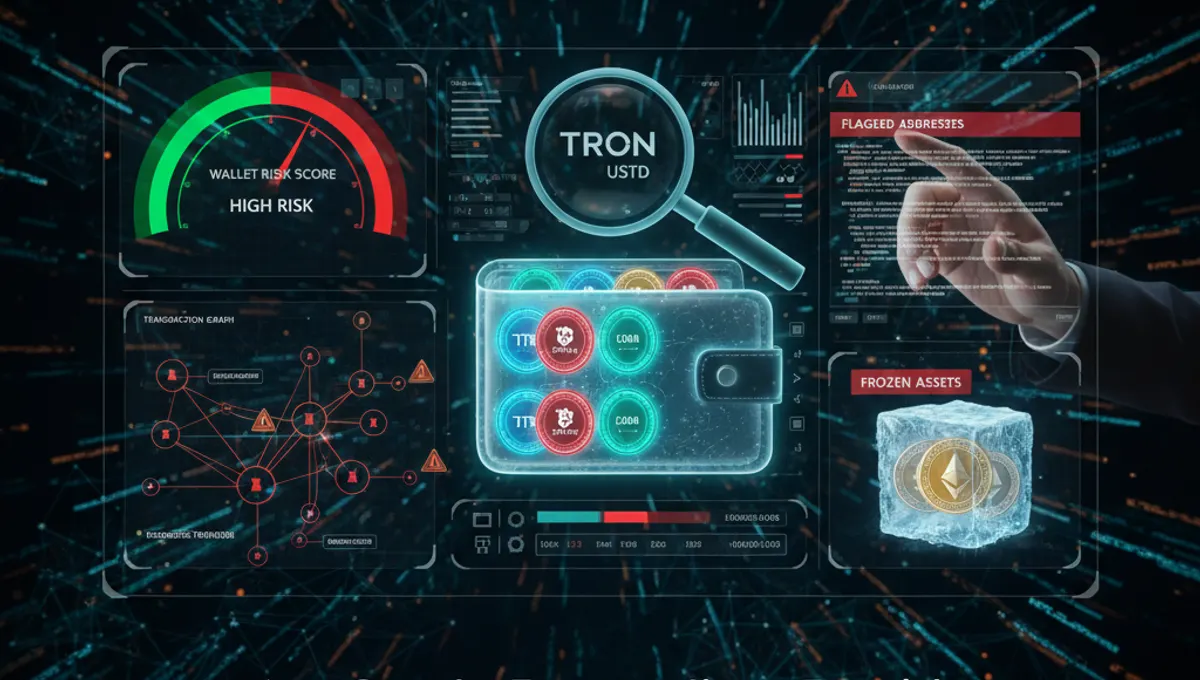
How Blockchain Records Make Transactions Traceable
Every cryptocurrency transaction creates an immutable record on the blockchain ledger. Unlike traditional banking, where transaction details are private, blockchain transactions are publicly visible—anyone can view sender address, recipient address, amount, timestamp, and transaction hash. This permanent record means that once a transaction is confirmed, it cannot be altered or hidden. Blockchain explorers allow anyone to search an address or transaction ID and see its complete history. This transparency is the foundation of traceability: funds cannot disappear; they only move from one address to another, leaving a trail. The challenge for bad actors is that while addresses are pseudonymous, advanced analytics can link addresses together and connect them to real-world identities through exchange deposits, KYC records, and behavioral patterns.
What Is Crypto Market Transactions Monitoring
Crypto market transactions monitoring is the process of analyzing blockchain activity in real time to detect suspicious patterns and flag high-risk transfers. Compliance teams, exchanges, and financial institutions use monitoring systems to watch for transactions involving known bad actors, stolen funds, sanctioned entities, and darknet markets. These systems track transaction flows, identify mixing activity, and score addresses based on their history and associations. Monitoring tools ingest blockchain data, cross-reference addresses against sanctions lists and known scam databases, and alert users when a deposit or withdrawal involves a flagged wallet. This continuous surveillance helps prevent money laundering, terrorist financing, and fraud. For individuals and businesses, monitoring means that receiving coins from a compromised source can trigger compliance holds or account freezes at exchanges.
Can Crypto Transactions Be Traced to Real Identities
Crypto transactions themselves are traceable on the blockchain, but linking an address to a real person requires additional steps. Blockchain analytics firms use multiple techniques: they monitor exchange deposit and withdrawal addresses (which are linked to KYC data), analyze transaction patterns and timing, track coins through mixers and tumblers, and correlate on-chain behavior with public information. Law enforcement and compliance teams have successfully traced stolen funds, ransomware payments, and fraud proceeds to specific individuals. However, a single address in isolation is pseudonymous—you cannot identify the owner just from the address alone. The traceability comes from combining blockchain data with external intelligence: if an address receives coins from an exchange where the user completed KYC, or if it interacts with known services, the link becomes clearer. This is why AML screening checks an address's transaction history and associations, not just its balance.
Risk Flags and Transaction Monitoring Red Flags
Blockchain analytics systems flag transactions based on specific risk indicators. Common red flags include: transactions involving known mixers or tumblers (services designed to obscure coin origin), deposits from darknet marketplace addresses, transfers to or from sanctioned entity wallets, movement of stolen or ransom funds, high-velocity transactions suggesting layering, and coins with a history of scam or fraud involvement. Each flag contributes to a risk score. For example, receiving USDT that previously passed through a mixer may trigger a medium-risk flag; receiving coins directly from a darknet market address triggers a high-risk flag. Exchanges and custodians use these flags to decide whether to accept, hold, or reject a deposit. Individual users benefit from checking an address before receiving coins—if the sender's wallet has high-risk associations, you may want to decline or investigate further. Risk scoring helps distinguish between innocent activity and genuine compliance concerns.
How to Check if Crypto Transactions Are Traceable to Your Address
To determine if your address or an incoming transaction is traceable and flagged, follow these steps:
- Identify the wallet address or transaction hash you want to check.
- Use a blockchain explorer (like Tronscan for TRX, or Etherscan for ETH) to view the transaction history and linked addresses.
- Check the address against known risk sources: does it interact with mixers, darknet markets, or sanctioned entities.
- Use an AML screening service to run a comprehensive risk assessment—these services cross-reference the address against compliance databases and provide a risk score.
- Review the risk score and transaction flags: low risk means the address is clean; medium risk suggests some caution; high risk indicates serious compliance concerns. Before receiving a large USDT or TRX deposit, especially in a business context, running an AML check through a trusted service is the safest approach. Our curated list of verified AML services on this site provides reliable options for wallet screening.
What Happens When Traceable Coins Are Flagged as Dirty
When coins are identified as tainted—meaning they have a history of involvement with theft, fraud, ransomware, or sanctions violations—exchanges and custodians may freeze the funds or block the account. This happens because financial institutions face regulatory pressure to prevent money laundering and comply with sanctions. If you receive flagged coins, the exchange holding them may: place a temporary hold pending investigation, require additional documentation, or permanently freeze the account if the risk is deemed unacceptable. In some cases, the coins themselves are considered "dirty" and cannot be easily converted or withdrawn. This is why checking an address before receiving coins matters: if you accept a large transfer of USDT or TRX from a high-risk source, you risk having those funds locked. The traceability of blockchain transactions means that compliance systems catch these transfers quickly. If your coins are flagged, contact the exchange's compliance team, provide documentation of the legitimate source, and request a review—but resolution is not guaranteed.
Best Practices to Avoid Receiving Traceable Tainted Coins
Protect yourself by screening addresses before accepting large transfers. Ask the sender for their wallet address and run an AML check on it beforehand—if the address has high-risk flags, decline the transaction or request an alternative payment method. When receiving USDT or TRX, especially in business transactions, verify the sender's identity and confirm the address matches their stated wallet. Use exchanges and custodians that perform automatic screening on deposits; they provide an extra layer of protection. If you operate a business accepting crypto, implement your own transaction monitoring: check incoming addresses, maintain records, and document your compliance efforts. Avoid accepting coins from unknown sources or addresses with obvious red flags like recent mixer activity. The goal is not to be paranoid—most transactions are clean—but to be intentional. By using AML screening services from our verified list before accepting coins, you can confidently distinguish between clean and dirty crypto and avoid frozen deposits.
Frequently asked questions
Can police trace crypto transactions
Yes. Law enforcement agencies work with blockchain analytics firms to trace crypto transactions. Because all transactions are recorded on the public blockchain, investigators can follow the movement of funds across addresses. When coins are deposited to an exchange with KYC requirements, the link to a real identity becomes possible. Tracing stolen funds, ransomware payments, and fraud proceeds has become routine for law enforcement.
How do exchanges detect traceable dirty crypto
Exchanges use AML screening and transaction monitoring systems that check incoming deposits against compliance databases. These systems flag addresses linked to mixers, darknet markets, stolen funds, and sanctioned entities. When a deposit is flagged as high-risk, the exchange may freeze the account pending investigation or reject the transaction entirely. The traceability of blockchain transactions makes detection automatic and fast.
What does it mean if my USDT address is flagged as high risk
A high-risk flag means your address or recent transactions have associations with known bad actors, mixers, or compliance violations. This could result in exchange account freezes, deposit holds, or withdrawal blocks. To resolve it, contact the exchange's compliance team with documentation proving the legitimate source of your funds. However, if the coins are genuinely tainted, resolution may not be possible.
Can I hide crypto transactions on the blockchain
No. All transactions on public blockchains like Tron, Ethereum, and Bitcoin are permanently recorded and visible. Mixers and tumblers can obscure the direct link between sender and recipient, but advanced analytics can often trace coins through mixing services. Privacy coins like Monero offer stronger anonymity, but most major exchanges do not support them due to compliance concerns.
How accurate is AML screening for detecting traceable risk
AML screening is highly accurate for identifying addresses with known risk associations. Services cross-reference blockchain data against sanctions lists, theft databases, and darknet market records. However, no system is perfect—false positives can occur, and new scams emerge constantly. Using AML screening from trusted services provides strong protection, but it should be part of a broader due diligence process.