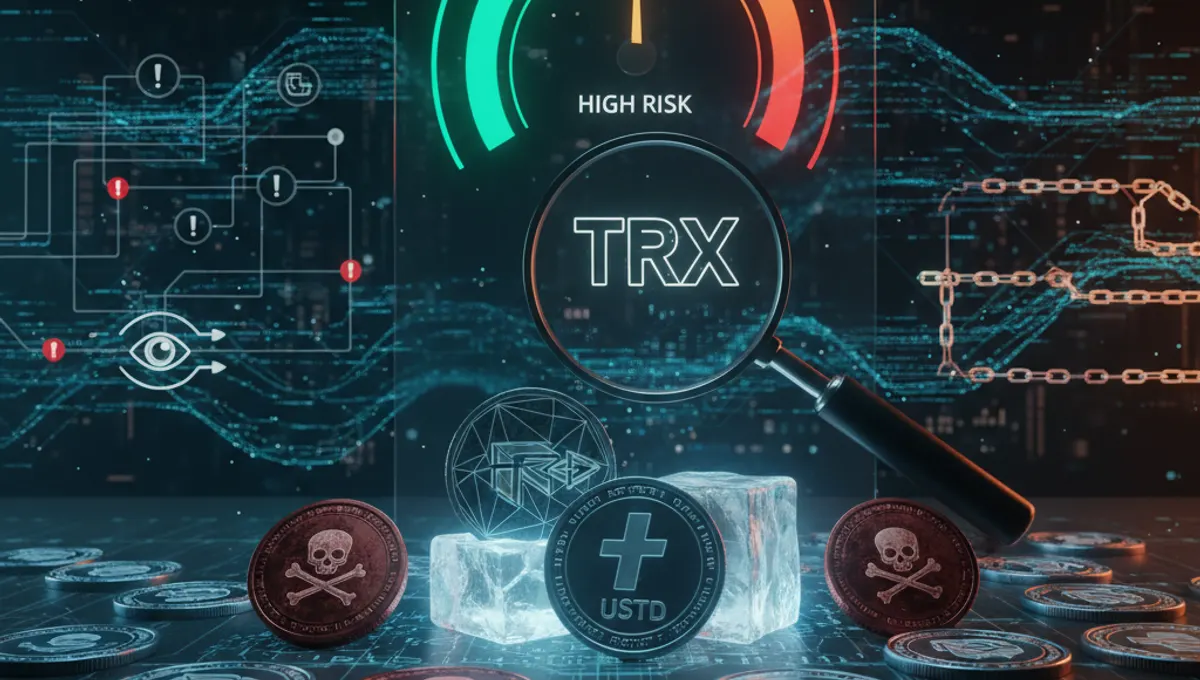
How Can Crypto Wallets Be Hacked?
Crypto wallets face several attack vectors. Private key theft through phishing emails, malware, or social engineering is the most direct method—once an attacker has your private key, they control your funds permanently. Exchange hacks compromise wallets held on centralized platforms, exposing thousands of user accounts at once. Hot wallets (internet-connected) are more vulnerable than cold wallets (offline storage). Weak passwords and reused seed phrases across multiple services increase risk. Hardware wallet users face fewer hacking risks but remain vulnerable to physical theft or supply-chain compromise. Mobile wallet apps can be spoofed or infected with keyloggers. Even if your wallet itself isn't hacked, receiving stolen or sanctioned crypto creates compliance risk—exchanges may freeze your account or block withdrawals if transaction monitoring detects tainted funds.
What Are the Main Wallet Vulnerability Types?
Phishing remains the leading cause of wallet compromise. Attackers send fake wallet login pages or recovery prompts that capture credentials. Malware installed on your device can monitor keystrokes or clipboard activity, stealing seed phrases as you type them. Smart contract exploits drain funds from DeFi wallets if the underlying protocol has bugs. Rug pulls and scam tokens trick users into approving malicious smart contracts that transfer their holdings. Mixer usage and darknet exposure create AML red flags—if you receive crypto that has passed through tumblers or been linked to illegal markets, compliance systems flag it as high-risk. Stolen funds and ransomware payments are also tracked by blockchain analytics, meaning receiving them can trigger frozen USDT or account restrictions even if you didn't know the source was illicit.
Can Crypto Transactions Be Traced and Recovered?
Yes, crypto transactions can be traced on the blockchain. Every transaction is recorded on a permanent, public ledger with sender and receiver addresses visible. Blockchain analytics firms map wallet clusters and identify patterns linked to known theft, sanctions violations, and darknet markets. If stolen crypto is recovered, law enforcement or the victim may trace it through exchange deposits. However, recovery is difficult once funds move through mixers or cross multiple wallets. Can stolen crypto be recovered? Recovery depends on whether the thief deposited funds on a regulated exchange—if so, law enforcement can work with the exchange to freeze the account. If the attacker moved funds to a mixer or privacy coin, recovery becomes nearly impossible. This is why checking incoming transactions for risk flags before accepting them is critical. Using KYT (Know Your Transaction) screening tools helps you avoid receiving flagged funds that could later cause your own account to be frozen.
How to Check if Incoming Crypto Is Clean Before Accepting It
Before receiving USDT, TRX, BTC, or ETH, verify the sender's address for AML risk flags. Steps:
- Obtain the sender's wallet address.
- Use a trusted AML screening service to scan the address for risk indicators.
- Review the risk score—addresses linked to mixers, darknet markets, scams, or sanctions lists will show elevated flags.
- Check transaction history for suspicious patterns like rapid fund movement or connections to known theft incidents.
- If risk is high, request clarification from the sender or decline the transfer. Services on our curated AML Services list provide wallet screening with detailed risk breakdowns, including exposure to stolen funds, gambling, and ransomware. A clean address typically shows low risk, clear transaction history, and no darknet or sanctions exposure. Even if a wallet appears legitimate, receiving tainted crypto can result in your exchange account being frozen or deposits being blocked—AML screening is your first line of defense.
What Do AML Risk Scores Mean and What Levels Are Acceptable?
AML risk scores range from low (clean) to high (flagged). Low-risk addresses show normal transaction patterns, no mixer exposure, and no links to illegal activity. Medium-risk addresses may have received funds from multiple sources or show some unusual activity but no direct sanctions or darknet connection. High-risk addresses are linked to known theft, ransomware, darknet markets, mixers, or sanctioned entities. Acceptable thresholds depend on your compliance requirements: retail users typically accept low to low-medium risk; businesses and exchanges require strict low-risk standards. A risk score alone doesn't prove guilt—context matters. An address that received one payment from a mixer may be lower-risk than one with repeated darknet connections. The key is understanding what flags triggered the score. Our AML Services directory lists verified screening tools that break down risk by category: sanctions exposure, theft history, mixer usage, gambling, and more. This granularity helps you make informed decisions about whether to accept a transaction.
What Happens If You Receive Flagged or Tainted Crypto?
Receiving tainted crypto—funds linked to theft, ransomware, or sanctions violations—can trigger compliance problems even if you didn't know the source was illicit. Exchanges run transaction monitoring and may freeze your USDT, block withdrawals, or close your account if they detect high-risk deposits. You won't necessarily lose the funds, but accessing them becomes difficult and may require legal proof of legitimate ownership. Stolen funds flagged by blockchain analytics are the most common issue. If you deposit stolen crypto on an exchange, the exchange's AML system will likely flag it during deposit screening. Ransomware payments and sanctioned entity transfers carry similar risks. Mixer exposure—receiving crypto that has passed through a tumbler—is also flagged, though the risk level depends on the mixing service and transaction volume. To avoid this: screen addresses before accepting transfers, use AML screening tools from our verified services list, and maintain clear records of transaction sources. If your account is frozen, contact the exchange's compliance team with documentation proving the funds' legitimacy.
Best Practices to Protect Your Wallet and Avoid Tainted Crypto
Security and compliance go hand in hand. Use a hardware wallet for large holdings—it keeps private keys offline and is nearly immune to remote hacking. Enable two-factor authentication on all exchange accounts. Never share your seed phrase or private key. Verify sender addresses before accepting large transfers, especially from unfamiliar sources. Screen incoming crypto using AML tools to check for risk flags before deposits hit your exchange account. Avoid mixing services and privacy coins if you plan to deposit on regulated exchanges—they trigger compliance flags. Keep transaction records and know your sources; if asked by an exchange, you should be able to explain where funds came from. Use only reputable wallets and exchanges; research security audits and incident history. Monitor your accounts for unauthorized access. If you suspect a breach, move funds to a new wallet immediately. For businesses and high-volume traders, implement ongoing transaction monitoring and use KYT services to screen both incoming and outgoing transfers. The services listed on our AML Services page offer wallet screening, transaction monitoring, and risk reporting—starting there is the safest approach to compliance.
Frequently asked questions
Can someone hack my crypto wallet if they know my address?
No. A public wallet address alone cannot be used to hack your wallet. Hackers need your private key or seed phrase. However, knowing your address lets them monitor your balance and transaction history. Keep your private key and seed phrase secret—never share them, even with support staff. If someone claims to need them, it's a scam.
How do I know if crypto I received is stolen or tainted?
Use AML screening tools to scan the sender's address for risk flags. High-risk indicators include links to theft, ransomware, darknet markets, mixers, and sanctions lists. Services on our AML Services page provide detailed risk breakdowns. If an address shows high risk, contact the sender for clarification or decline the transfer to avoid compliance problems.
Can stolen crypto be traced and recovered?
Yes, stolen crypto can be traced on the blockchain. Law enforcement and blockchain analysts track theft through wallet clusters and exchange deposits. Recovery is possible if the thief deposits on a regulated exchange—the exchange can freeze the account. However, if funds move through mixers or privacy coins, recovery becomes very difficult. This is why AML screening before accepting transfers is critical.
What is KYT and why does it matter for crypto wallets?
KYT (Know Your Transaction) is screening that checks incoming and outgoing crypto transfers for risk flags like theft, sanctions, and darknet exposure. It matters because receiving flagged funds can result in your exchange account being frozen or blocked, even if you didn't know the source was illicit. KYT helps you avoid compliance problems before they happen.
Will my exchange account be frozen if I receive tainted USDT?
Possibly. Exchanges run transaction monitoring and may freeze accounts that receive high-risk deposits, including stolen funds, ransomware payments, and mixer-exposed crypto. You won't lose the funds, but accessing them becomes difficult. To avoid this, screen addresses before accepting transfers using AML tools from verified services.