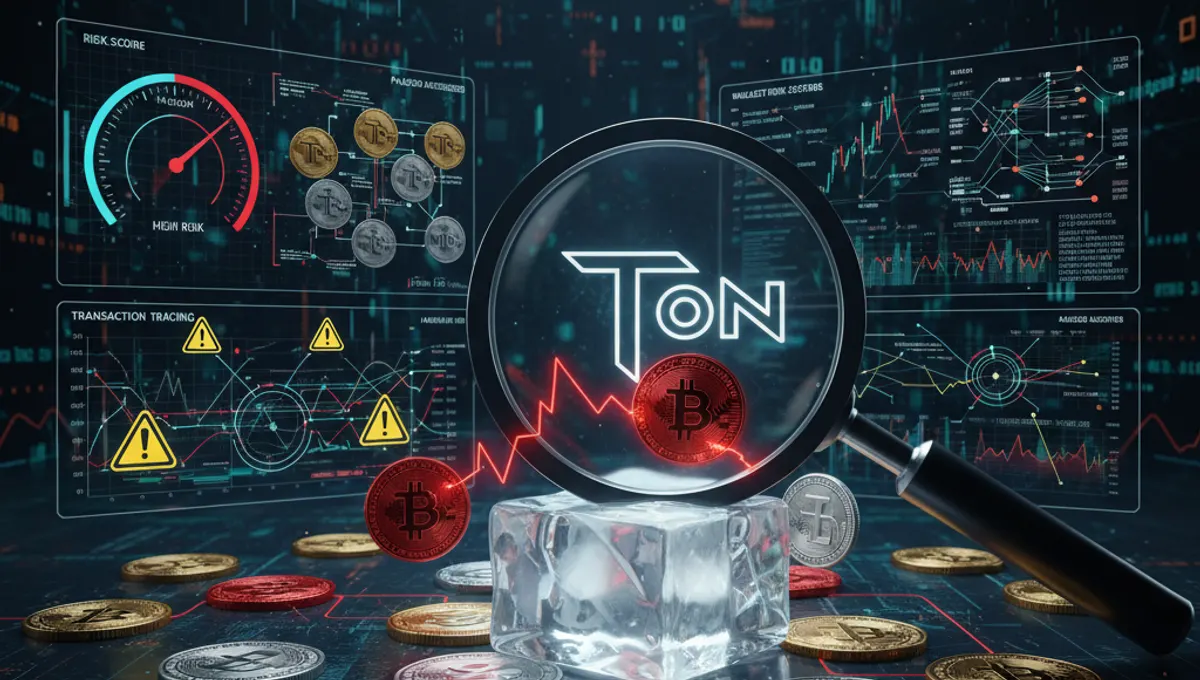
What Defines a Crypto Bubble and Why It Matters
A crypto bubble occurs when asset prices rise sharply on speculation rather than underlying utility, then collapse when sentiment shifts. Unlike traditional markets, crypto bubbles can inflate and deflate in weeks. Price cycles are normal, but they create urgency that leads people to accept transfers without checking their origin. When prices spike, scammers and stolen-fund launderers move quickly. The real danger is not the price drop—it's receiving compromised coins during the frenzy. A wallet can appear legitimate but hold tainted USDT or TRX linked to mixers, darknet markets, or sanctions lists. Checking whether your crypto wallet is legit means verifying both the address history and the source of incoming funds, not just watching price charts.
How AML Screening Protects You During Market Volatility
AML (Anti-Money Laundering) crypto screening detects whether an address or transaction has exposure to high-risk activity. When markets are volatile, exchanges tighten compliance and freeze accounts holding flagged coins. KYT (Know Your Transaction) tools scan the blockchain for links to stolen funds, ransomware, gambling platforms, and sanctioned entities. A safe crypto wallet is one that has been screened for these risks before you receive funds into it. What is AML crypto in practical terms: it's a compliance check that flags addresses with suspicious transaction history. If you receive USDT or TRX from an address flagged by AML systems, your exchange may freeze your account even if you did nothing wrong. The safest crypto wallet is one where you verify incoming transfers before depositing them to an exchange.
Understanding Risk Scores and Transaction Flags
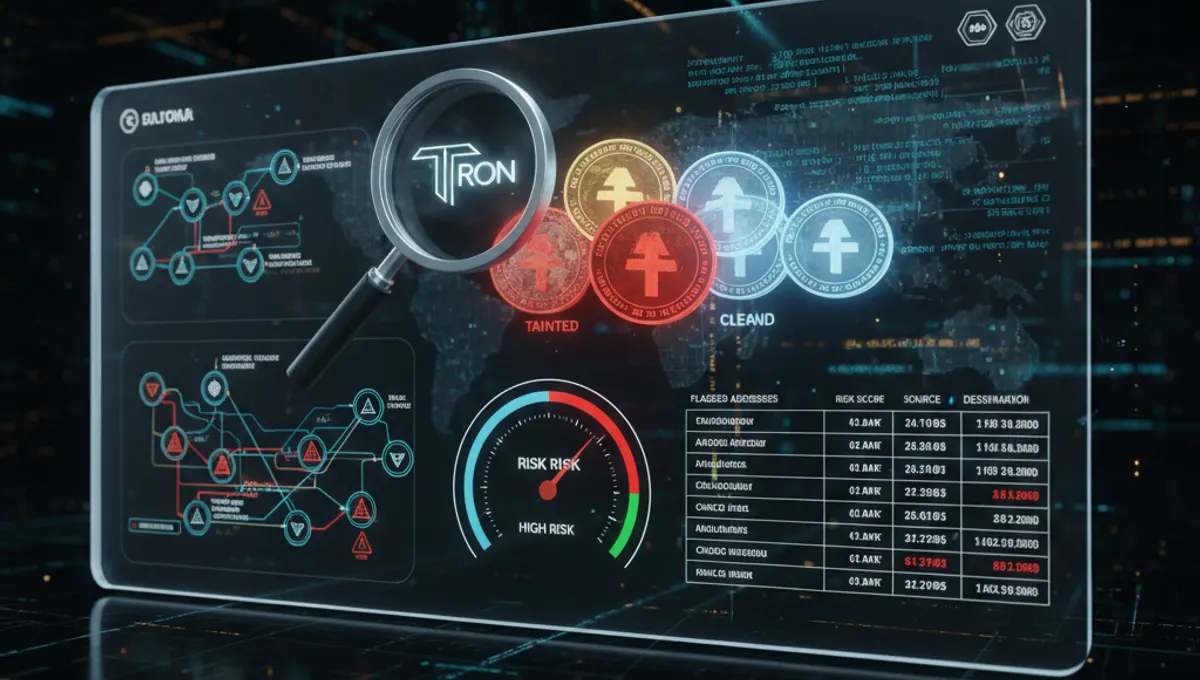
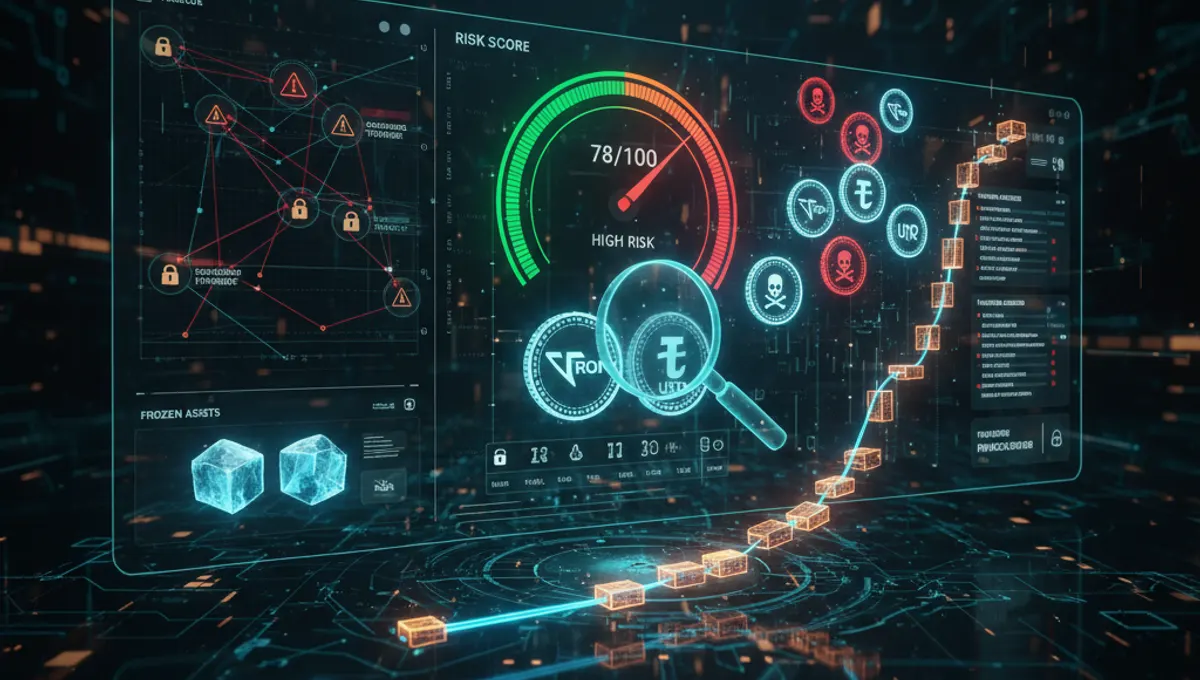
AML services assign risk scores to addresses based on transaction patterns and historical exposure. A low risk score means the address has clean transaction history with no links to known bad actors. A high risk score indicates exposure to mixers, darknet markets, scams, or stolen funds. Risk flags include: transactions to known mixer services, rapid fund movement suggesting money laundering, links to sanctioned entities, and connections to gambling or ransomware wallets. What is a safe crypto wallet risk score: generally below 25% is considered acceptable for most exchanges. Scores between 25–50% may trigger review, and above 50% often results in frozen USDT or blocked deposits. Understanding these thresholds helps you decide whether to accept a transfer or request funds from a different source.
How to Check if a Crypto Wallet Address Is Legitimate
Before receiving or sending crypto, verify the wallet address using an AML screening tool. Step-by-step process:
- Copy the wallet address you are about to transact with.
- Enter it into a KYT crypto screening service.
- Review the risk score and transaction history.
- Check for flags related to mixers, darknet, or sanctions.
- If risk is low, proceed; if high, request an alternative address.
- For large transfers, screen both the sending and receiving addresses. Is crypto wallet legit checks are not about the wallet software itself—they are about the address history on the blockchain. A legitimate address shows normal transaction patterns, no sudden large movements, and no links to known criminal activity. The safest approach is to screen every address before accepting significant transfers, especially during market rallies when scammers are most active.
What Happens When You Receive Tainted Coins
Receiving USDT or TRX flagged as dirty can result in frozen accounts, blocked withdrawals, and compliance holds. Exchanges run continuous AML monitoring and flag accounts holding coins linked to theft, ransomware, or sanctions. When your account is frozen, you cannot withdraw, trade, or move funds until the exchange completes a review. This can take weeks or months. In some cases, exchanges permanently close accounts holding flagged coins. The risk is not theoretical: exchanges have frozen millions in user funds due to tainted coin deposits. To avoid this, screen incoming transfers before depositing them to an exchange. If you already hold flagged coins, contact the exchange's compliance team immediately and provide documentation of the transfer source. Proactive disclosure is better than account suspension.
Comparing AML Screening Services and Risk Assessment Tools
Multiple services offer AML crypto checks, each with different coverage and pricing. Some provide free basic screening with limited transaction history; others charge per check or offer subscription plans. Key features to compare: blockchain coverage (Bitcoin, Ethereum, Tron, etc.), depth of transaction history, real-time risk scoring, and integration with exchanges. When choosing a service, verify it covers the blockchains you use most. For Tron addresses and USDT-TRC20, ensure the tool has full Tron network coverage. For Bitcoin and Ethereum, check if the service tracks mixer exposure and sanctioned entity links. The most reliable approach is to use verified AML services from our curated list of trusted providers on this site—these have been tested for accuracy and compliance coverage. Start with a trusted service before making any large transfer.
Practical Steps to Avoid Receiving Frozen or Blocked Deposits
Protect yourself with these concrete practices:
- Screen every address before accepting transfers over a certain amount (set your own threshold).
- Request invoices or payment details from known contacts only.
- Use exchange deposit addresses rather than personal wallets when possible, since exchanges run their own AML checks.
- If receiving from a new contact, ask for the sending address in advance and screen it.
- Keep records of all transfers and their sources for compliance review if needed.
- If you suspect an incoming transfer is compromised, reject it or request an alternative.
- For large amounts, use a service that provides detailed transaction reports you can share with your exchange if questioned. These steps take minutes but can prevent account freezes worth thousands. The cost of screening is negligible compared to the risk of frozen USDT or blocked deposits.
Frequently asked questions
Is crypto wallet legit if it has no transaction history?
A new address with no history is not inherently risky, but it cannot be verified through AML screening. If you are receiving funds into a new wallet, screen the sending address instead. Once the transfer completes, the receiving address will have history. For exchanges, use their provided deposit addresses, which they monitor continuously.
What is AML crypto screening and how does it work?
AML crypto screening analyzes blockchain transactions to detect links to theft, sanctions, mixers, and darknet activity. Tools scan an address's transaction history and assign a risk score. High-risk addresses are flagged, and exchanges may freeze accounts holding coins from these addresses. Screening takes seconds and protects you from receiving compromised funds.
What is the safest crypto wallet for receiving USDT?
The safest approach is to receive USDT into an exchange deposit address you control, then screen the sending address before confirming the transfer. If using a personal wallet, screen both addresses and verify the sender's identity. Avoid receiving from unknown addresses, especially during market rallies when scam activity peaks.
What does KYT crypto mean and why does it matter?
KYT (Know Your Transaction) is real-time blockchain monitoring that flags high-risk transactions. It detects mixer usage, ransomware payments, and sanctioned entity links. Exchanges use KYT to prevent account freezes. Understanding KYT helps you avoid receiving flagged coins and protects your account from compliance holds.
Can a crypto bubble cause my wallet to be frozen?
Price crashes do not directly freeze wallets, but the chaos surrounding bubbles increases scam activity and stolen fund circulation. If you receive tainted coins during a crash, your account can be frozen regardless of price movement. Screen addresses before accepting transfers, especially during volatile periods when bad actors are most active.