What Is AML Crypto and Why Red Flags Matter
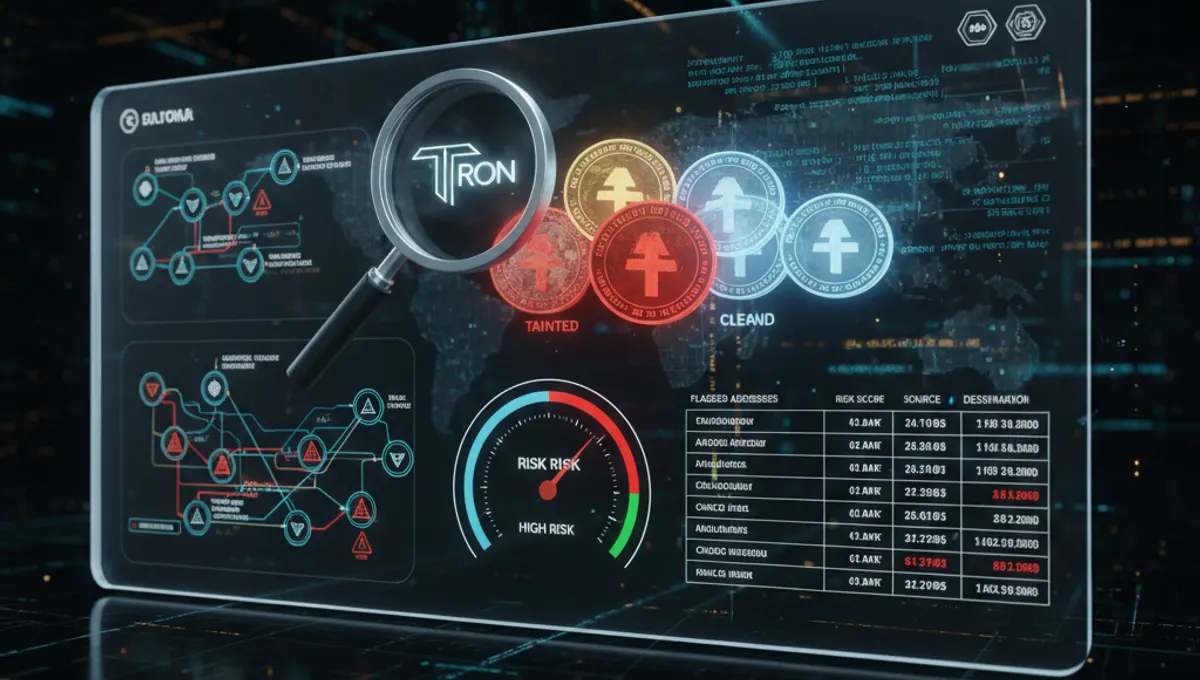
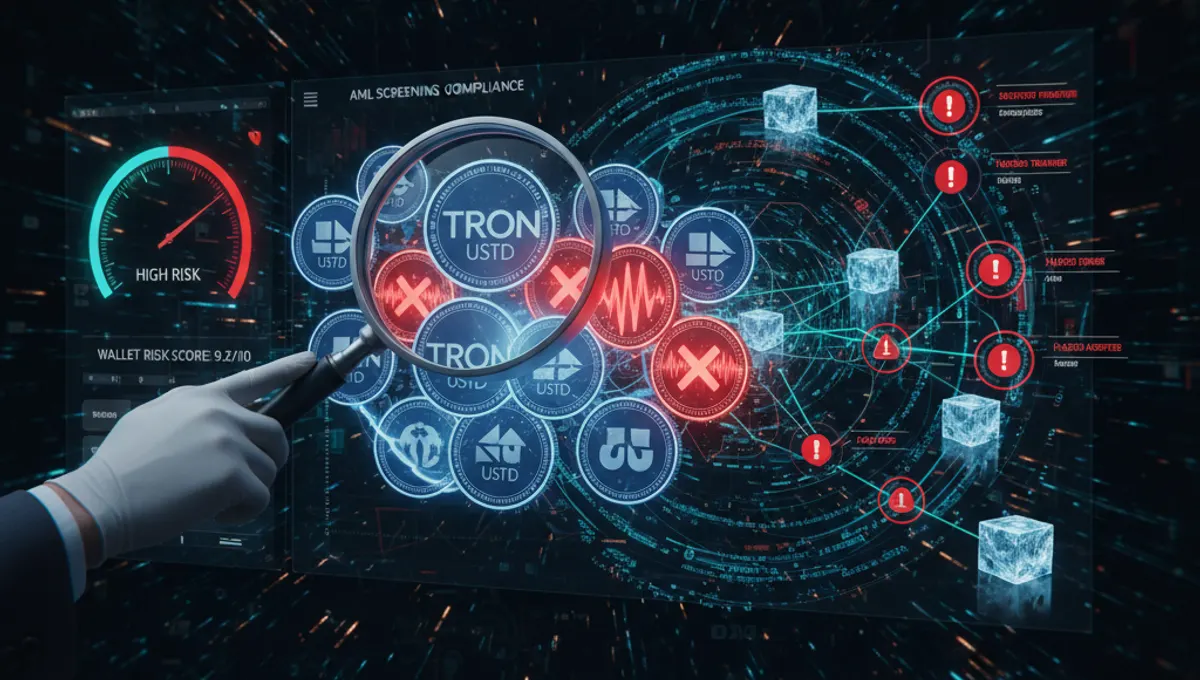
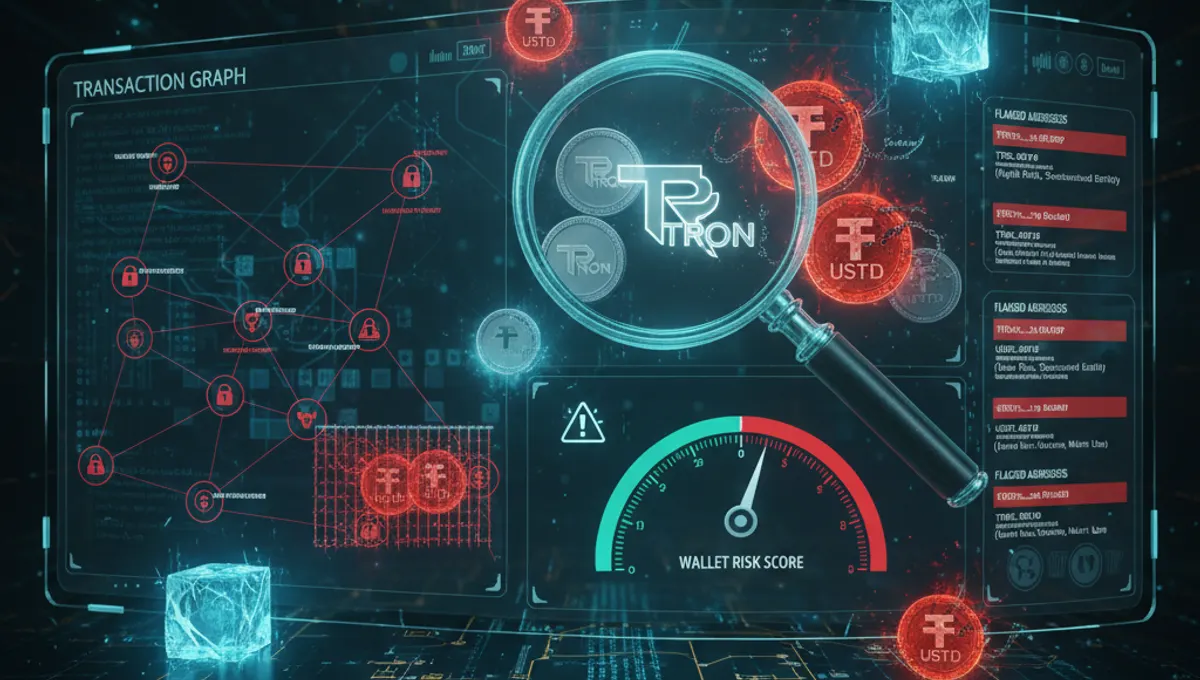
AML stands for Anti-Money Laundering. In crypto, AML screening examines blockchain transactions to detect illicit activity. Red flags are warning signs embedded in transaction history—they indicate that coins or addresses may be connected to crime, sanctions, or regulatory violations. When you receive USDT or TRX from an address with red flags, your own wallet can inherit that risk. Exchanges monitor incoming deposits and may freeze your account or funds if they detect flagged coins. This is why checking a Tron address or any crypto wallet before accepting payment is essential. AML tools scan the blockchain and compare addresses against known darknet markets, mixer services, theft reports, and sanctions lists. A single red flag doesn't always mean an address is unusable, but multiple flags or high-risk connections warrant caution.
Common Red Flags in Cryptocurrency Transactions
Red flags in crypto fall into several categories. Mixer involvement is a major one—funds sent through mixing services are flagged because mixers obscure transaction origins. Darknet market connections flag addresses that have received or sent funds to known illegal marketplaces. Stolen funds red flags appear when coins are traced back to exchange hacks, wallet thefts, or ransomware payments. Sanctioned entity exposure means the address has transacted with individuals or organizations on government sanctions lists. Gambling and scam connections flag addresses linked to Ponzi schemes, rug pulls, or unregulated gambling platforms. Unusual transaction patterns—like sudden large transfers, rapid movement between exchanges, or circular transactions—can also trigger flags. Each flag carries different weight; mixer use is common and lower-risk, while darknet or sanctions exposure is severe. A safe crypto wallet avoids addresses with multiple or high-severity flags.
How AML Risk Scoring Works
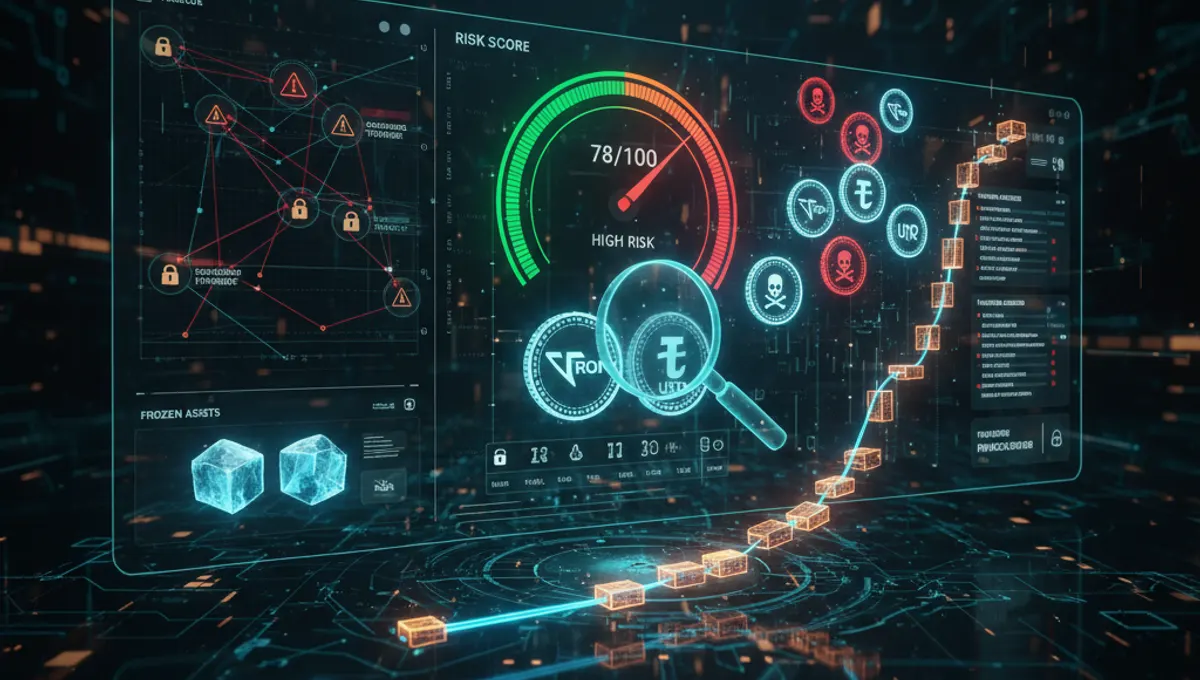
AML screening tools assign a risk score to each address, typically on a scale from 0 to 100 or low/medium/high/critical. The score reflects the number and severity of red flags detected. A score of 0–20 usually means the address is clean with no known illicit connections. Scores of 21–50 indicate low to medium risk—perhaps a single minor flag or old historical activity. Scores of 51–80 signal higher risk, often involving mixer use, multiple small flags, or connections to suspicious entities. Scores above 80 or marked critical mean severe red flags like darknet exposure, sanctions violations, or stolen funds. The safest crypto wallet has a risk score below 20. When checking a Tron address or any blockchain address, the risk score is your primary indicator. Most exchanges accept deposits with scores below 50, but policies vary. Some exchanges require scores below 20 for large transactions. Understanding your risk score threshold helps you make informed decisions before transacting.
How to Check a Wallet Before Receiving USDT or TRX
Before accepting crypto, follow these steps to screen the sending address. First, copy the wallet address you're receiving from. Second, visit a trusted AML screening service—our curated list of verified AML services on this site includes tools that scan Tron addresses, USDT wallets, Bitcoin, and Ethereum addresses. Third, paste the address into the checker and run the scan. The tool will return a risk score and list any red flags detected. Fourth, review the flags: check whether they involve mixers, darknet connections, stolen funds, or sanctions. Fifth, decide based on your risk tolerance and exchange policies. If the score is below 20, the address is generally safe. If it's 21–50, proceed with caution and verify the sender's identity. If it's above 50, consider declining the transaction unless you have strong reason to trust the sender. This screening takes seconds and protects you from inheriting tainted coins that could freeze your deposits or trigger account restrictions.
What Happens When Your Coins Are Flagged as Dirty
If you receive coins with red flags, your wallet and account face several risks. First, exchanges may flag your deposit during KYC or KYT (Know Your Transaction) screening. Second, your account may be frozen pending investigation—exchanges do this to comply with sanctions and AML regulations. Third, your funds may be locked indefinitely if the coins are linked to serious crimes like theft or sanctions violations. Fourth, you may be asked to provide proof of the transaction's legitimacy, and if you cannot, the exchange may close your account. Fifth, the tainted coins may be permanently seized. To avoid this, always check the sending address before accepting payment. If you've already received flagged coins, contact the exchange immediately and explain the situation. Provide documentation showing the transaction was legitimate. Some exchanges will release frozen funds after investigation; others will not. Prevention is far more effective than remediation. Use AML screening services before each transaction to ensure you're receiving clean crypto.
Red Flags vs. Acceptable Risk: What Score Threshold Should You Use
Determining an acceptable risk score depends on your use case and exchange policies. For personal use and small transactions, a score below 30 is generally safe. For business transactions or large amounts, aim for scores below 20. Most major exchanges accept deposits with scores below 50, but some enforce stricter thresholds of 20 or even 10. Check your exchange's AML policy before transacting. Certain red flags are more forgivable than others. Old mixer use (transactions from years ago) is lower-risk than recent darknet connections. A single flag is usually acceptable; multiple flags compound risk. Sanctioned entity exposure and stolen funds are almost never acceptable—avoid these entirely. When in doubt, ask the sender to provide the transaction source or use an alternative address. The safest approach is to treat any score above 50 as a warning and investigate further. Remember that risk scores are probabilistic, not definitive; they guide your decision but don't eliminate all risk. Always combine score review with your own judgment about the sender.
Using AML Services to Avoid Tainted Coins
The most reliable way to avoid tainted coins is to screen every address before transacting. Our verified AML services page lists trusted tools that specialize in crypto wallet screening. These services maintain updated databases of known illicit addresses, sanctions lists, and theft reports. They scan Tron addresses, USDT wallets, Bitcoin, and Ethereum addresses in real time. When you use an AML service, you get a detailed report showing risk score, specific red flags, and transaction history context. Some services offer free basic checks with limited detail; others charge per scan but provide comprehensive analysis. For frequent traders or businesses, subscription plans offer unlimited checks at lower cost. The best practice is to integrate AML screening into your workflow: check every address before accepting payment, keep records of your checks, and escalate any medium or high-risk transactions to compliance review. Using verified AML services is the industry standard and protects both you and your exchange from regulatory scrutiny. Start with the trusted services listed on this site to ensure you're using tools with proven accuracy and compliance credibility.
Frequently asked questions
What does red flag mean in AML for crypto
A red flag in AML is a transaction pattern or wallet connection that signals potential money laundering or criminal activity. In crypto, red flags include mixer use, darknet market links, stolen funds, and sanctions violations. They appear in blockchain screening reports and contribute to a wallet's risk score. Red flags help identify tainted coins before you receive them.
Can I receive crypto from an address with red flags
You can, but it carries risk. If the address has low-risk flags (old mixer use, minor connections), it may be acceptable depending on your exchange's policy. High-risk flags (darknet, sanctions, stolen funds) should be avoided entirely. Receiving flagged coins can cause your exchange to freeze your account during AML screening. Always check the risk score first.
What is the safest risk score for receiving USDT or TRX
A risk score below 20 is considered clean and safe for any transaction. Scores of 21–50 are acceptable for personal use but may trigger exchange review. Scores above 50 warrant caution and investigation. Most exchanges accept deposits below 50, but stricter policies require scores below 20. Always verify your exchange's AML threshold before transacting.
How do I check if a Tron address has red flags
Use a trusted AML screening service to scan the Tron address. Paste the address into the checker, run the scan, and review the risk score and flagged indicators. The report will show any mixer use, darknet connections, stolen funds, or sanctions exposure. This process takes seconds and protects you from receiving tainted coins. Check our verified AML services for reliable tools.
What happens if I receive frozen USDT from a flagged address
Your exchange may freeze your account during KYT screening if you deposit flagged USDT. You'll be asked to explain the transaction source. If the coins are linked to serious crimes, they may be permanently seized. To avoid this, always screen the sending address before accepting payment. Prevention is far more effective than trying to recover frozen funds.