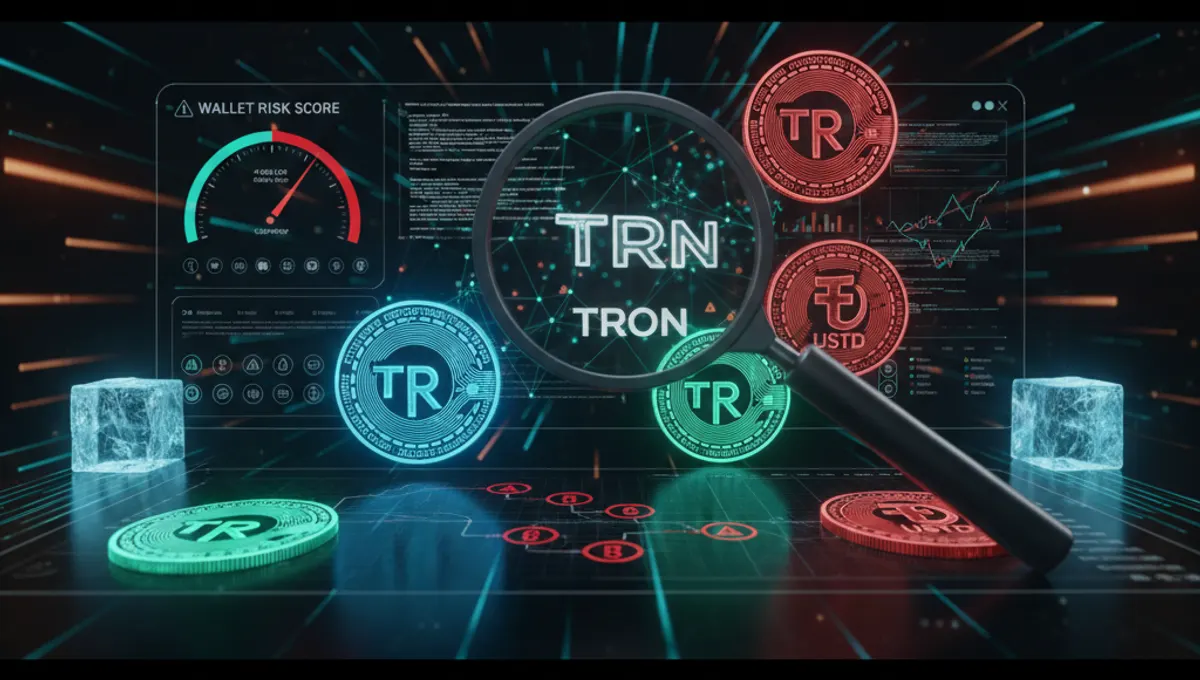
What Are IG Crypto Fees and How Do They Work
IG crypto fees encompass several distinct charges. Trading fees apply when you buy or sell cryptocurrency on the IG platform, typically calculated as a percentage of the transaction value. Withdrawal fees cover the cost of moving your crypto off the platform to an external wallet, and these vary by asset and network congestion. Deposit fees may apply when funding your IG account, though many platforms waive these to attract users. Network fees—also called gas fees on Ethereum or transaction fees on Tron—are paid to blockchain validators and fluctuate based on network demand. Additionally, if your wallet or transaction triggers AML screening, you may face compliance review delays or holds. Understanding each fee type helps you calculate true transaction costs before moving funds, especially when receiving USDT or other stablecoins where frozen deposits can occur if compliance flags are raised.
How Crypto Transaction Fees Compare Across Platforms
Crypto transaction fees vary significantly by platform and network. On-chain transfers incur network fees paid to miners or validators—Tron typically costs less than Ethereum, while Bitcoin fees depend on network congestion. Exchange withdrawal fees range from flat rates to percentage-based charges; some platforms offer crypto wallet no fees for certain assets or withdrawal methods. Stablecoin transfers like USDT on TRC20 (Tron) generally cost less than ERC20 (Ethereum) equivalents. When comparing platforms, check whether they charge for deposits, withdrawals, and trading separately. KYT (Know Your Transaction) screening fees are sometimes bundled into withdrawal costs or applied as a separate compliance charge if your transaction triggers enhanced monitoring. To minimize costs, use networks with lower fees during off-peak hours, consolidate transfers to reduce frequency, and verify whether your chosen platform offers crypto wallet lowest fees for your specific asset and destination.
Understanding Crypto Wallet Fees and Lowest-Fee Options
Crypto wallet fees depend on wallet type and function. Self-hosted wallets (hardware or software) typically charge no fees for storage but require you to pay network fees when sending transactions. Exchange-hosted wallets often include trading and withdrawal fees but simplify compliance. Custodial services may charge monthly or annual fees for security and insurance. Some platforms advertise crypto wallet no fees to attract users, but this usually means no custody fee—network and trading fees still apply. Lowest-fee wallets often use Tron or Polygon networks, which have significantly cheaper transaction costs than Ethereum. When selecting a wallet, consider not just storage fees but also the cost of moving funds in and out. If you frequently receive USDT or other assets, a wallet on a low-fee network reduces your total cost of ownership. Before choosing, verify the wallet's AML compliance status and whether it screens for tainted coins or frozen USDT, since a cheap wallet that receives flagged funds can result in account restrictions.
How AML Screening Affects Your Crypto Fees and Transaction Speed
AML (Anti-Money Laundering) screening adds a compliance layer that can increase fees and delay transactions. When you receive or send crypto, especially large amounts or to new addresses, platforms conduct KYT (Know Your Transaction) checks to verify the funds are not linked to sanctions, darknet markets, stolen assets, or other illicit activity. This screening may be free and automatic, or it may incur a fee if enhanced due diligence is required. Frozen USDT or blocked deposits often result from AML flags—your transaction is held pending manual review, which can take hours or days. Risk scoring systems evaluate transaction history, wallet age, and source of funds; high-risk scores trigger stricter scrutiny and potential holds. To avoid delays and additional fees, use wallets with transparent AML policies, check your transaction risk score before sending large amounts, and ensure your wallet address has a clean history. Platforms offering crypto wallet lowest fees sometimes skip rigorous AML screening, which can lead to receiving tainted coins and subsequent account restrictions—a false economy.
Step-by-Step: Check Your Wallet Before Receiving Crypto to Avoid Frozen Deposits
Before receiving USDT, TRX, or other assets, verify your wallet's compliance status to prevent frozen deposits. First, obtain your wallet address (a long string of characters specific to your asset and network). Second, use an AML screening service to check whether the address has been flagged for illicit activity, sanctions exposure, or darknet connections. Third, review your transaction risk score—most services provide a score indicating low, medium, or high risk based on historical activity. Fourth, if your score is high, investigate the source: check whether previous transactions involved mixers, gambling platforms, or unverified sources. Fifth, if you are receiving funds from another party, request their wallet address and screen it as well to ensure they are not sending tainted coins. Sixth, confirm the receiving network (TRC20 for Tron, ERC20 for Ethereum) to ensure you use the correct address format. Finally, start with a small test transfer before moving large amounts. This process takes minutes and prevents costly holds or account freezes. Our curated list of verified AML services on this site provides trusted tools for wallet screening at various price points, from free basic checks to comprehensive KYT reports.
What Risk Score Levels Mean and Acceptable Thresholds
Risk scores quantify the likelihood that a wallet or transaction is associated with illicit activity. Most systems use a scale from 0 to 100 or low/medium/high categories. A score of 0–20 typically indicates low risk: the wallet has a clean history, no known darknet or sanctions exposure, and legitimate transaction patterns. A score of 21–60 suggests medium risk: the wallet may have received funds from unverified sources, used mixers, or engaged with gambling platforms, but no direct illicit activity is confirmed. A score above 60 flags high risk: the wallet shows patterns consistent with stolen funds, sanctions violations, or darknet market activity. Acceptable thresholds vary by platform and jurisdiction; most exchanges accept deposits from low-risk wallets without delay. Medium-risk wallets may trigger manual review or additional KYC requirements. High-risk wallets are often rejected outright or result in frozen USDT and account restrictions. When checking your own wallet, aim for a score below 30 to ensure smooth transactions. If your score is higher, trace the source of problematic transactions and consider moving funds through a compliant wallet to reset your history.
How to Avoid Receiving Tainted Coins and Frozen USDT
Tainted coins are cryptocurrency linked to theft, fraud, sanctions, or darknet markets. Receiving them can result in frozen USDT, blocked deposits, or account closure at exchanges. To avoid this, always screen the sender's wallet address before accepting large transfers. Use KYT services to verify the source of funds—check whether the sender's wallet has clean transaction history and no exposure to mixers or illicit platforms. Request documentation from the sender if the transaction source is unclear. When receiving payments, use a dedicated wallet address rather than reusing addresses across multiple transactions, as this reduces the risk of inheriting tainted coins from previous owners. If you suspect you have received flagged funds, do not attempt to move them immediately; instead, contact the receiving exchange's compliance team and provide documentation of the legitimate source. Some platforms offer remediation processes for accidental receipt of tainted coins. Avoid platforms that advertise crypto wallet no fees without mentioning AML screening, as they may not detect tainted coins until your funds are frozen. Our AML services directory lists platforms with transparent screening policies and reasonable fee structures.
Frequently asked questions
What is the average IG crypto fee for withdrawals
IG crypto withdrawal fees vary by asset and network. Stablecoins like USDT on Tron typically cost less than Ethereum equivalents. Flat fees range from a few dollars to higher amounts for large transfers. Check your platform's fee schedule before withdrawing, and consider network congestion—fees are higher during peak hours. Some platforms waive fees for certain assets or withdrawal methods.
Can I find crypto wallet no fees or lowest fees options
Yes, but with caveats. Some wallets charge no custody fees but require you to pay network transaction fees. Tron and Polygon networks offer significantly lower transaction costs than Ethereum. Self-hosted wallets eliminate exchange fees but require you to manage security. Compare total costs—storage, trading, and withdrawal fees—rather than focusing on one fee type alone.
How does KYT crypto screening affect my transaction fees
KYT (Know Your Transaction) screening may be free and automatic, or it may incur fees if enhanced due diligence is required. Screening can delay transactions by hours or days if your wallet triggers compliance flags. High-risk scores may result in frozen USDT or blocked deposits. Using a wallet with a clean AML history minimizes screening delays and additional fees.
What happens if I receive tainted coins or frozen USDT
Frozen USDT typically results from AML compliance holds triggered by high-risk transaction patterns or sanctions exposure. Contact your exchange's compliance team immediately and provide documentation of the legitimate source. Some platforms offer remediation processes. Avoid moving flagged funds until cleared, as this may worsen the situation. Always screen incoming transfers to prevent receiving tainted coins.
How do I check my wallet risk score before receiving crypto
Use an AML screening service to scan your wallet address and receive a risk score (typically 0–100 or low/medium/high). Most services provide instant results. A score below 30 is generally safe for exchange deposits. If your score is high, investigate the source of previous transactions and consider using a compliant wallet for future transfers. Our AML services directory lists verified screening tools.