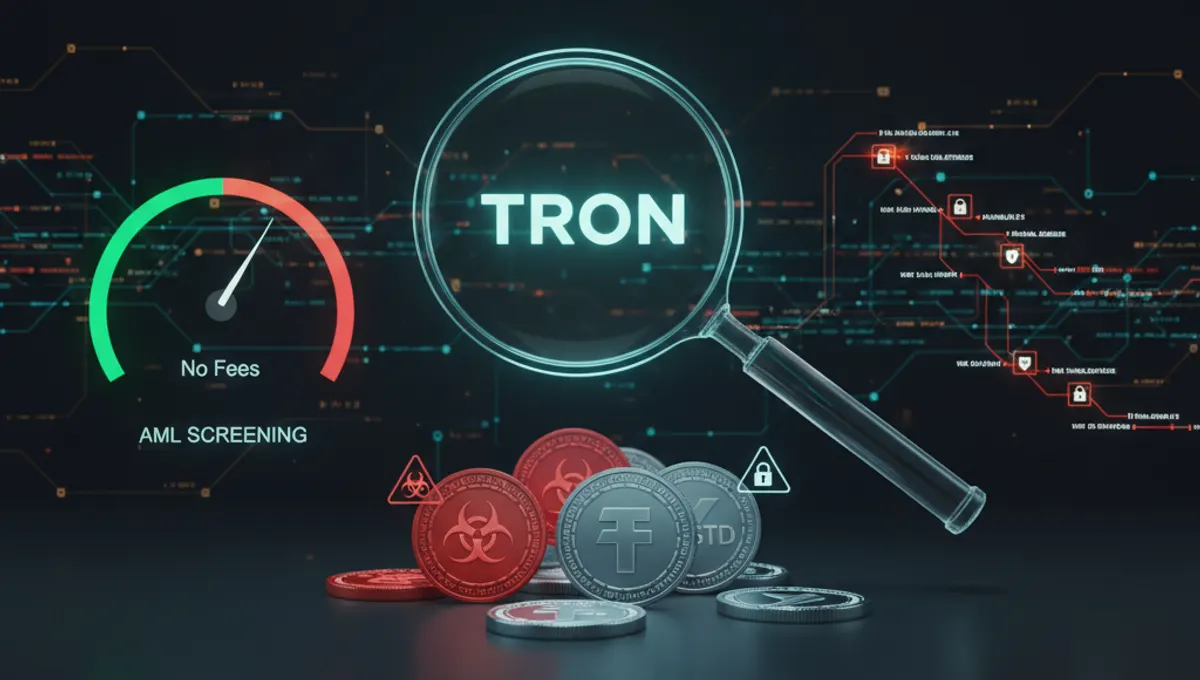
What Does 'Crypto Wallet No Fees' Mean?
A crypto wallet with no fees refers to a wallet that does not charge transaction fees, withdrawal fees, or deposit fees. However, the term is often misunderstood. Most wallets do not set their own fees; network fees (gas on Ethereum, network fees on Tron) are determined by the blockchain itself, not the wallet provider. Some custodial wallets and exchanges advertise zero fees but may charge spread markups or require minimum deposits. Self-custody wallets like hardware wallets or open-source software wallets typically have no fees from the provider, though you still pay blockchain network fees when you move coins. Free AML screening tools allow you to check a wallet address for risk without paying, though premium analytics may cost extra. Understanding the difference between wallet provider fees and blockchain network fees is essential when comparing crypto wallet fees.
How Do Crypto Wallet Fees Work?
Crypto wallet fees fall into several categories. Network fees are paid to miners or validators and vary by blockchain congestion; these are unavoidable. Wallet provider fees are charged by custodial services, exchanges, or managed wallets for holding or moving your coins—some charge nothing, others charge a percentage. Withdrawal and deposit fees are sometimes waived for certain cryptocurrencies or account tiers. Conversion fees apply when swapping tokens within a wallet. AML screening fees are charged by compliance services to check if an address is clean or dirty, though many basic checks are free. When evaluating crypto wallet lowest fees, compare the total cost: provider fees plus typical network fees for your use case. A wallet advertised as having no fees might still cost you in network charges or hidden spreads. Free AML wallet checks let you screen addresses before receiving funds, reducing the risk of accepting tainted coins that could lead to frozen accounts.
Free AML Screening: How to Check a Wallet Before Receiving Funds
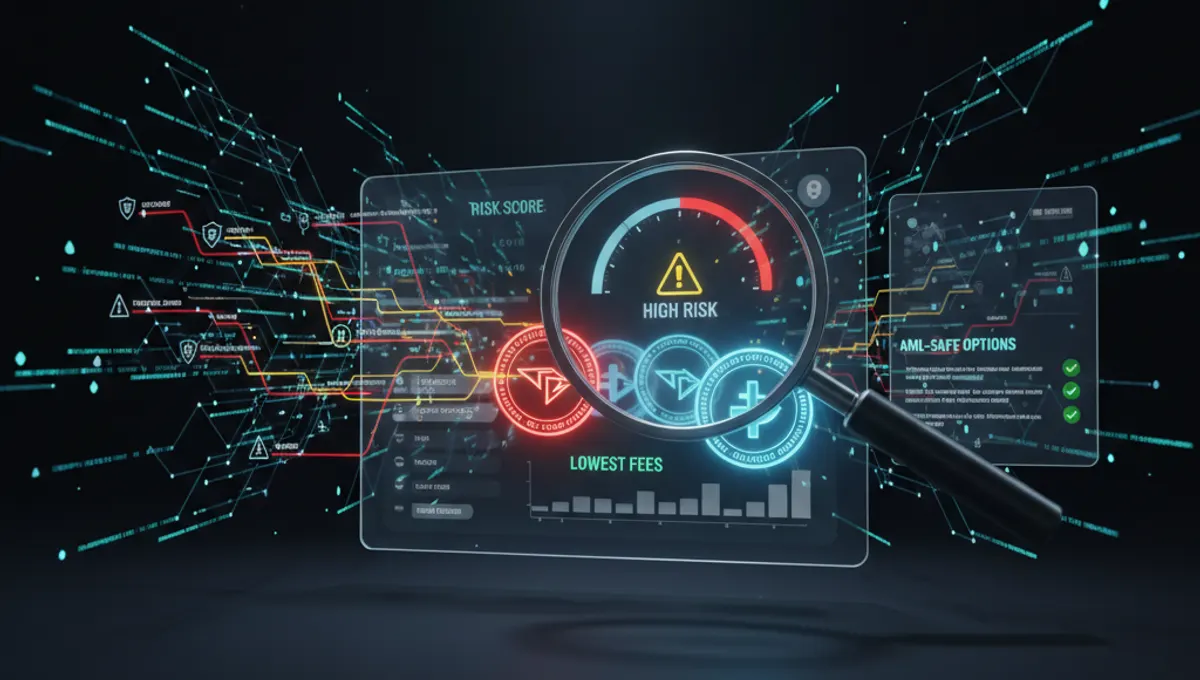
Before accepting USDT, TRX, BTC, or ETH from an unknown source, run a free AML check on the sending address. Step 1: Obtain the wallet address (a long string of characters specific to each blockchain). Step 2: Visit a free AML screening service and paste the address into the search field. Step 3: Review the risk score and transaction history for red flags such as mixer usage, darknet market links, sanctions exposure, or stolen fund markers. Step 4: Check the risk level—green indicates low risk, yellow indicates moderate caution, red indicates high risk or known tainted coins. A free crypto wallet AML check typically shows transaction patterns, fund source, and compliance warnings without requiring payment. If the address shows high risk, consider declining the transfer or investigating further. The AML Services page on this site lists verified screening tools that offer free basic checks; starting there ensures you use trusted, accurate data rather than unverified sources. This simple step prevents you from receiving frozen USDT or coins linked to sanctions, scams, or theft.
What Risk Flags Appear in a Crypto Wallet AML Check?
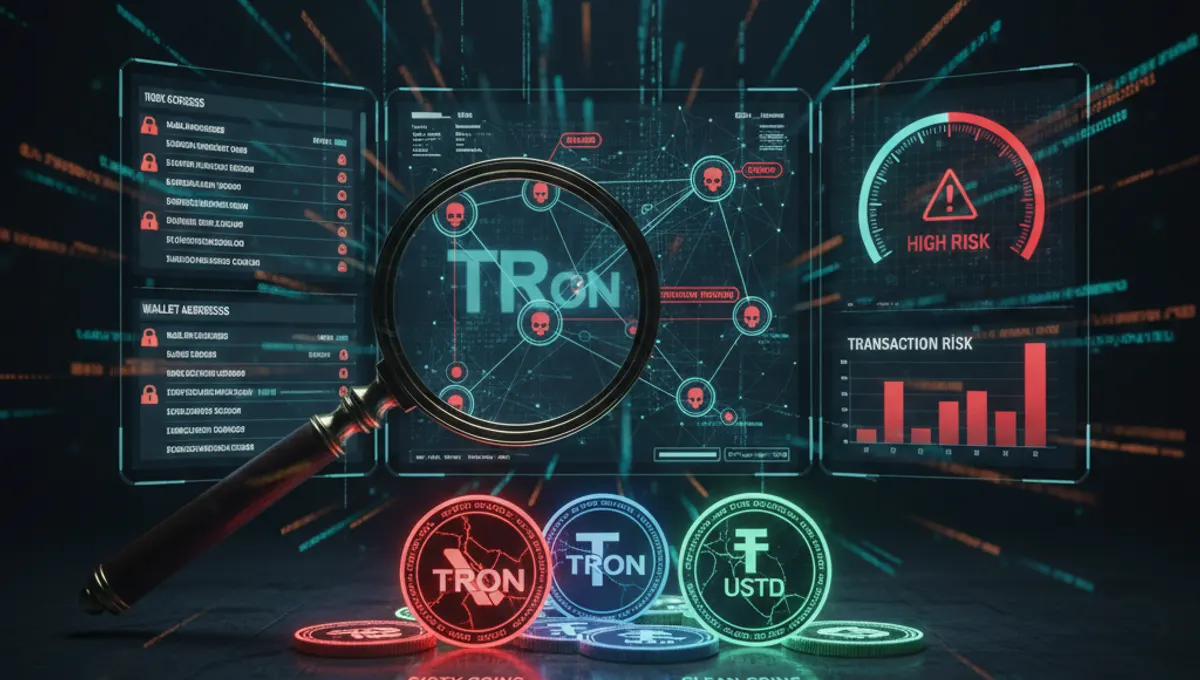
When you screen a wallet address, the AML report flags specific risk categories. Mixer usage indicates coins passed through a mixing service, which obscures transaction history and raises compliance concerns. Darknet market exposure means the address has received or sent funds to known darknet marketplaces. Sanctions list matches flag addresses linked to sanctioned entities or countries under international restrictions. Stolen funds markers indicate coins reported as stolen or recovered from hacks. Scam or fraud tags appear if the address is associated with known Ponzi schemes, rug pulls, or phishing attacks. Gambling platform links show if funds moved to or from gambling services. High transaction velocity flags rapid movement of large sums, which may indicate money laundering. Each flag is assigned a risk score; the cumulative score determines whether a wallet is considered clean or dirty. A crypto wallet explained in compliance terms is one that has been screened and verified as having acceptable risk. Understanding these flags helps you decide whether to accept a transfer or request funds from a different address.
Crypto Wallet Number and Address Identification
Every crypto wallet has a unique address, often called a wallet number or public key. This address is a long alphanumeric string that identifies where coins are stored on a specific blockchain. For example, a Tron address starts with 'T', an Ethereum address starts with '0x', and a Bitcoin address may start with '1', '3', or 'bc1'. The wallet number is public and safe to share; anyone can send you coins if they have your address. However, the private key (which controls the wallet) must never be shared. When you receive a transfer request, always verify the sending address before accepting funds. A crypto wallet example of a Tron address might look like: TJzXt6LQwNdJ5wt2NWQFvBPxVeUjChWxjL. You can paste this address into an AML screening tool to check its history. The wallet number itself does not reveal risk; the transaction history and associated entities do. Free AML checks scan the wallet number against known risk databases, sanctions lists, and darknet market records to determine if coins from that address are safe to receive.
Comparing Free vs. Paid AML Screening Services
Free AML screening services provide basic risk scoring and transaction history for most addresses. Limitations typically include fewer historical records, delayed updates, or limited API access for businesses. Paid AML services offer real-time monitoring, detailed transaction tracing, sanctions list integration, and API access for automated screening. For individual users checking a single address before receiving USDT or TRX, free screening is usually sufficient. For businesses, exchanges, or high-volume traders, paid services provide compliance-grade reporting and audit trails required by regulators. The AML Services page on this site curates verified screening tools—both free and premium—so you can choose based on your needs. Free options often include basic risk scores and red-flag warnings; premium tiers add entity matching, historical deep dives, and ongoing monitoring. When selecting a service, verify it covers the blockchains you use (Tron, Ethereum, Bitcoin, etc.) and updates its sanctions and darknet databases regularly. Starting with a free check from a trusted provider is the safest approach before upgrading to paid features if needed.
What Happens If You Receive Tainted Crypto?
If you receive coins flagged as dirty or tainted—linked to theft, sanctions, or darknet activity—several consequences may follow. Exchanges may freeze your account or refuse to process withdrawals if they detect tainted coins during deposit screening. Regulators may investigate if you knowingly or unknowingly hold sanctioned assets. Your coins may become difficult or impossible to sell without triggering compliance alerts. In some jurisdictions, holding stolen or sanctioned funds can result in legal liability, even if you received them unknowingly. To avoid this, always run a free AML check on incoming transfers before accepting them. If you already hold flagged coins, do not attempt to hide them or use mixers to obscure their origin—this constitutes money laundering and carries serious legal penalties. Instead, consult a compliance professional or legal advisor about your options. Some exchanges may allow you to report tainted coins and cooperate with authorities, which can mitigate liability. The best defense is prevention: screen wallets before receiving funds, use trusted AML services from the verified list on this site, and maintain clear records of all transfers.
Frequently asked questions
Are there really crypto wallets with no fees at all?
Self-custody wallets like hardware wallets and open-source software wallets charge no provider fees, but you still pay blockchain network fees when moving coins. Custodial wallets sometimes advertise zero fees but may charge spreads or require minimums. True zero-fee wallets exist for holding coins; fees appear only when you transact on the blockchain.
Can I check a crypto wallet address for free before receiving funds?
Yes. Free AML screening services let you paste any wallet address and see its risk score, transaction history, and red flags without paying. These basic checks show mixer usage, darknet links, sanctions exposure, and stolen fund markers. Paid services offer more detailed reporting, but free checks are sufficient for most individual users.
What does a crypto wallet number look like?
A crypto wallet number (address) is a long alphanumeric string unique to each blockchain. Tron addresses start with 'T', Ethereum with '0x', Bitcoin with '1', '3', or 'bc1'. Example: TJzXt6LQwNdJ5wt2NWQFvBPxVeUjChWxjL. The address is public and safe to share; never share your private key.
What happens if I receive tainted USDT or TRX?
Exchanges may freeze your account or block withdrawals if they detect tainted coins during deposit screening. You could face regulatory investigation or legal liability if coins are linked to theft or sanctions. Always run a free AML check on incoming transfers before accepting them to avoid frozen deposits and compliance issues.
Which free AML services are most reliable for wallet screening?
The AML Services page on this site lists verified screening tools trusted for accurate risk scoring and sanctions matching. Start with services listed there rather than unverified sources. Reliable tools update their darknet and sanctions databases regularly and cover major blockchains like Tron, Ethereum, and Bitcoin.