What Are Crypto Wallet Fees and How Do They Work?
Crypto wallet fees fall into several categories. Network fees (gas fees on Ethereum, transaction fees on Tron) are paid to miners or validators and vary by network congestion. Custody fees apply when a third party holds your keys; self-custody wallets typically charge nothing for storage. Exchange fees occur when you trade or convert assets. Withdrawal fees are charged by some exchanges when you move coins off their platform. A crypto wallet example: sending USDT on Tron costs far less than on Ethereum because Tron's network fees are lower. Self-custody wallets like hardware wallets or open-source software wallets usually have zero custody fees, making them the lowest-cost option for long-term holding.
Crypto Wallet Explained: Fee-Free vs. Low-Fee Models
A crypto wallet explained in simple terms is software or hardware that stores your private keys and lets you send and receive crypto. Fee structures differ by wallet type. Non-custodial wallets (where you control the keys) charge no fees for storage but you pay network fees when transacting. Custodial wallets (held by an exchange or service) may charge monthly or annual fees but sometimes offer promotional periods with no fees. Some wallets charge no fees on deposits but apply withdrawal fees. Others use a maker-taker model where you pay less to place orders and more to fill them. The lowest-fee option depends on your use case: if you hold long-term, a self-custody wallet with zero fees is best; if you trade frequently, compare exchange fee schedules.
How to Identify Crypto Wallets with No Fees or Lowest Fees
Start by clarifying which fees matter to you. If you only receive and hold, choose a self-custody wallet with zero custody fees. If you trade, compare maker and taker fees across exchanges. If you move crypto between networks, check bridge fees and network gas costs. Many exchanges offer fee discounts for high-volume traders or loyalty programs. Some wallets charge no fees on certain pairs or during promotional periods. A crypto wallet number or identifier helps you track which wallet you're using, especially if you manage multiple addresses. When comparing, calculate your total cost of ownership: a wallet with slightly higher per-transaction fees but lower annual costs may be cheaper overall. Always cross-check fee schedules on the official website or app, as rates change frequently.
Crypto Wallet Fees and AML Risk: Why Screening Matters
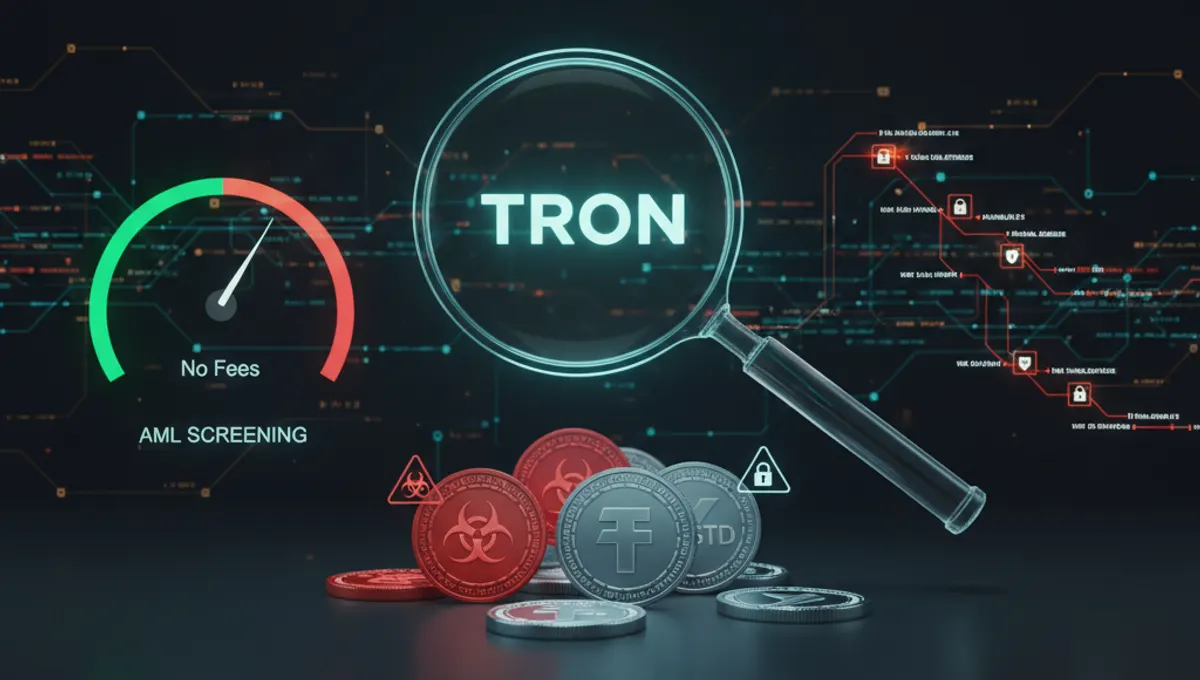
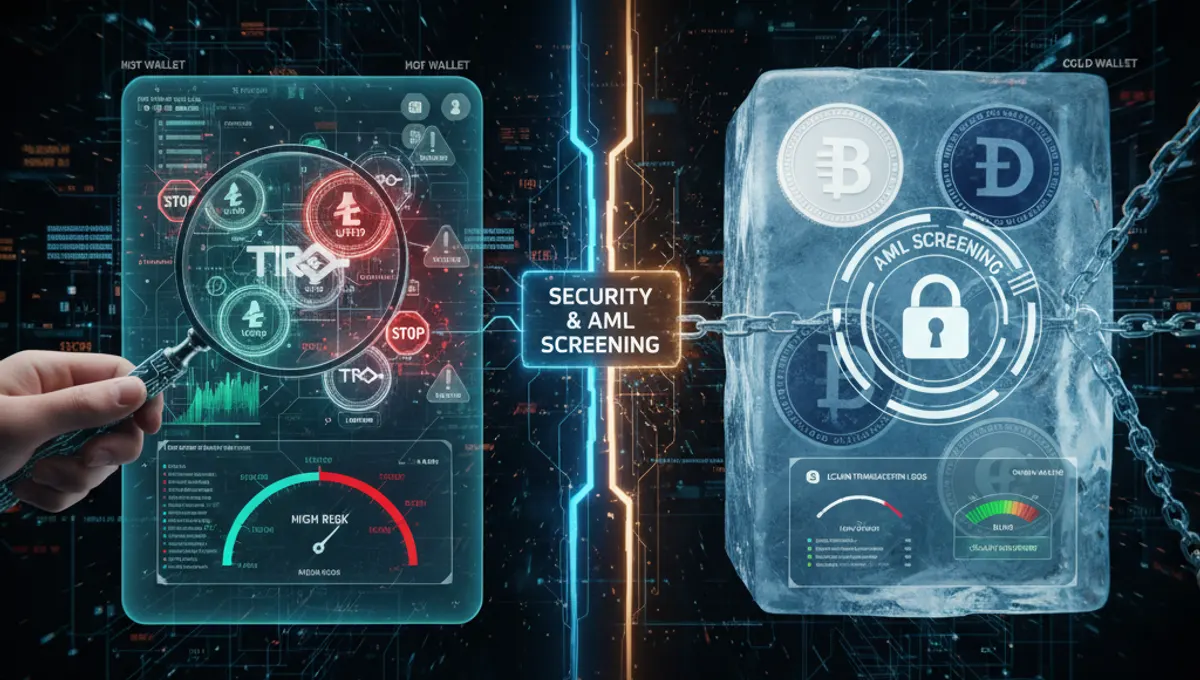
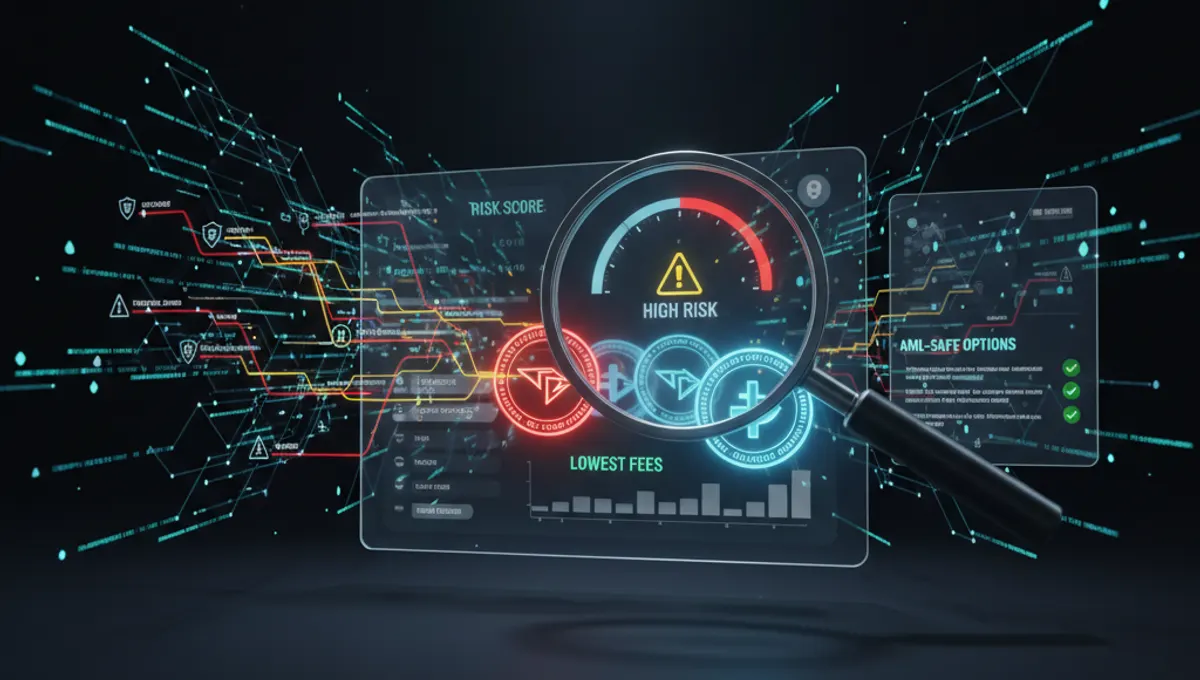
Choosing a low-fee wallet is only half the equation. If you receive tainted coins or funds flagged by AML screening, exchanges may freeze your account or block deposits regardless of fees paid. Dirty crypto—coins linked to mixers, darknet markets, scams, or sanctioned entities—triggers compliance holds and can result in permanent account bans. Before accepting a transfer, screen the sending wallet's transaction history and risk score. Many exchanges now require AML checks on deposits above certain thresholds. A wallet with zero fees is worthless if the coins you receive are frozen. Use the verified AML services listed on our AML Services page to check wallet addresses before receiving large transfers. This simple step prevents costly compliance issues and protects your funds from being locked.
Step-by-Step: Check a Wallet Before Receiving Crypto
Follow these steps to verify a wallet is safe before accepting a transfer:
- Ask the sender for their wallet address or transaction hash.
- Visit a trusted AML screening service from our curated list and enter the address.
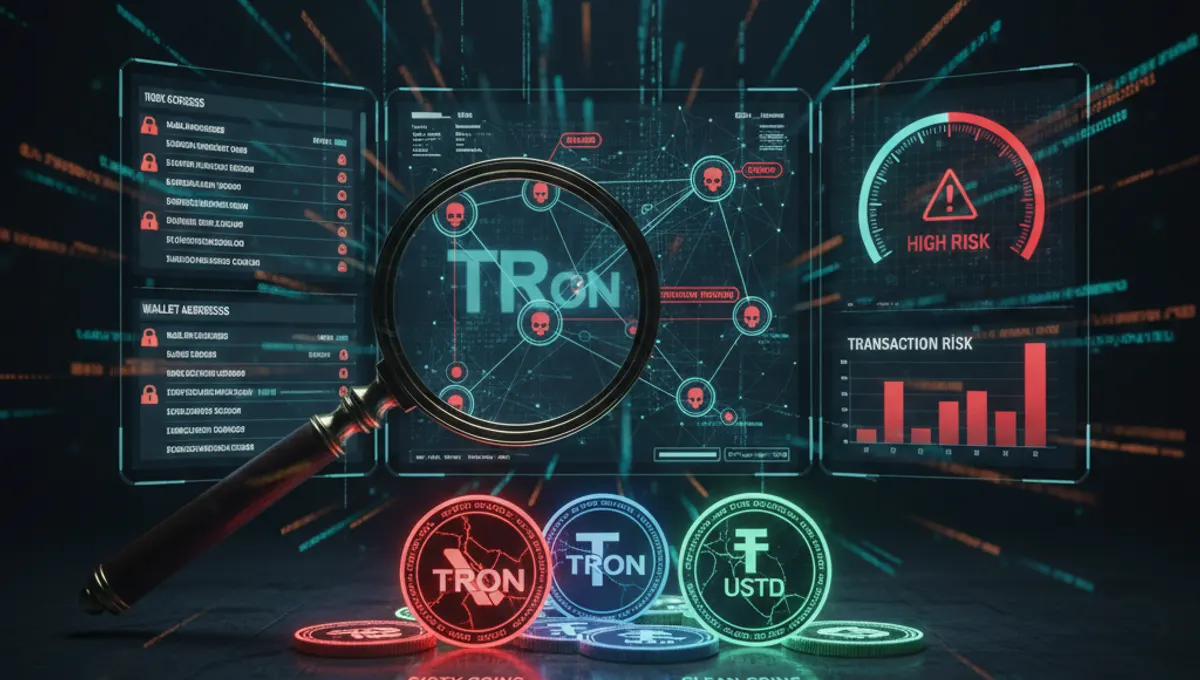
- Review the risk score and transaction flags. Look for red flags like darknet exposure, mixer activity, or sanctions list matches.
- Check the wallet's transaction history for patterns of suspicious activity.
- If the risk score is acceptable (typically low to medium, depending on your exchange's policy), proceed.
- After receiving the transfer, monitor your exchange account for compliance holds. If your deposit is flagged, contact the exchange's support team with the AML report. This process takes minutes and protects you from receiving frozen USDT or blocked deposits that could lock your funds for weeks.
Comparing Fee Structures Across Wallet Types
Hardware wallets (Ledger, Trezor) charge zero fees for storage and transactions; you only pay network fees. Software wallets (MetaMask, Trust Wallet) are free but charge network gas fees. Exchange wallets (Coinbase, Kraken) may charge withdrawal fees and trading fees but offer convenience and built-in compliance. Staking wallets charge no custody fees but may take a percentage of staking rewards. Layer 2 solutions (Arbitrum, Optimism) reduce network fees significantly compared to Ethereum mainnet. Tron wallets charge minimal network fees, making TRX and USDT transfers very cheap. When selecting a wallet, weigh fees against security, ease of use, and compliance features. The lowest-fee option is often self-custody, but it requires you to manage your own security. Custodial wallets charge more but handle compliance screening automatically, reducing your risk of receiving flagged funds.
What to Do If Your Wallet Is Flagged During AML Screening
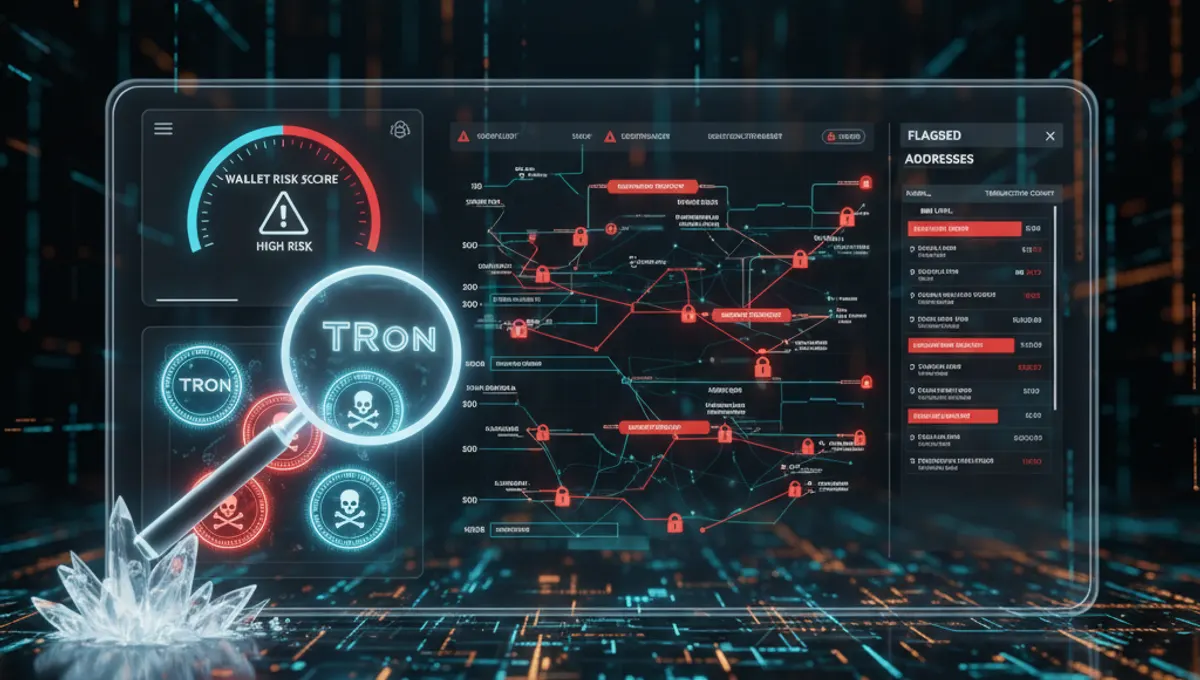
If an AML check flags your wallet or incoming transfer, don't panic. First, request a detailed AML report from the screening service to understand which risk factors triggered the flag. Common reasons include: transaction history with known mixers, deposits from gambling platforms, or activity on sanctioned entity lists. Contact your exchange's compliance team with the report and explain the source of funds. If the coins were legitimately earned (employment, freelance work, personal sale), provide documentation. Some exchanges lift holds after reviewing your explanation; others may require additional KYC verification. If your account remains frozen, escalate to senior support or seek legal advice if the amount is significant. To prevent future issues, use wallets with transparent transaction histories and avoid receiving funds from high-risk sources. Screen all incoming transfers using our verified AML services before accepting them.
Frequently asked questions
What crypto wallet has the lowest fees?
Self-custody wallets like hardware wallets (Ledger, Trezor) and open-source software wallets charge zero custody fees. You only pay network fees when sending crypto. Tron wallets are particularly cheap for USDT transfers due to low network fees. Custodial wallets charge custody or trading fees but offer convenience and compliance screening.
Do any crypto wallets charge no fees at all?
Most wallets charge no fees for storage, but network fees apply when you transact. Some exchanges offer promotional periods with zero trading fees. Hardware wallets have zero custody fees. To minimize costs, hold assets long-term in self-custody and use low-fee networks like Tron for transfers.
How do I check if a wallet address is safe before sending crypto?
Use an AML screening service to check the wallet's transaction history and risk score. Look for red flags like darknet exposure, mixer activity, or sanctions matches. Screen addresses before accepting large transfers to avoid receiving frozen USDT or flagged coins that could lock your exchange account.
What happens if I receive tainted crypto in my wallet?
Exchanges may freeze your account or block deposits if you deposit flagged coins. Your funds can be locked for weeks during compliance review. To prevent this, screen all incoming transfers using verified AML services before accepting them. If your account is frozen, contact exchange support with an AML report explaining the source of funds.
Which network has the lowest crypto transaction fees?
Tron (TRX) has among the lowest network fees, often under one cent per transaction. Layer 2 solutions like Arbitrum and Optimism offer cheap Ethereum transactions. Solana and Polygon also have low fees. Bitcoin and Ethereum mainnet fees are higher, especially during network congestion. Choose your network based on your transaction size and frequency.