What Is a Hot Wallet and How Does It Work?
A hot wallet is a cryptocurrency wallet that remains connected to the internet at all times. It stores your private keys on internet-connected devices such as computers, smartphones, or exchange servers. Hot wallets prioritize speed and accessibility, making them ideal for frequent trading, payments, or withdrawals. Examples include mobile wallets, web wallets, and exchange-hosted wallets. Because hot wallets are always online, they can execute transactions instantly without manual steps. However, this connectivity exposes them to network-based attacks, malware, and phishing schemes. If a hot wallet's private keys are compromised, an attacker can drain funds immediately. Hot wallets typically charge lower transaction fees than cold wallets because they don't require additional hardware or offline signing steps. Many traders use hot wallets for active positions while keeping long-term holdings in cold storage.
What Is a Cold Wallet and Why Is It Safer?
A cold wallet is a cryptocurrency wallet that remains offline and disconnected from the internet. Cold wallets store private keys on hardware devices, paper, or air-gapped computers that never touch the network. Common cold wallet types include hardware wallets and paper wallets. Because cold wallets are offline, they are immune to remote hacking, malware, and phishing attacks. An attacker would need physical access to the device or paper to steal funds. Cold wallets are best suited for long-term holdings and large amounts of cryptocurrency that you do not plan to move frequently. The trade-off is convenience: sending funds from a cold wallet requires manual steps such as connecting the hardware device or manually signing transactions. Cold wallets typically have higher upfront costs due to hardware purchases, though transaction fees themselves are not higher. Cold storage is the industry standard for institutional holdings and high-value personal portfolios.
Hot Wallet vs Cold Wallet: Key Differences and Trade-Offs
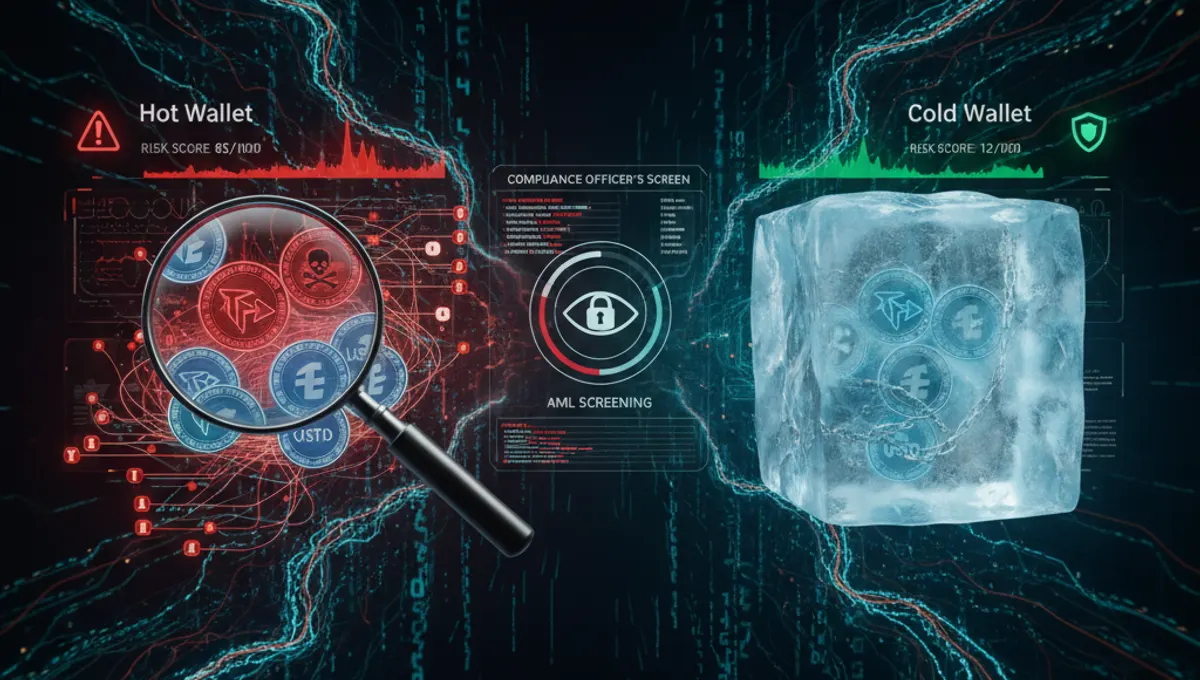
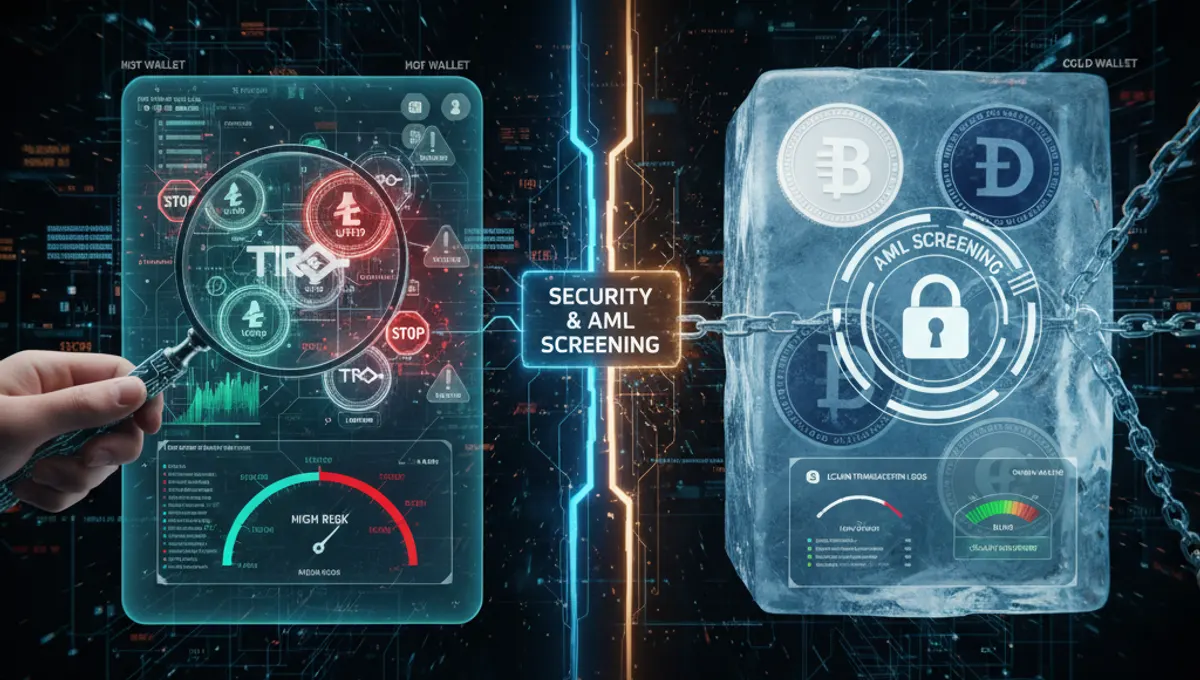
The primary differences between hot and cold wallets center on security, speed, cost, and use case. Hot wallets offer instant access and low friction, making them suitable for day traders and frequent users. Cold wallets sacrifice convenience for security, making them ideal for hodlers and institutional custodians. Hot wallets are vulnerable to online attacks but allow you to respond quickly to market movements. Cold wallets eliminate remote attack vectors but require deliberate action to access or move funds. From a crypto wallet fees perspective, hot wallets often charge lower per-transaction fees because they operate on centralized or semi-custodial platforms. Cold wallets do not charge wallet fees themselves, though hardware purchases and network transaction fees still apply. From an AML screening standpoint, exchanges and compliance teams scrutinize hot wallets more closely because they are associated with higher transaction velocity and greater exposure to darknet markets, mixers, and sanctioned entities. Cold wallets, by contrast, often signal long-term holding and lower risk, though they are not immune to receiving tainted coins.
Why AML Screening Matters for Both Hot and Cold Wallets
Regardless of wallet type, receiving cryptocurrency from an unknown source carries compliance and financial risk. Exchanges and custodians now routinely screen incoming deposits for AML red flags, including mixer exposure, darknet market connections, stolen funds, and sanctions list matches. If you receive USDT or TRX from a flagged address, your exchange account can be frozen pending investigation, even if you did not knowingly participate in illicit activity. Hot wallets are screened more frequently because they are associated with active trading and higher-risk transaction patterns. Cold wallets are less frequently monitored by exchanges, but if you eventually move funds from cold storage to an exchange, the entire transaction history is reviewed. A single transaction from a mixer or sanctioned entity can taint your entire wallet, regardless of whether you hold it in hot or cold storage. This is why checking a wallet's risk score and transaction history before receiving funds is essential. Our curated list of verified AML services on this site can help you screen addresses and assess whether incoming funds carry compliance risk.
How to Check a Wallet Address Before Receiving Crypto
Before accepting USDT, TRX, BTC, or ETH from any source, perform an AML check on the sending address. Follow these steps: First, obtain the full wallet address from the sender. Second, visit a trusted AML screening service from our verified list and enter the address. Third, review the risk score and transaction flags. A low risk score indicates the address has minimal exposure to darknet markets, mixers, or sanctions lists. A high risk score suggests the address has received funds from high-risk sources or has been flagged by blockchain analytics providers. Fourth, examine the transaction history for specific red flags such as mixer interactions, darknet market connections, or stolen fund markers. Fifth, decide whether to accept the transfer based on your risk tolerance and compliance requirements. If the address shows high-risk flags, consider requesting funds from an alternative source. This process takes minutes and can prevent frozen deposits, account bans, and regulatory complications.
What Risk Score Levels Mean and When to Reject Transfers
AML risk scores typically range from 0 to 100, with higher scores indicating greater compliance risk. A score of 0–20 generally indicates a clean address with no known exposure to illicit activity, mixers, or sanctions. A score of 21–50 suggests moderate risk, such as exposure to gambling platforms or exchanges with weaker compliance controls. A score of 51–80 indicates significant risk, including mixer interactions, darknet market exposure, or connections to stolen funds. A score above 80 represents critical risk and should trigger immediate rejection. Most institutional buyers and exchanges reject transfers from addresses scoring above 50. Individual traders often set their own thresholds based on risk appetite. If you are receiving funds for business purposes or plan to deposit them on an exchange, aim to accept only addresses scoring below 30. If an address shows specific red flags such as direct mixer connections or sanctioned entity exposure, reject the transfer regardless of the numerical score. Checking risk scores before accepting funds is the most effective way to avoid frozen USDT and account bans.
What to Do If Your Wallet Is Flagged as Dirty Crypto
If you receive tainted coins or your wallet is flagged during an exchange deposit attempt, take immediate action. First, do not panic; flagging does not mean you committed a crime. Second, gather documentation of how you acquired the funds, including transaction records, invoices, or communications with the sender. Third, contact the exchange or service that flagged your account and provide your documentation. Many exchanges will review your case and lift the freeze if you can demonstrate legitimate acquisition. Fourth, if the flag is accurate and you did receive funds from a high-risk source, consider isolating those coins in a separate wallet to prevent them from tainting future transactions. Fifth, use an AML screening service to understand exactly which transactions triggered the flag. This information helps you explain the situation to compliance teams and avoid similar issues in the future. In rare cases where funds are confirmed stolen or linked to sanctions violations, you may be required to surrender them or face legal consequences. Proactive screening before receiving funds is far simpler than resolving flags after the fact.
Frequently asked questions
Can I use a hot wallet for long-term crypto storage?
Technically yes, but it is not recommended. Hot wallets are designed for active use and carry higher security risk due to constant internet connectivity. For long-term holdings, cold wallets or hardware wallets are safer. If you must use a hot wallet, keep only the amount you plan to trade actively and move the rest to cold storage.
Do cold wallets need AML screening?
Cold wallets themselves do not require screening, but the addresses sending funds to them do. If you receive cryptocurrency from a flagged address into cold storage, the coins remain tainted. When you eventually move those coins to an exchange, the entire transaction history is reviewed and may trigger a freeze.
What crypto wallet example should I use for receiving USDT safely?
Use a reputable exchange wallet or hardware wallet from established providers. Before accepting USDT from any source, check the sender's address using a verified AML service. This prevents receiving tainted coins regardless of which wallet type you use. Our site lists trusted AML screening services to help you verify addresses.
How do crypto wallet fees differ between hot and cold wallets?
Hot wallets often charge lower per-transaction fees because they operate on centralized platforms. Cold wallets do not charge wallet fees, but you pay network transaction fees when moving funds. Hardware wallet purchases have upfront costs. The actual transaction fee depends on network congestion, not wallet type.
What is the safest way to check if a wallet address is clean?
Use a trusted AML screening service from our verified list on this site. Enter the wallet address and review the risk score and transaction flags. Look for exposure to mixers, darknet markets, stolen funds, or sanctions lists. Addresses scoring below 30 are generally safe to receive funds from.