What is a Hot Wallet and How Does It Work?
A hot wallet is a cryptocurrency wallet connected to the internet, typically accessed through a mobile app, web browser, or desktop software. It allows you to send and receive funds instantly, making it ideal for frequent trading or spending. Examples include MetaMask, Trust Wallet, and exchange-hosted wallets. Hot wallets prioritize convenience over security because the private keys are stored on internet-connected devices. This accessibility makes them vulnerable to hacking, malware, and phishing attacks. Despite these risks, hot wallets remain popular for active traders and everyday crypto users. The speed of transactions in a hot wallet comes at the cost of reduced security compared to offline alternatives.
What is a Cold Wallet and Why Use Offline Storage?
A cold wallet stores cryptocurrency offline, disconnected from the internet, making it significantly harder to compromise through remote attacks. Hardware wallets like Ledger and Trezor are the most common cold storage examples, storing private keys on a physical device that never connects directly to the internet. Paper wallets, where private keys are written on paper, represent another cold storage method. Cold wallets require manual steps to initiate transactions, such as connecting the hardware device to a computer or manually entering keys. This friction reduces the risk of accidental or malicious fund transfers. Cold storage is preferred for long-term holding and large amounts of cryptocurrency because the offline nature eliminates most digital attack vectors. However, cold wallets are less convenient for frequent trading or immediate access to funds.
Hot Wallet vs Cold Wallet: Key Differences
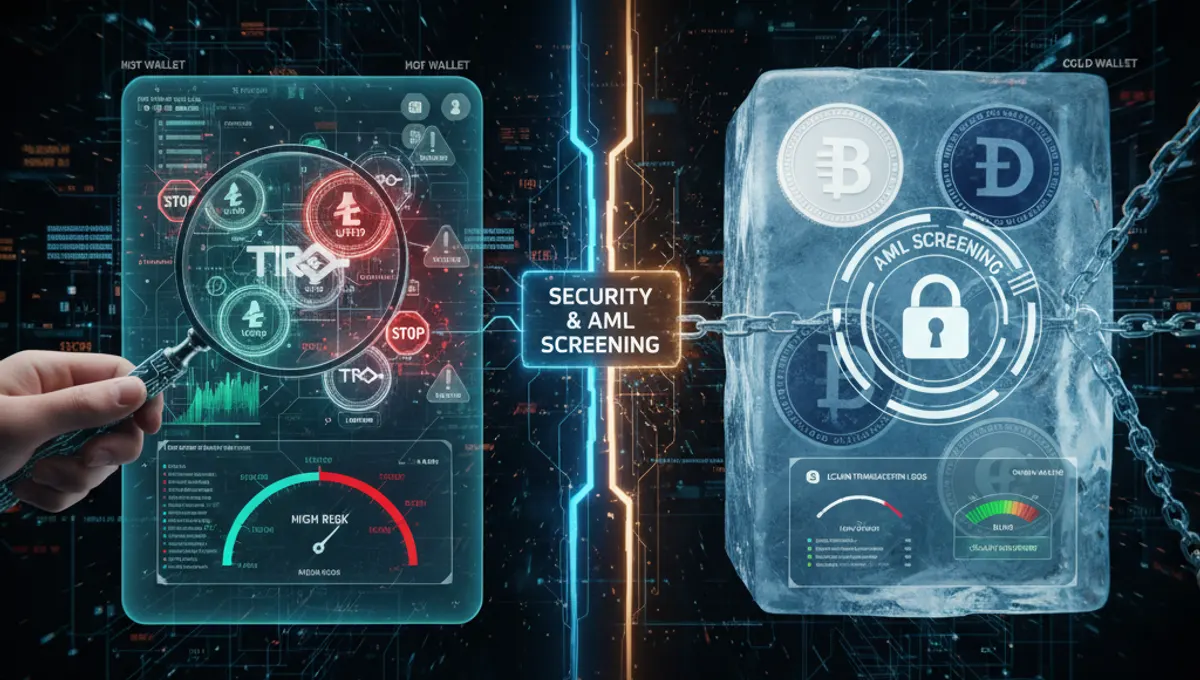
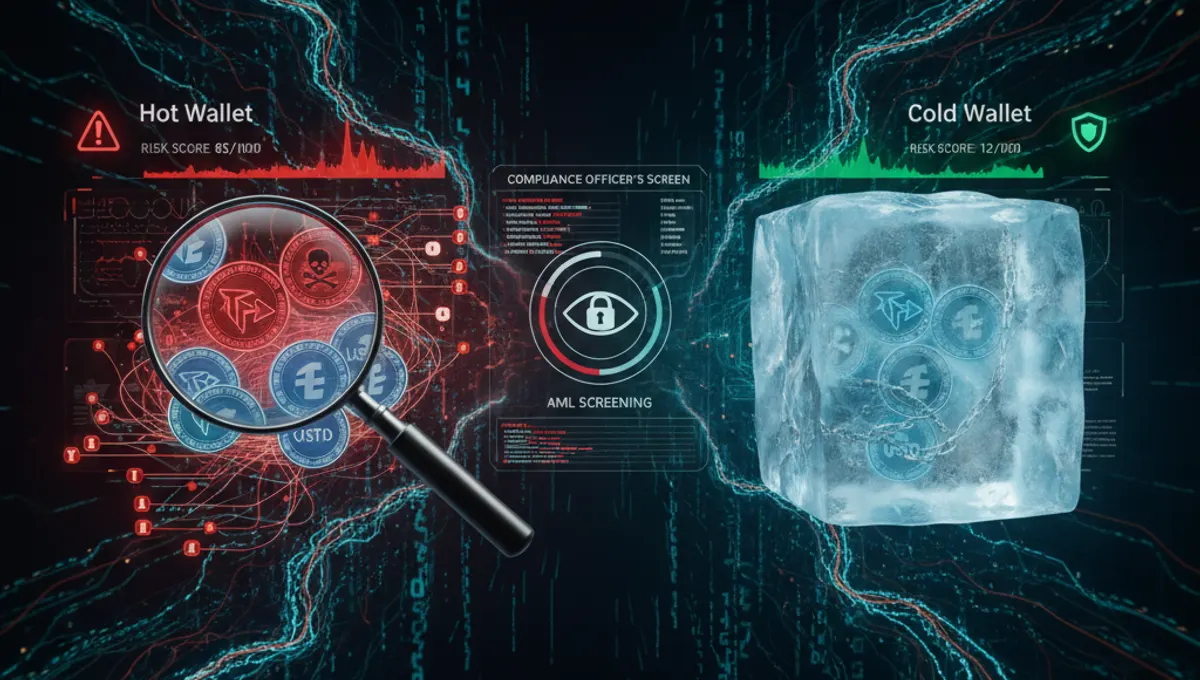
Hot and cold wallets differ in accessibility, security, transaction speed, and use case. Hot wallets offer instant access and fast transactions but expose private keys to internet-connected devices. Cold wallets require manual steps to transact but keep private keys offline and secure. Hot wallets are suitable for active traders, merchants, and users who need regular access to funds. Cold wallets suit long-term investors and holders protecting large balances. Neither wallet type determines whether coins are clean or tainted—that depends on the transaction history and source of the cryptocurrency. Both hot and cold wallets can receive dirty crypto if proper AML screening is not performed before accepting deposits. The choice between hot and cold storage should balance your transaction frequency, security needs, and compliance requirements.
Do Hot and Cold Wallets Have Different AML Screening Needs?
AML screening applies equally to both hot and cold wallets because the risk of receiving tainted coins or frozen USDT is independent of storage method. Whether you use a hot wallet or cold storage, you must verify that incoming funds are not linked to sanctions lists, darknet markets, mixers, or stolen cryptocurrency. Cold wallets do not provide automatic protection against receiving dirty crypto—they only protect against theft or unauthorized access. Hot wallets connected to exchanges may trigger automatic AML checks, but self-hosted hot wallets require manual screening. The wallet type does not affect whether exchanges will freeze your account if deposits are flagged as high-risk. Both storage methods require the same due diligence: check the sender's address, review transaction history, and use AML services to assess risk scores before accepting large transfers.
How to Check a Wallet Address Before Receiving Funds
Before accepting cryptocurrency into either a hot or cold wallet, screen the sender's address using blockchain analytics tools. Start by obtaining the sender's wallet address and reviewing its transaction history on a blockchain explorer. Look for red flags such as recent activity with known mixers, darknet market addresses, or sanctioned entities. Use dedicated AML screening services to generate a risk score for the address—these services analyze transaction patterns and flag high-risk behavior. Acceptable risk thresholds vary by use case: exchanges typically reject addresses with high-risk scores, while personal users may accept moderate risk. Document the screening results before accepting the transfer. If the address shows signs of tainted coins or frozen USDT history, decline the transfer or escalate to compliance. The AML Services page on this site lists verified screening tools that provide reliable wallet analysis and risk scoring.
What Happens If You Receive Tainted Crypto in a Hot or Cold Wallet?
Receiving tainted cryptocurrency does not automatically lock your wallet, but it creates compliance and financial risk. If you deposit tainted coins into an exchange-connected hot wallet, the exchange may freeze your account pending investigation. Cold wallets are not directly frozen by exchanges, but if you later transfer coins from cold storage to an exchange, the exchange will screen the address and may reject the deposit or flag your account. Tainted coins can originate from mixers, ransomware, theft, or sanctions violations. Holding or transferring tainted cryptocurrency may expose you to legal liability depending on jurisdiction and the source of the coins. If you discover you have received dirty crypto, do not attempt to mix or launder it—this compounds legal risk. Instead, contact the relevant exchange or compliance service to understand your options and document the incident.
Hot Wallet Fees vs Cold Wallet Costs
Hot wallets typically charge lower transaction fees because they process transfers directly without intermediaries. Exchange-hosted hot wallets may charge deposit and withdrawal fees, while self-hosted hot wallets only incur blockchain network fees. Cold wallets have no transaction fees beyond network costs, but hardware wallets require an upfront purchase price ranging from modest to several hundred dollars depending on the model. Paper wallets are free to create but require manual key management and are prone to user error. The total cost of ownership depends on transaction frequency and the amount held. Active traders benefit from low-fee hot wallets despite security trade-offs. Long-term holders justify cold wallet hardware costs through enhanced security and reduced hacking risk. Neither storage method eliminates the need for AML screening, which may incur fees through third-party compliance services when checking wallet addresses for risk.
Frequently asked questions
Can a cold wallet be hacked or frozen?
A cold wallet cannot be hacked remotely because it is offline, but it can be physically stolen or compromised if someone gains access to the hardware device or paper key. Cold wallets cannot be frozen by exchanges because they are not connected to any service. However, if you transfer coins from cold storage to an exchange, the exchange can freeze your account if the coins are flagged as tainted during AML screening.
Is a hot wallet safe for storing large amounts of crypto?
Hot wallets are not recommended for storing large amounts of cryptocurrency because they remain vulnerable to hacking, malware, and phishing attacks. The convenience of internet access increases the attack surface. For substantial holdings, cold storage is safer. Hot wallets are best suited for amounts you actively trade or spend regularly, while long-term reserves should be held in cold wallets.
Do I need to do AML checks on both hot and cold wallets?
Yes, AML screening applies to both wallet types equally. The storage method does not determine whether coins are clean or tainted. Before accepting funds into either wallet, verify the sender's address using blockchain analytics tools to check for sanctions exposure, mixer activity, or darknet links. Use verified AML services listed on our AML Services page for reliable risk scoring.
What is a crypto wallet number and how does it relate to AML?
A crypto wallet number typically refers to the wallet address—a unique identifier on the blockchain. AML screening uses wallet addresses to trace transaction history and assess risk. Each address can be checked for associations with tainted coins, frozen USDT, or sanctions lists. Wallet addresses are public on the blockchain, making them traceable for compliance purposes.
Why do some exchanges freeze USDT deposits from certain wallets?
Exchanges freeze USDT deposits when AML screening flags the sending address as high-risk. Risk factors include recent mixer activity, darknet market connections, stolen funds, or sanctions violations. Frozen deposits trigger account reviews and may result in permanent closure if the coins cannot be cleared. Always screen wallet addresses before transferring USDT to exchanges to avoid frozen funds.