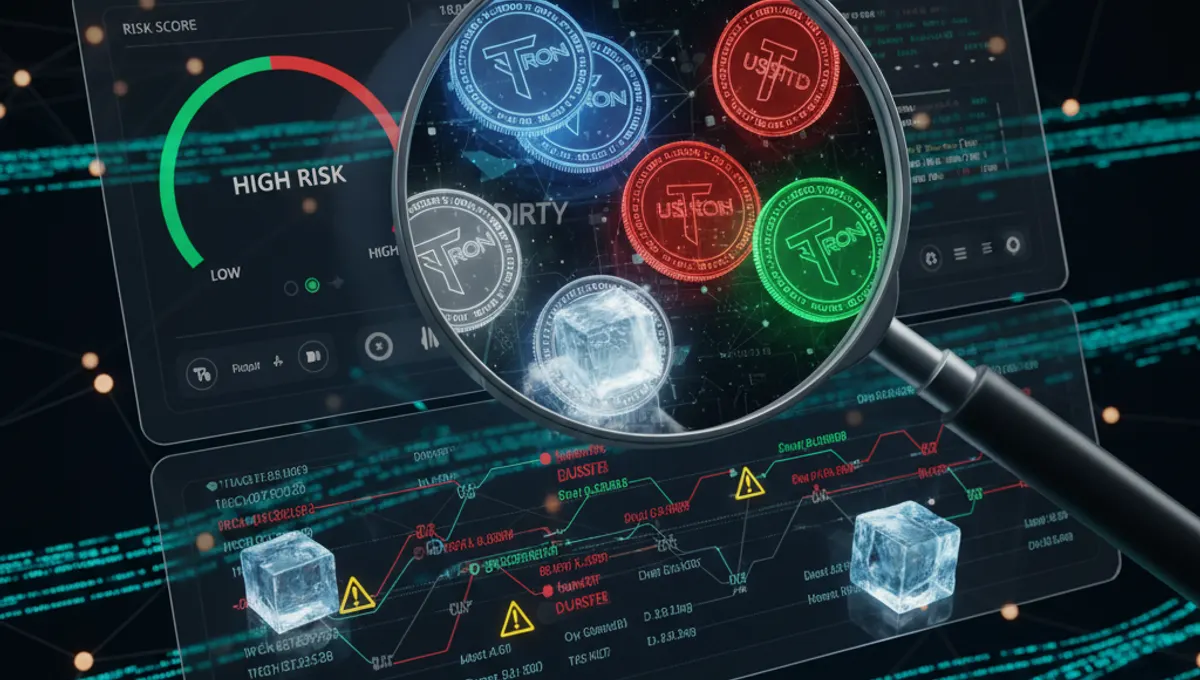
What Is a Crypto Wallet AML Check?
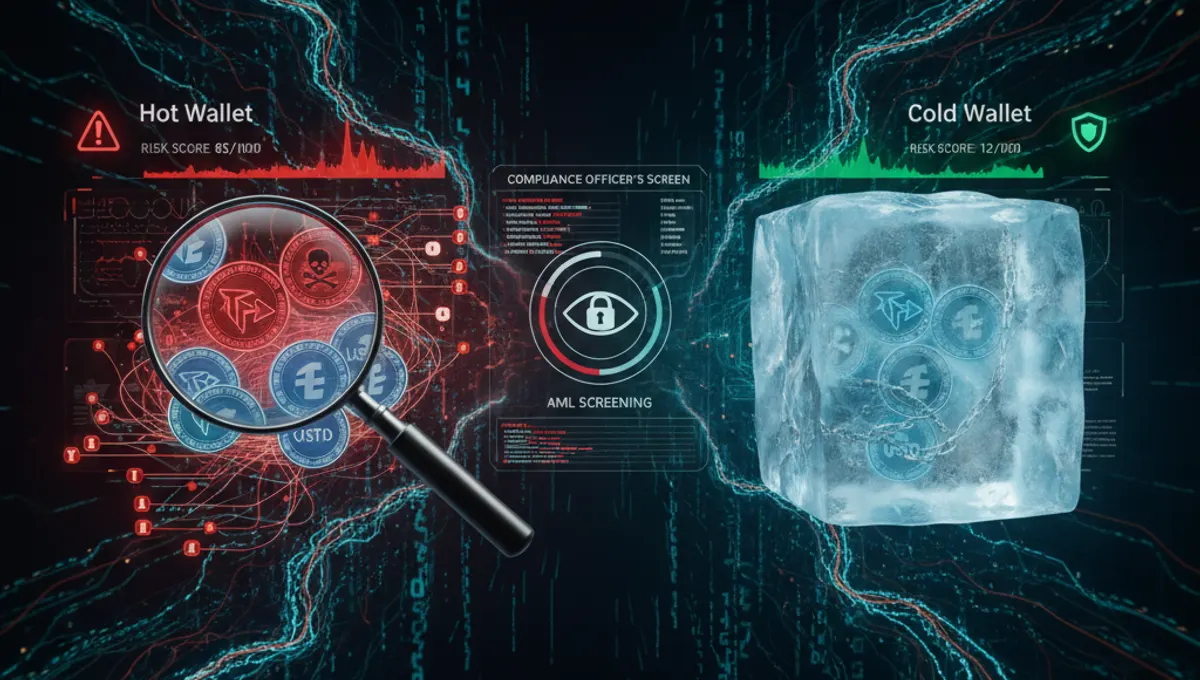
A crypto wallet AML check is a screening process that analyzes a blockchain address against known risk indicators. AML stands for Anti-Money Laundering. The check examines whether the wallet has received or sent funds linked to darknet markets, mixers, scams, stolen funds, sanctioned entities, or gambling platforms. Each address receives a risk score—typically ranging from low to high—based on its transaction history and counterparty exposure. Unlike traditional banking KYC (Know Your Customer) verification, a crypto wallet AML check does not require personal identity information; it only analyzes on-chain behavior. The result tells you whether a wallet is considered clean or dirty by compliance standards, and whether receiving funds from it could trigger exchange freezes or regulatory scrutiny.
How Does Crypto Wallet Risk Scoring Work?
Risk scoring in crypto wallet screening assigns a numerical or categorical rating based on several factors. Blockchain analytics firms trace transaction flows and cluster addresses to identify patterns. A wallet receives a higher risk score if it has direct or indirect links to: mixers (services that obscure transaction origins), darknet marketplace addresses, stolen cryptocurrency, sanctioned individuals or entities, or high-volume gambling platforms. The scoring algorithm also considers transaction velocity, address age, and clustering with known risky wallets. Most services use a scale such as low (0–20%), medium (20–50%), high (50–80%), or critical (80–100%). A low-risk wallet typically has clear, legitimate transaction history. A high-risk wallet may have received funds from a mixer or been involved in a scam, even if the current holder is innocent. Risk scores are probabilistic estimates, not legal judgments, and they help exchanges and custodians decide whether to accept or freeze a deposit.
How to Check a Crypto Wallet Before Receiving USDT or TRX
Before accepting a transfer of USDT, TRX, BTC, or ETH, follow these steps to screen the sending address:
- Obtain the full wallet address from the sender (ensure it is correct and not a typo).
- Visit a trusted AML screening service—our curated list of verified AML services on this site includes tools designed for this purpose.
- Enter the wallet address and select the blockchain (Tron for TRX/USDT, Ethereum for ETH, Bitcoin for BTC).
- Review the risk score and transaction history summary.
- Check for specific red flags: mixer exposure, darknet links, sanctions matches, or recent large inflows from suspicious sources.
- If the risk score is low to medium and no critical flags appear, the wallet is generally safe to receive from.
- If the risk score is high or critical, contact the sender to understand the history, or decline the transfer.
This process takes minutes and protects you from receiving tainted coins that could be frozen by exchanges or flagged by regulators.
What Risk Score Levels Mean for Your Deposits
Understanding risk score thresholds helps you make deposit decisions:
Low Risk (0–20%): The wallet has clean transaction history with no known illicit exposure. Deposits are safe to accept; exchanges typically process them without delay.
Medium Risk (20–50%): The wallet may have received funds from a mixer or has indirect exposure to risky addresses, but no direct criminal links are confirmed. Most exchanges accept medium-risk deposits, though they may trigger routine monitoring.
High Risk (50–80%): The wallet has direct or strong indirect exposure to darknet markets, scams, or stolen funds. Many exchanges will freeze or reject deposits from high-risk addresses. Accepting such funds carries regulatory and compliance risk.
Critical Risk (80–100%): The wallet is directly linked to sanctions lists, known theft, or active darknet operations. Deposits will almost certainly be frozen. Receiving funds from a critical-risk wallet can result in account closure and legal complications.
Acceptable thresholds depend on your jurisdiction and exchange policy. Most institutional and retail users should avoid deposits above 50% risk.
What Happens When Your Crypto Wallet Is Flagged as Dirty?
If your wallet receives a high or critical risk score, several consequences may follow. First, when you deposit flagged cryptocurrency to an exchange, the exchange's compliance system may automatically freeze the deposit pending review. The exchange will investigate the source of the funds and may request documentation explaining the transaction. If the exchange cannot verify a legitimate source, it may permanently freeze the deposit and close your account. Second, your wallet address becomes associated with the risk flag in blockchain analytics databases, which other exchanges and services will see. Third, if the flagged funds are linked to sanctions or known theft, you may face legal liability even if you received them unknowingly. To mitigate this: keep detailed records of all transfers you receive, screen incoming addresses before accepting deposits, and if you do receive flagged funds, contact your exchange's compliance team immediately to explain the situation. Some exchanges may allow you to prove the funds are now in your legitimate control and release them after investigation.
Common Risk Categories: Mixers, Darknet, Scams, and Sanctions
Crypto wallet AML checks flag several specific risk categories:
Mixers: Services that combine and redistribute cryptocurrency to obscure transaction origins. Receiving from a mixer does not prove criminal intent, but it raises compliance concerns because mixers are often used to launder illicit funds.
Darknet Markets: Addresses linked to known darknet marketplaces for drugs, weapons, or stolen data. Deposits from darknet addresses are almost always frozen.
Scams and Theft: Wallets that received stolen cryptocurrency or participated in Ponzi schemes, rug pulls, or phishing attacks. Victims may unknowingly hold stolen coins.
Sanctioned Entities: Addresses belonging to individuals or organizations on government sanctions lists (OFAC, EU, UN). Transacting with sanctioned addresses is illegal in most jurisdictions.
Gambling Platforms: High-volume gambling wallets may be flagged as medium risk due to regulatory uncertainty, though they are not inherently illegal.
Ransomware: Addresses that received ransom payments. These are typically marked as critical risk.
Each category carries different regulatory and practical implications. Mixer exposure is common and often recoverable; sanctions exposure is a legal violation.
Choosing a Trusted AML Screening Service
Not all AML screening tools are equal. When selecting a service to check a crypto wallet, consider these factors: accuracy of blockchain data and sanctions list integration, speed of screening (most should return results in seconds), coverage of multiple blockchains (Tron, Ethereum, Bitcoin, etc.), transparency about how risk scores are calculated, and whether the service offers both free and paid tiers. Free AML checks typically provide basic risk scoring and red-flag detection; paid services offer detailed transaction tracing, historical reports, and API access for businesses. Our site maintains a curated list of verified AML services that meet compliance standards and provide reliable screening. Starting with a trusted service from that list ensures you are using tools backed by reputable blockchain analytics firms and reduces the risk of false positives or outdated data. Before committing to a service, test it with a known address to verify the results make sense.
Frequently asked questions
Can I check a crypto wallet for free?
Yes. Many AML screening services offer free basic checks that return a risk score and high-level red flags. Free tiers typically limit the number of checks per day or provide less detailed transaction history. Paid services unlock full reports, historical data, and API access. Our verified AML services list includes options with free tiers.
What does a low-risk crypto wallet score mean?
A low-risk score (typically 0–20%) indicates the wallet has clean transaction history with no known exposure to mixers, darknet markets, scams, or sanctions. Deposits from low-risk wallets are safe to accept and will not trigger exchange freezes or regulatory complications.
Will my exchange freeze my account if I receive tainted USDT?
Possibly. If you deposit USDT flagged as high or critical risk, the exchange's compliance system may automatically freeze the deposit and investigate. If the exchange cannot verify a legitimate source, it may freeze your account permanently. Screening addresses before accepting deposits prevents this.
How do I know if a wallet address is real?
A real crypto wallet address is a long string of characters specific to a blockchain (Tron addresses start with T, Ethereum with 0x, Bitcoin with 1 or 3). Verify the address format matches the blockchain, check it against the sender's official communication, and use a blockchain explorer to confirm the address has transaction history before sending funds.
What is the difference between AML and KYC?
AML (Anti-Money Laundering) screening analyzes transaction history and blockchain behavior to detect illicit activity. KYC (Know Your Customer) verifies personal identity through documents. A crypto wallet AML check does not require identity verification; it only examines on-chain risk. Exchanges typically use both AML and KYC for compliance.