What Does Looking Up a Crypto Wallet Mean?
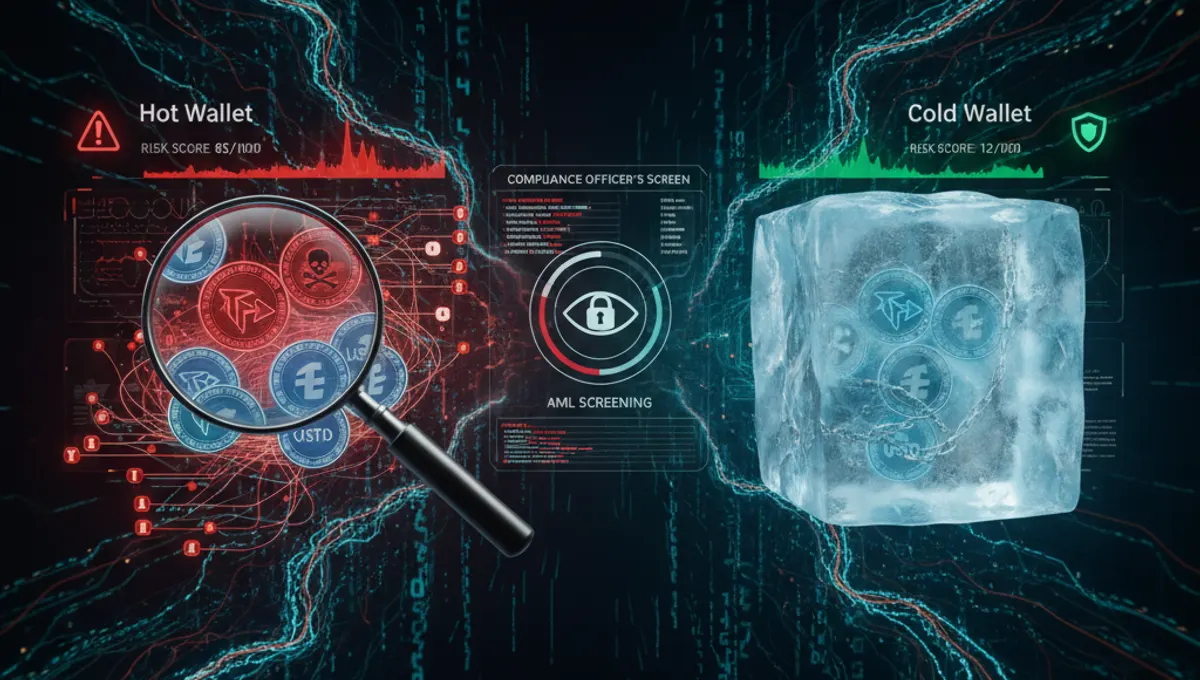
Looking up a crypto wallet is the process of querying a blockchain to retrieve all public information associated with a wallet address. Every transaction on a blockchain is immutable and visible; when you look up a wallet, you access its transaction history, current balance, and metadata. A crypto wallet number is simply the public address itself—a string of characters like a bank account number. Blockchain explorers (free tools that index blockchain data) let you search by address and see every transaction. AML screening tools go further: they cross-reference the address against sanctions lists, darknet market databases, mixer services, and known scam wallets to assign a risk score. Looking up a wallet is not the same as accessing private keys or funds; it is purely informational and available to anyone.
How to Use a Blockchain Explorer to Look Up a Wallet
A blockchain explorer is a search engine for blockchain transactions. To look up a crypto wallet using an explorer:
- Choose an explorer for the blockchain you need (e.g., Etherscan for Ethereum, Tronscan for Tron, Blockchain.com for Bitcoin).
- Copy the wallet address you want to check.
- Paste the address into the search bar and press Enter.
- Review the results: you will see the wallet balance, total transaction count, and a list of all transactions (sent and received).
- Click on individual transactions to see amounts, timestamps, and counterparty addresses.
Blockchain explorers are free and show all on-chain data. However, they do not provide AML risk assessment. A wallet might have a large balance and active history but still be connected to theft, sanctions, or darknet activity. This is why AML screening is the next step after basic lookup.
What Is an AML Risk Score and How Does It Work?
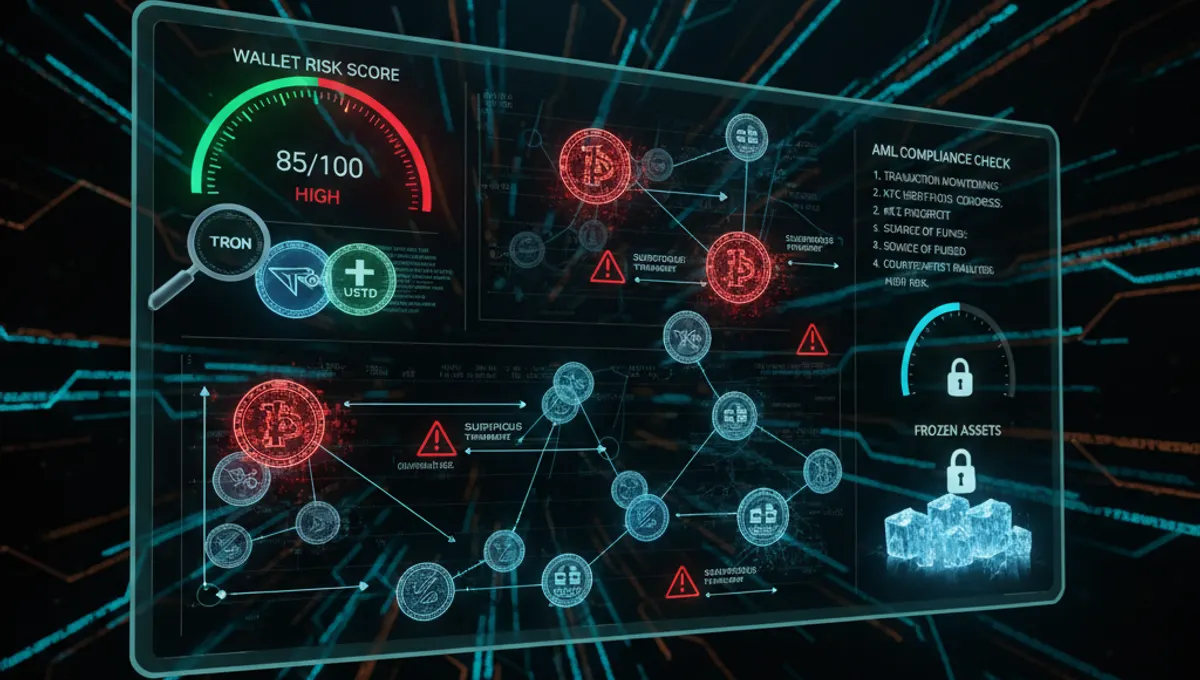
An AML risk score is a numerical rating assigned to a wallet address based on its transaction history and associations. Risk scoring works by analyzing:
- Transaction patterns (rapid transfers, round amounts, timing clusters).
- Counterparty risk (whether the wallet has received funds from known mixers, darknet markets, or sanctioned entities).
- Wallet age and activity level.
- Presence on sanctions lists (OFAC, EU, UN lists).
- Known scam or theft reports.
Risk scores typically range from 0 (clean) to 100 (high risk). A wallet with a score below 20 is generally considered acceptable for most transactions. Scores between 20 and 50 warrant caution; the wallet may have received tainted coins or interacted with risky counterparties. Scores above 50 indicate significant compliance risk and should be avoided. AML services use proprietary algorithms and blockchain analytics to calculate these scores, so scores may vary slightly between providers.
Step-by-Step: How to Check a Wallet Before Receiving USDT or TRX
Before accepting USDT, TRX, BTC, or ETH from a new counterparty, follow this process:
- Request the wallet address from the sender.
- Copy the address and verify it character-by-character (do not trust it verbatim; scammers use similar-looking addresses).
- Visit a blockchain explorer and search the address to confirm it exists and has transaction history.
- Use an AML screening tool to check the wallet's risk score and see any flags (mixer exposure, darknet links, sanctions, theft reports).
- Review the transaction history: look for large inbound transfers from unknown sources, rapid onward transfers, or activity with known risky addresses.
- If the risk score is below 20 and no major flags appear, the wallet is likely clean.
- If the score is 20–50, contact the sender to understand the wallet's history before proceeding.
- If the score exceeds 50 or shows darknet, mixer, or sanctions exposure, reject the transaction.
Our curated list of verified AML services on the AML Services page includes tools specifically designed for this screening; starting there ensures you use trusted, compliant providers.
Common Risk Flags When Looking Up a Wallet
When you look up a crypto wallet, watch for these red flags:
- Mixer exposure: the wallet has sent or received funds through known cryptocurrency mixers (services designed to obscure transaction trails).
- Darknet market links: the address has transacted with known darknet marketplace wallets.
- Sanctions list match: the wallet appears on OFAC, EU, or UN sanctions lists.
- Theft or scam reports: the address is flagged in public databases as associated with stolen funds or known scams.
- Gambling platform activity: some jurisdictions treat gambling-linked wallets as higher risk.
- Rapid churning: the wallet receives and immediately forwards funds in patterns consistent with money laundering.
- Stolen exchange funds: the wallet received funds from a known exchange hack or theft.
No single flag automatically means the wallet is unusable, but combinations of flags or a high AML risk score indicate you should decline the transaction. Many legitimate wallets have minor flags (e.g., a single transaction with a mixer years ago); context matters.
What Happens If You Receive Tainted Crypto?
If you receive USDT, TRX, or other assets flagged as tainted (linked to theft, sanctions, or darknet activity) and deposit them into an exchange, several outcomes are possible:
- Account freeze: the exchange's AML system detects the tainted coins and freezes your account pending investigation.
- Deposit rejection: the exchange refuses to credit the deposit and may return it or hold it indefinitely.
- Account closure: if the exchange determines you knowingly received stolen or sanctioned funds, it may permanently close your account.
- Regulatory reporting: exchanges report suspicious activity to financial authorities; you may face legal scrutiny.
- Coin seizure: in some jurisdictions, authorities can seize tainted assets.
Exchanges use blockchain analytics and AML screening to detect tainted coins automatically. Even if you did not know the coins were compromised, receiving them can still trigger compliance holds. The best defense is to screen wallets before accepting transfers and to use the AML services listed on our site to verify counterparties.
Free vs. Paid AML Wallet Screening Tools
Blockchain explorers are free but provide no AML analysis. Dedicated AML screening tools vary in cost and depth:
Free options typically offer limited lookups per day and basic risk scoring without detailed transaction analysis or sanctions list integration.
Paid services provide unlimited lookups, detailed risk reports, real-time sanctions screening, darknet and mixer detection, and API access for businesses. Crypto wallet fees for AML screening range from a few dollars per lookup to monthly subscriptions for high-volume users.
For individuals checking a wallet occasionally, free tools are sufficient. For businesses receiving frequent transfers or managing compliance, paid services are more reliable and provide audit trails. Our AML Services page lists verified providers across both categories, allowing you to compare features and pricing to find the best fit for your needs. Starting there ensures you use compliant, reputable tools rather than unverified services.
Frequently asked questions
Can I look up any crypto wallet address?
Yes. All wallet addresses on public blockchains are visible to anyone. You can search any address on a blockchain explorer and see its balance and transaction history. However, you cannot see the owner's identity unless they have publicly linked their address to their name. AML screening tools add risk analysis on top of this public data.
What is a crypto wallet example and how do I look it up?
A crypto wallet example is a public address like '0x742d35Cc6634C0532925a3b844Bc9e7595f42bE' (Ethereum) or 'TN3W4H6rK84DCKz8NLrNbtQQzfKbSgga3N' (Tron). To look it up, copy the address, paste it into a blockchain explorer, and press Enter. You will see all transactions, balance, and activity history for that address.
What does a crypto wallet ranking or risk score mean?
A crypto wallet ranking or risk score is a number (typically 0–100) assigned by AML tools to indicate how likely a wallet is to be involved in illegal activity or compliance violations. Scores below 20 are generally clean; 20–50 warrant caution; above 50 is high risk. Different tools may rank the same wallet slightly differently based on their data sources and algorithms.
How much do crypto wallet fees cost for AML screening?
Blockchain explorers are free. Dedicated AML screening tools range from free (limited lookups) to paid subscriptions. Paid services typically cost from a few dollars per lookup to monthly fees of 50–500+ USD depending on volume and features. Our AML Services page compares verified providers and their pricing.
What is a crypto wallet explained in simple terms?
A crypto wallet is a pair of cryptographic keys: a public address (which anyone can see and use to send you funds) and a private key (which only you should know and which lets you spend funds). When you look up a wallet, you are viewing the public address and its transaction history. The private key remains hidden and is never visible on the blockchain.