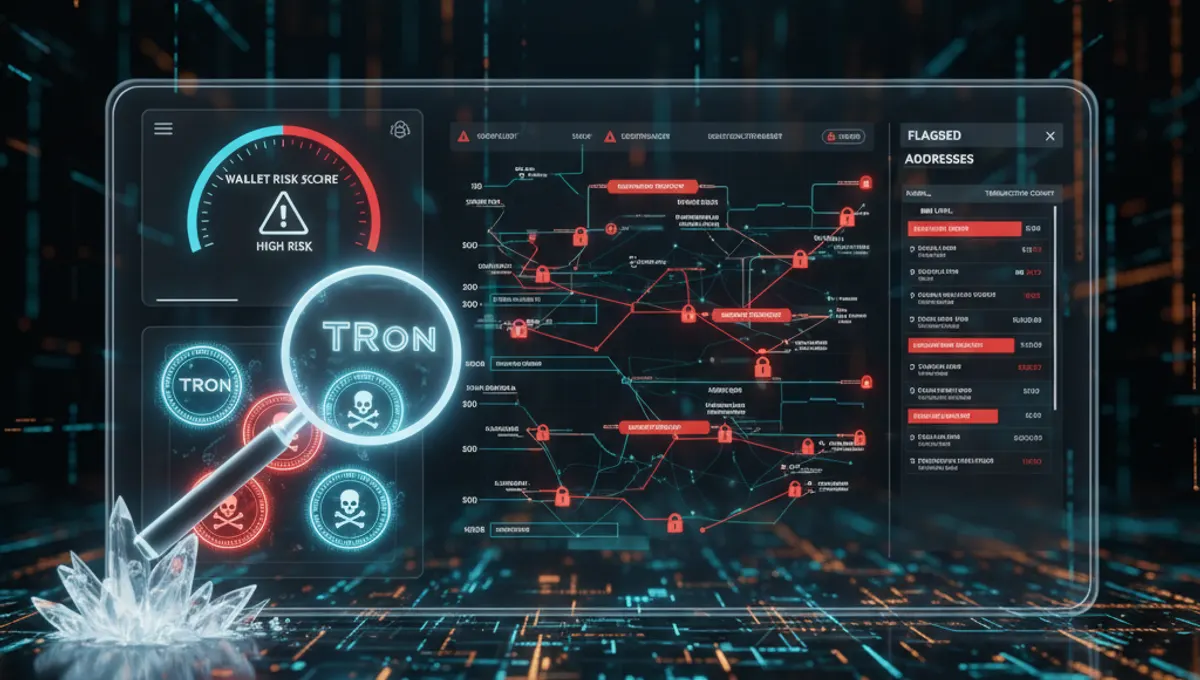
What Does a Crypto Wallet App Test Do?
A crypto wallet app test scans a blockchain address and its transaction history to detect exposure to illicit activity. The test cross-references the wallet against multiple data sources: sanctions lists (OFAC, UN, EU), known darknet market addresses, mixer services, scam databases, and stolen fund registries. The result is a risk score—typically ranging from low to critical—that indicates whether the wallet has received or sent funds linked to illegal activity, frozen exchanges, or high-risk behavior. This screening is essential for compliance teams, exchanges, and individuals who need to verify counterparties before accepting cryptocurrency. Testing happens on-chain, meaning the analysis is transparent and verifiable across the blockchain ledger.
How Does AML Scoring Work in Wallet Tests?
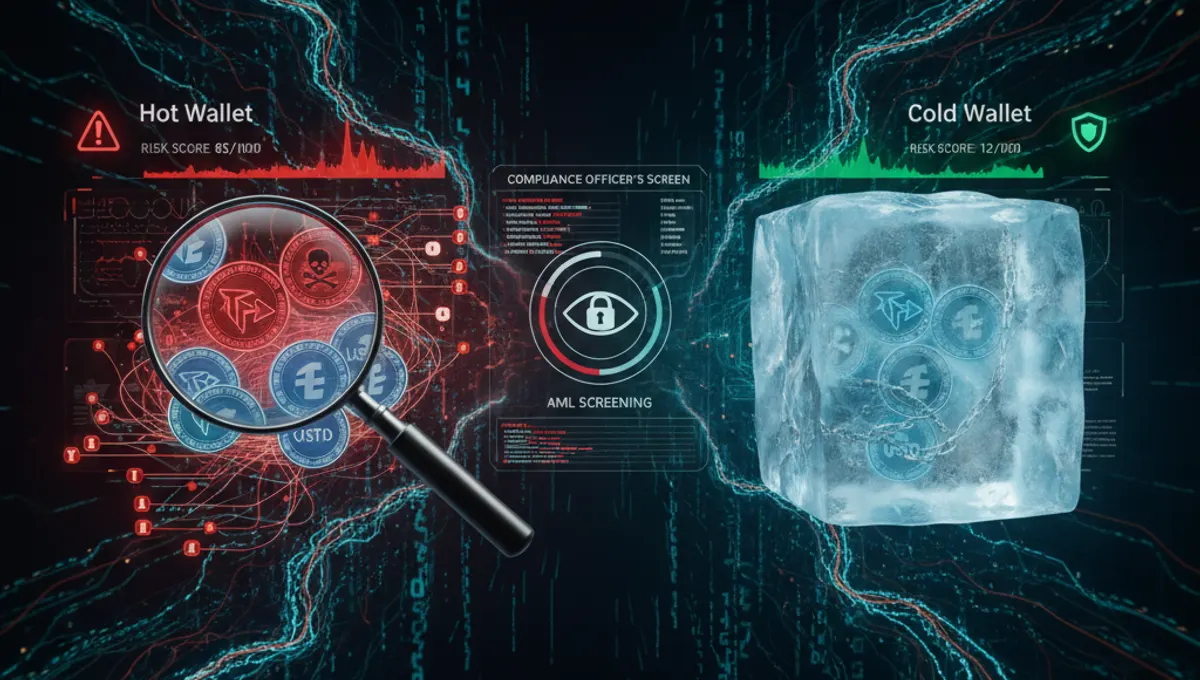
AML scoring assigns a numerical or categorical risk rating based on transaction patterns and historical exposure. Most services use a scale from 0–100 or low/medium/high/critical. Scoring factors include: direct transactions with sanctioned addresses, use of mixing services, deposits from known scam wallets, receipt of stolen funds, and frequency of high-risk transactions. A wallet that has never interacted with flagged addresses typically scores low risk. One that has received funds from a mixer or darknet market scores higher. Scoring is not punitive—it reflects observable on-chain behavior. The threshold for acceptance varies by business: exchanges may reject anything above medium risk, while peer-to-peer traders might accept medium-risk wallets after manual review. Understanding your organization's risk tolerance is the first step in interpreting test results.
Step-by-Step: How to Test a Crypto Wallet Address
Testing a wallet is straightforward. First, copy the wallet address (TRX, USDT, BTC, ETH, or other blockchain address). Second, navigate to a verified AML screening service—our curated list of trusted AML services on this site includes established providers that offer transparent scoring and detailed transaction reports. Third, paste the address into the search field and initiate the scan. The service queries the address against its risk database and returns a report within seconds to minutes. The report typically shows: the risk score, flagged transactions, associated entities, and a summary of detected risks. Fourth, review the report and compare it against your organization's risk policy. If the score is acceptable, proceed; if not, request additional documentation from the sender or decline the transaction. Always use services that provide audit trails and detailed explanations of risk flags, not just a binary pass/fail result.
What Do Crypto Wallet Risk Score Levels Mean?
Risk scores translate on-chain behavior into actionable categories. A low-risk score (typically 0–20) means the wallet has clean transaction history with no detected exposure to illicit activity, sanctions, or known fraud. Medium risk (20–50) indicates some exposure—perhaps a single transaction with a mixer or a deposit from a wallet with minor flags—but no direct sanctions or darknet links. High risk (50–80) suggests multiple red flags: repeated mixer use, deposits from scam wallets, or transactions with entities under investigation. Critical risk (80–100) means direct exposure to sanctions, stolen funds, or active darknet markets. Your acceptance threshold depends on your compliance posture. Regulated exchanges typically reject anything above low risk. Peer-to-peer traders might accept medium risk with manual review. Crypto wallet fees and transaction costs are separate from AML screening; testing itself is usually free or low-cost through verified services.
Common Risk Flags in Wallet Tests
Wallet tests flag specific behaviors that indicate potential compliance issues. Mixer exposure occurs when a wallet has sent funds to or received from a mixing service—a service designed to obscure transaction origins. Darknet market interaction means the wallet has transacted with known illegal marketplaces. Sanctions exposure indicates the wallet has received funds from or sent funds to addresses linked to sanctioned individuals or entities (OFAC, UN, EU lists). Stolen fund detection flags wallets that have received cryptocurrency reported as stolen in fraud databases. Scam exposure means the wallet has interacted with addresses associated with Ponzi schemes, rug pulls, or other fraud. Gambling and high-risk exchange exposure flags wallets with frequent transactions to unregulated gambling platforms. None of these flags automatically makes a wallet unusable—context matters. A single transaction with a mixer years ago may be less concerning than recent repeated mixer use. Review the full transaction timeline and reasoning before rejecting a wallet.
How to Avoid Receiving Tainted Coins and Frozen USDT
Receiving tainted coins can result in frozen deposits, account bans, or regulatory scrutiny. To avoid this, screen every wallet before accepting large transfers. Use verified AML services from our trusted list to test addresses before receiving funds. Establish a clear risk policy: decide your acceptable risk score threshold and stick to it. Request documentation from senders of high-value transfers—ask for proof of funds origin or a statement of compliance. For USDT specifically, note that frozen USDT on Tron (TRC20) or Ethereum (ERC20) is typically frozen at the stablecoin issuer level, not the blockchain level; if a wallet is flagged as high-risk, the issuer may freeze the USDT even after it reaches your address. Maintain transaction records and audit trails showing you performed due diligence. If you do receive flagged funds, do not attempt to move them through mixers or exchanges—this may trigger additional compliance holds. Instead, contact the sender to resolve the issue or consult a compliance specialist.
Comparing Crypto Wallet Ranking and AML Check Services
Different AML services vary in coverage, speed, and transparency. When evaluating a crypto wallet app test service, compare: data sources (do they use OFAC lists, darknet databases, scam registries?), update frequency (how often is risk data refreshed?), geographic coverage (do they screen all blockchains or only major ones?), report detail (do they explain why a wallet is flagged?), and cost (free tier limits vs. paid plans). Some services offer real-time monitoring, which is useful for ongoing compliance. Others provide one-time screening only. The best services are transparent about their methodology and provide detailed transaction reports, not just a risk score. Our curated list of verified AML services on this site includes providers that meet these standards and are trusted by exchanges and compliance teams. Start with a service from that list to ensure you're using a reputable tool with proven accuracy and audit compliance.
Frequently asked questions
Is a crypto wallet app test free?
Many AML screening services offer free basic wallet tests with limited reports. Free tiers typically show a risk score and summary flags but may not include detailed transaction history or ongoing monitoring. Paid plans unlock full reports, API access, and batch screening. Verified services on our AML list offer transparent pricing and free trial options so you can test before committing.
What happens if a wallet test shows high risk?
A high-risk result means the wallet has exposure to illicit activity, mixers, or sanctions. You should not accept funds from that wallet unless you have additional context or documentation. Contact the sender to clarify the risk flags. If the wallet belongs to a legitimate entity, they can often explain the flagged transactions. Always document your decision and the reasoning behind it for compliance records.
Can a wallet test prevent frozen USDT?
Yes. Testing a wallet before receiving USDT reduces the risk of frozen deposits. If you screen the sender's wallet and confirm it has low risk, you're less likely to receive tainted USDT. However, USDT freezes are ultimately controlled by the stablecoin issuer, not the blockchain. A wallet test is a preventive measure, not a guarantee. Always perform due diligence before accepting large transfers.
How often should I test a crypto wallet?
Test a wallet once before accepting a transfer from a new counterparty. For ongoing relationships, re-test periodically—monthly or quarterly depending on transaction volume and your compliance policy. Some services offer continuous monitoring, which automatically alerts you if a wallet's risk profile changes. This is useful for high-value or frequent transactions.
What's the difference between a wallet test and a transaction monitor?
A wallet test is a one-time snapshot of an address's risk profile. A transaction monitor continuously watches a wallet and alerts you to new flagged activity. For compliance, both are useful: test before accepting funds, then monitor ongoing activity if the relationship is long-term. Verified AML services on our list offer both capabilities.