What Is a Red Flag in AML Compliance
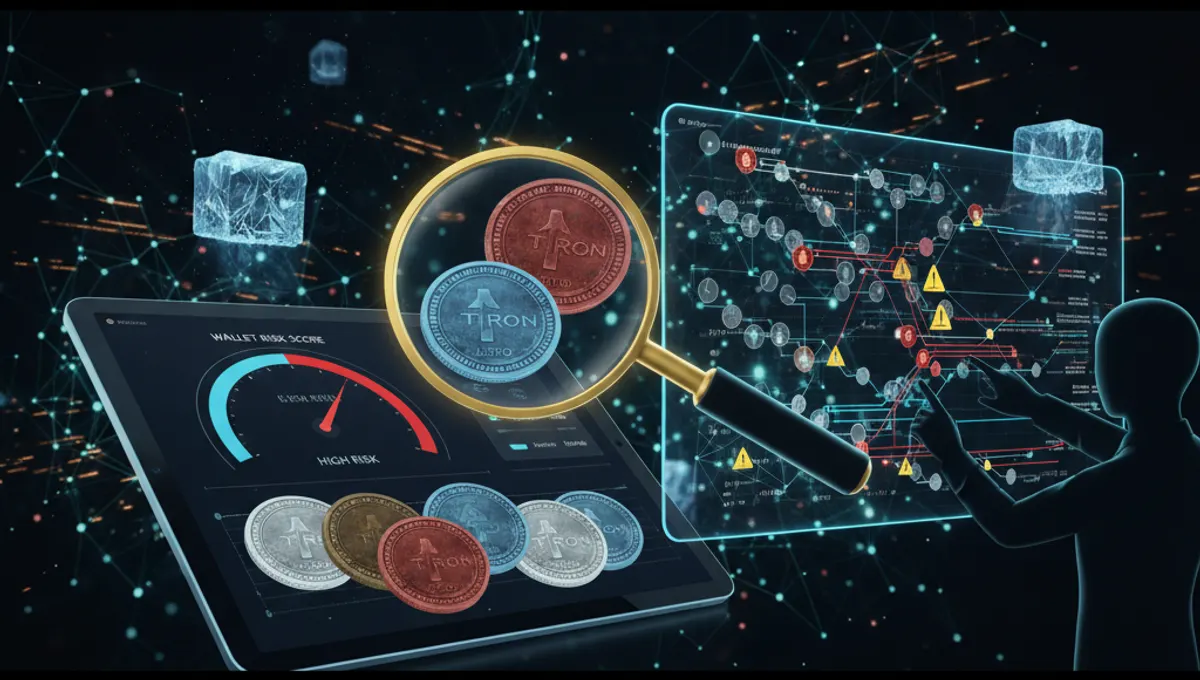
A red flag in AML (anti-money laundering) is any pattern, transaction, or behavior that suggests potential money laundering, terrorist financing, sanctions evasion, or other financial crime. In cryptocurrency, red flags include transactions involving known darknet marketplaces, mixing services, sanctioned entities, or wallets with histories of theft or fraud. Financial institutions and exchanges use red flags as triggers for enhanced due diligence, transaction monitoring, and reporting to regulatory authorities. The presence of a red flag does not prove guilt; it signals that further investigation is warranted. Common red flags include rapid fund movement, circular transactions, large round-number transfers, and activity linked to high-risk jurisdictions. When a wallet accumulates multiple red flags, the risk score increases, making it more likely that exchanges will freeze funds or reject deposits.
Common Cryptocurrency Money Laundering Red Flags
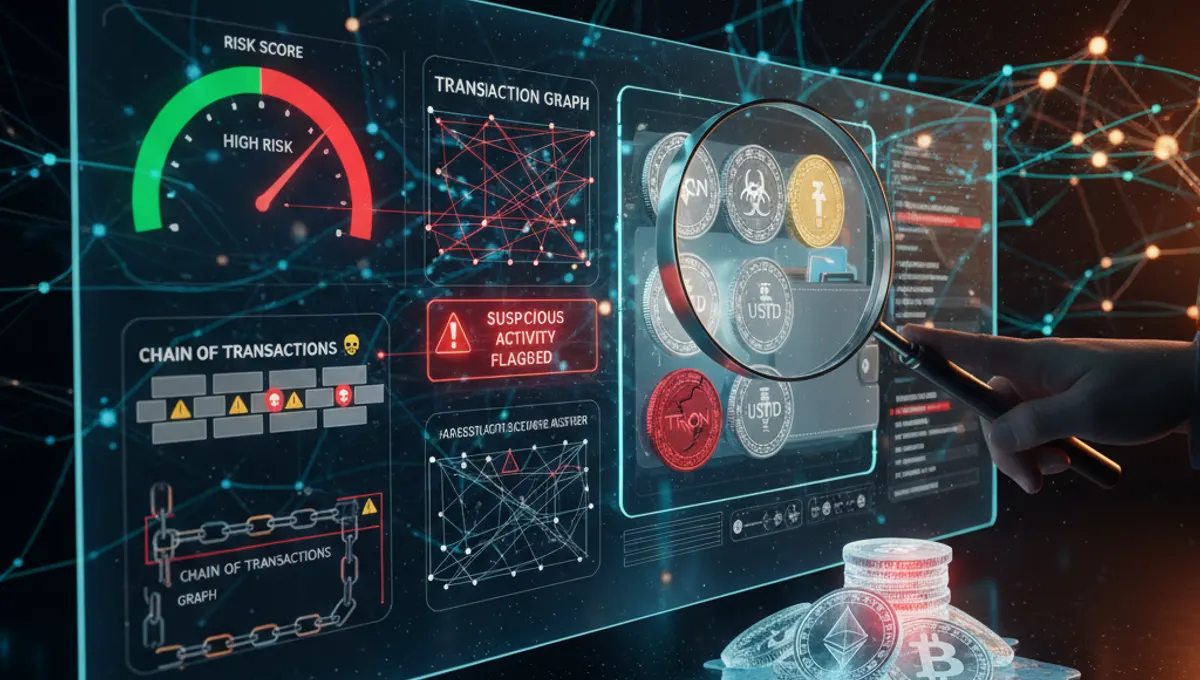
Cryptocurrency money laundering red flags fall into several categories. Mixer and tumbler usage is a primary indicator—services that obscure transaction trails are frequently used to launder stolen or illicit funds. Darknet market exposure means the wallet has received or sent funds to addresses associated with illegal marketplaces. Sanctioned entity transactions involve wallets linked to individuals or organizations on government sanctions lists. Stolen funds flags appear when coins are traced back to exchange hacks, wallet thefts, or fraud schemes. Rapid movement patterns show funds flowing quickly through multiple wallets in short timeframes, suggesting an attempt to obscure the source. Gambling and high-risk service exposure indicates transactions with unregulated gambling platforms or other high-risk merchants. Scam-related activity includes wallets involved in Ponzi schemes, rug pulls, or other fraudulent projects. Each flag contributes to an overall risk assessment; a wallet with one flag may be acceptable, but multiple flags significantly increase the likelihood of account freezes or transaction rejection.
How AML Scoring and Risk Assessment Works
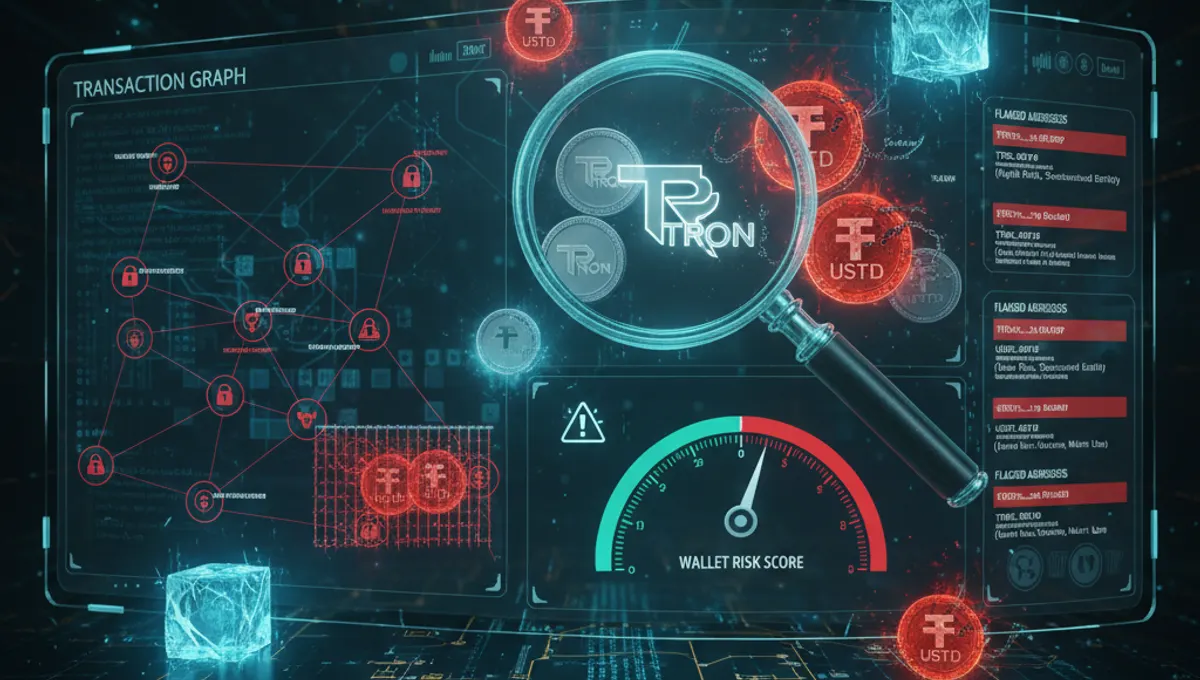
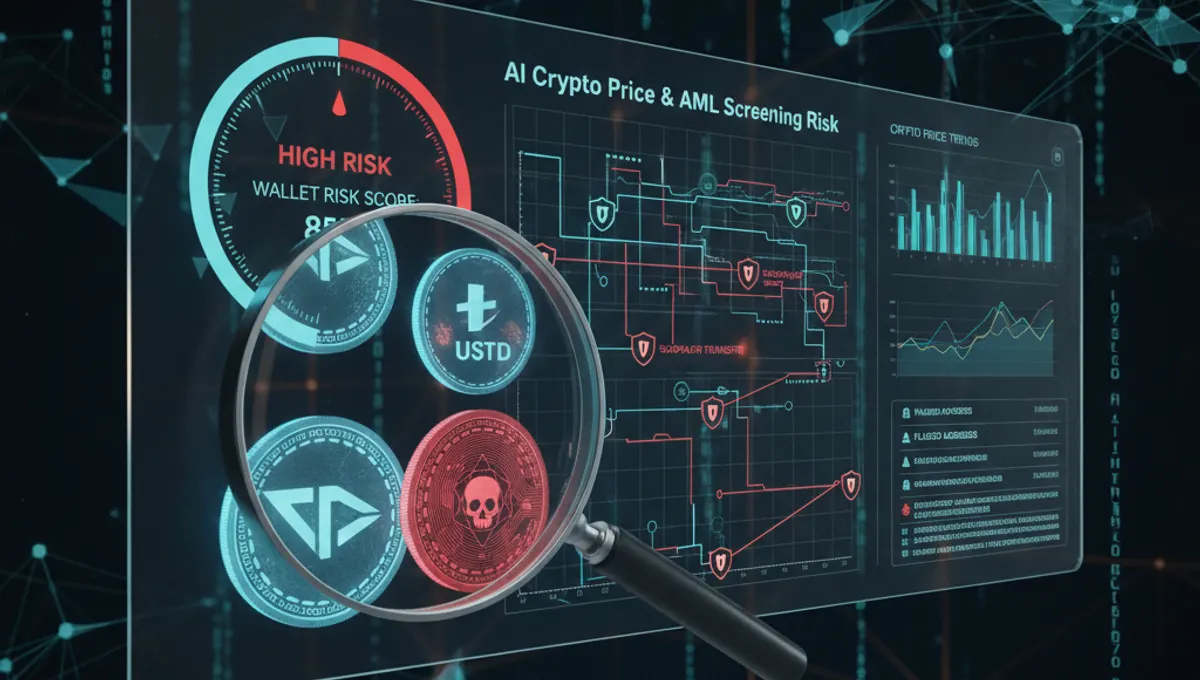
AML check crypto services assign risk scores to wallets based on transaction history, counterparty analysis, and behavioral patterns. The scoring process examines the entire transaction chain—not just the most recent activity. Blockchain analytics tools trace funds backward and forward, identifying connections to known high-risk addresses, mixing services, and sanctioned entities. Risk scores typically range from low (clean, minimal exposure) to critical (strong indicators of illicit activity). An AML check fee varies depending on the service and depth of analysis; some providers offer basic screening free, while comprehensive reports require payment. The scoring algorithm weights different factors: direct darknet exposure carries high weight, while a single transaction with a mixer may carry moderate weight. Time decay is also factored in—older suspicious activity may reduce the current risk score if recent activity is clean. Exchanges and payment processors set their own thresholds for acceptable risk; some accept only low-risk wallets, while others tolerate moderate risk depending on transaction size and customer profile.
Step-by-Step: How to Check a Wallet for AML Red Flags
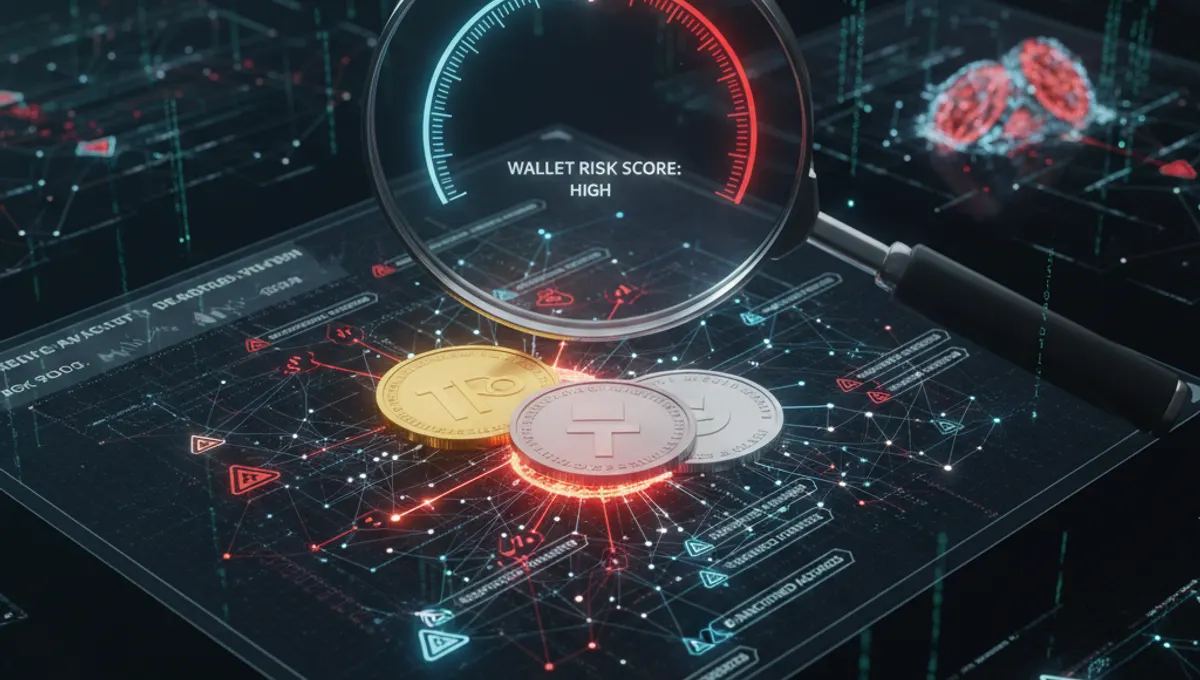
To check a wallet before receiving USDT, TRX, or other assets, follow these steps. First, obtain the wallet address in full—ensure it matches the sender's stated address and is not a typo or phishing attempt. Second, visit a reputable AML screening service (our curated list of verified AML services on this site includes trusted providers for TRON, Ethereum, Bitcoin, and other blockchains). Third, enter the address and initiate the scan. The service will return a risk score and flag any known issues: mixer usage, darknet exposure, sanctions matches, or theft history. Fourth, review the detailed report—it should show transaction patterns, counterparty addresses, and the reasoning behind the risk score. Fifth, decide whether to proceed based on your risk tolerance and business requirements. For high-value transfers or regulated businesses, accept only low-risk wallets. For personal transactions, moderate risk may be acceptable. If the wallet shows critical flags, reject the transaction or escalate to compliance review.
What Risk Score Levels Mean and When to Reject Funds
Risk score levels guide your decision to accept or reject incoming funds. Low risk (typically 0–20 percent) indicates minimal exposure to known illicit activity; these wallets are generally safe to accept. Medium risk (21–50 percent) suggests some exposure—perhaps a transaction with a mixer or a connection to a high-risk service—but not direct involvement in crime. High risk (51–80 percent) shows significant red flags: multiple mixer transactions, darknet exposure, or sanctions-adjacent activity. Critical risk (81–100 percent) indicates strong evidence of illicit activity, sanctions violations, or stolen funds. Acceptable thresholds depend on your context. Regulated exchanges typically reject critical and high-risk wallets outright. Businesses handling large transactions should accept only low-risk wallets. Personal users receiving small amounts may tolerate medium risk. If you receive funds from a critical-risk wallet, do not move them immediately—frozen USDT and blocked deposits often result from accepting tainted coins. Report the transaction to your exchange and seek guidance from their compliance team.
What Happens When Your Wallet Is Flagged as Dirty Crypto
If your wallet accumulates red flags and is flagged as dirty crypto, several consequences may follow. Exchanges may freeze your account pending investigation, preventing you from withdrawing or trading. Deposits may be rejected outright—when you try to send flagged coins to an exchange, the transaction is blocked before it completes. Your funds may be held in escrow while compliance teams investigate the source and legitimacy of the coins. In severe cases involving sanctions or stolen funds, law enforcement may seize the assets. To recover from a dirty crypto flag, first document the legitimate source of your funds—receipts, invoices, or transaction records proving you obtained the coins lawfully. Contact your exchange's compliance team and provide this documentation. Be prepared to explain your transaction history and any connections to high-risk services. If the flag is in error or based on old activity, request a review and rescoring. For future transactions, use only verified, low-risk sources and avoid mixing services, darknet exposure, and rapid fund movement. Preventive screening before receiving large amounts is far easier than recovering from a frozen account.
How to Avoid Receiving Tainted Coins and Frozen Deposits
Prevention is the most effective strategy. Before accepting any significant transfer, run an AML check on the sending wallet using a trusted service from our verified AML services list. Establish a personal risk threshold—decide in advance what risk score you will accept. For business purposes, accept only low-risk wallets. For personal use, set a higher threshold if comfortable, but never accept critical-risk funds. Verify the sender's identity independently—confirm the wallet address through a trusted channel, not via email or chat alone. Avoid receiving funds from mixing services, even if the sender claims the coins are legitimate; the mixing itself is a red flag. Be cautious of unsolicited large transfers, especially from unknown parties—these often precede requests to move the funds elsewhere, a common money laundering tactic. Use exchanges and wallets that offer built-in AML screening; many now flag incoming transactions automatically. If you receive flagged funds by accident, do not move them to another exchange or wallet—this may trigger additional freezes. Instead, contact your exchange immediately and explain the situation. Keep records of all transactions and their sources; this documentation is invaluable if disputes arise.
Frequently asked questions
What are the main red flags in cryptocurrency AML screening
Main red flags include mixer and tumbler usage, darknet market exposure, sanctioned entity transactions, stolen funds, rapid fund movement, gambling platform activity, and scam involvement. Wallets showing multiple red flags face higher risk of account freezes and deposit rejection. Each flag contributes to an overall risk score used by exchanges and compliance teams.
How much does an AML check fee cost for crypto wallets
AML check fees vary widely. Many services offer basic screening free, while detailed reports and batch checks require payment. Fees depend on the provider, analysis depth, and blockchain (TRON, Ethereum, Bitcoin). Some charge per address, others per month. Check our verified AML services list for current pricing and free options.
Can I receive USDT if the wallet has a medium risk score
Medium risk (21–50 percent) suggests some exposure but not direct crime involvement. Whether to accept depends on your risk tolerance and context. Regulated businesses should reject medium-risk wallets; personal users may accept them for small amounts. Always assess the specific flags and transaction history before deciding.
What should I do if my crypto wallet is flagged as dirty
Document the legitimate source of your funds with receipts or invoices. Contact your exchange's compliance team and provide this documentation. Explain your transaction history and request a review. Avoid moving flagged funds to other wallets. Be prepared for potential account freezes while the investigation proceeds.
How do I check if a TRON address is clean before receiving TRX
Use a reputable AML screening service to scan the TRON address. Enter the address, review the risk score and flags, and assess whether the wallet shows exposure to mixers, darknet markets, or sanctions. Our curated list of verified AML services includes trusted providers for TRON address screening.