What Counts as Suspicious Activity in AML Crypto Screening
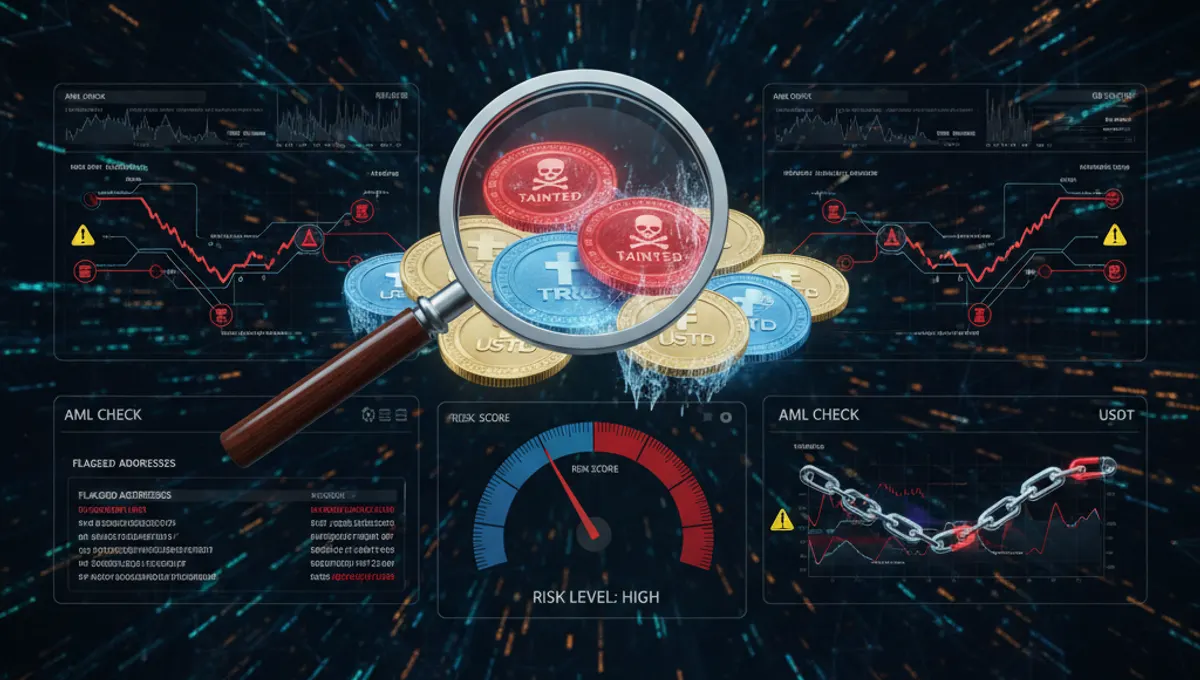
Suspicious activity in cryptocurrency refers to transaction patterns and wallet behaviors that suggest money laundering, sanctions evasion, or criminal involvement. Common examples include rapid transfers through multiple wallets, deposits to known mixer services, transactions to darknet marketplace addresses, and movement of funds flagged as stolen or ransomware proceeds. AML check services flag these patterns because they indicate an attempt to obscure the origin or destination of funds. When you perform an AML check on a crypto wallet, the screening tool compares transaction history against known risk databases and behavioral patterns. The goal is to identify whether coins in a wallet are clean or dirty before you receive them as payment or deposit them to an exchange.
Common Red Flags: Mixers, Darknet, and Stolen Funds
Mixer services are platforms designed to obscure transaction trails by combining and redistributing cryptocurrency. Any wallet that has sent or received funds through a mixer is flagged as high-risk during an AML check process. Darknet marketplace exposure is another major red flag—addresses linked to known illegal markets trigger immediate risk alerts. Stolen cryptocurrency, identified through blockchain analysis and law enforcement reports, is tracked across the chain and flagged whenever it moves. Ransomware proceeds carry the same treatment: once identified, these coins are marked as tainted. Sanctioned entity involvement means the wallet has transacted with addresses controlled by individuals or organizations on government sanctions lists. Gambling platform connections are also monitored, as they can indicate money laundering through betting activity. Each of these categories contributes to a wallet's overall risk score during an AML check fee assessment.
How AML Check Requirements Define Risk Categories
AML check requirements vary by jurisdiction and exchange, but most follow a tiered risk model. Low-risk wallets show clean transaction history with no mixer exposure, no darknet links, and no sanctions involvement. Medium-risk wallets may have minor exposure to high-volume addresses or unverified sources but no direct criminal links. High-risk wallets show direct connections to known illegal activity, multiple mixer transactions, or sanctions list matches. Critical-risk wallets are typically frozen immediately by exchanges. During the AML check process, screening tools assign a risk score based on these categories. The score reflects the probability that coins are tainted or that the wallet owner is engaged in money laundering. Understanding these requirements helps you evaluate whether an address is safe to transact with and what AML check fee you might face if your coins are flagged.
Transaction Monitoring: How Suspicious Patterns Are Detected
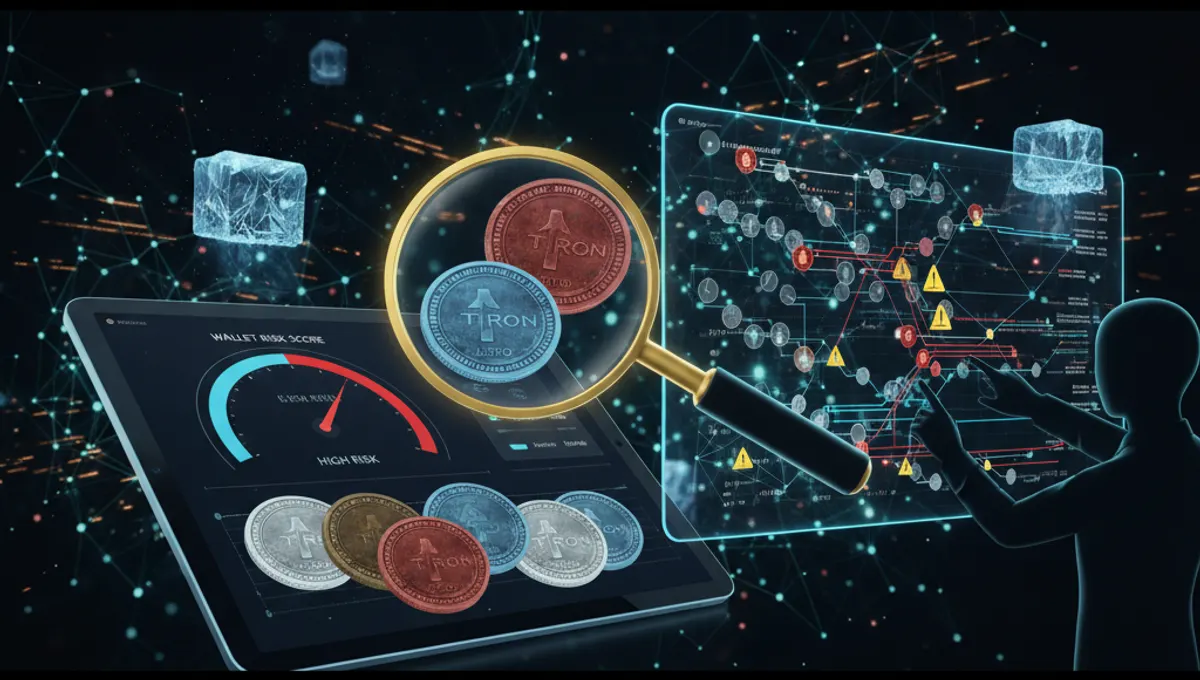
Transaction monitoring in AML screening works by analyzing on-chain data in real time. Blockchain analytics tools track wallet behavior, including transaction frequency, amount thresholds, destination patterns, and time intervals. Rapid-fire transfers to multiple addresses, especially within minutes, trigger alerts. Sudden large deposits followed by immediate dispersal to different wallets suggest layering—a classic money laundering technique. Circular transactions, where funds move in loops back to the originating wallet, are flagged as potential obfuscation attempts. Timing patterns matter too: transactions at odd hours or in unusual sequences can indicate automated money laundering. When you run an AML check on a crypto wallet, these patterns are cross-referenced against known criminal activity databases. The monitoring system also flags addresses that interact with known high-risk wallets, even if the direct transaction is small. This guilt-by-association approach catches wallets that may not have obvious red flags but operate in risky networks.
Sanctions Lists and Compliance Exposure
Sanctions lists maintained by government agencies (such as OFAC in the United States) identify individuals, entities, and wallet addresses subject to financial restrictions. Any transaction involving a sanctioned address is illegal in most jurisdictions. During an AML check, screening tools cross-reference wallet addresses against these official lists. If a match is found, the wallet is immediately flagged as high-risk or blocked entirely. Compliance exposure extends beyond direct sanctions matches: wallets that have transacted with sanctioned addresses are also monitored and may be flagged depending on the AML check requirements of your exchange or service provider. This is why understanding sanctions exposure is critical before accepting large payments. Even a single transaction to or from a sanctioned address can taint a wallet and result in frozen USDT or blocked deposits. The AML check fee you pay typically includes screening against these official lists as part of the standard AML check process.
What to Do If Your Wallet Shows Suspicious Activity Flags
If an AML check reveals suspicious activity flags on your wallet, the first step is to understand which specific activity triggered the alert. Review your transaction history to identify any mixer interactions, darknet connections, or sanctions matches. If the flag is due to a transaction you received from an unknown source, document this and be prepared to explain it to your exchange. Many exchanges allow you to submit a support ticket with context about flagged transactions. If you sent funds through a mixer unknowingly or received tainted coins, you may need to move those coins to a new wallet to separate clean from dirty cryptocurrency. However, note that blockchain is immutable—the tainted history remains visible to all AML screening tools. The best approach is prevention: before accepting large payments or deposits, run an AML check on the sending wallet using a trusted service. Check the verified AML services listed on our curated directory to find reliable screening tools that provide detailed risk reports and can help you avoid frozen USDT and blocked deposits.
Practical Steps: How to Check a Wallet Before Accepting Crypto
Before accepting USDT, TRX, BTC, or ETH from any source, follow these steps to verify the wallet is clean. First, obtain the wallet address from the sender. Second, use an AML check service to screen the address—visit our directory of verified AML services to find a trusted tool that fits your needs. Third, review the risk score and detailed report: look for any flags related to mixers, darknet, sanctions, or stolen funds. Fourth, check the transaction history summary to see if the wallet has interacted with known high-risk addresses. Fifth, assess whether the risk level is acceptable for your use case. Low-risk wallets are safe to accept. Medium-risk wallets require judgment based on context. High-risk wallets should be rejected unless you have strong reason to trust the sender. Finally, document the AML check result for your records. This process takes minutes and can prevent you from receiving frozen USDT or triggering account bans at your exchange. The AML check fee is typically small compared to the cost of dealing with blocked deposits.
Frequently asked questions
What are the most common AML suspicious activity examples in crypto?
The most common examples are mixer transactions, darknet marketplace links, stolen funds, ransomware proceeds, sanctioned entity involvement, and gambling platform exposure. Each indicates potential money laundering or criminal activity. During an AML check, these patterns trigger risk flags and can result in frozen USDT or blocked exchange deposits.
How does an AML check process identify suspicious activity?
An AML check process uses blockchain analytics to scan transaction history, cross-reference addresses against sanctions lists and criminal databases, and analyze behavioral patterns like rapid transfers or mixer use. The screening tool assigns a risk score based on detected red flags. This AML check fee covers the database access and analysis needed to identify suspicious activity.
What happens if I receive crypto from a wallet flagged for suspicious activity?
If you deposit coins from a flagged wallet, your exchange account may freeze the USDT or block the deposit. The tainted coins remain visible on the blockchain forever. To avoid this, always run an AML check on the sending wallet before accepting payment. Our verified AML services directory lists trusted tools for this screening.
Can I remove suspicious activity flags from my wallet?
No. Blockchain is immutable, so transaction history cannot be erased. However, you can move clean coins to a new wallet and document the context of any flagged transactions. If the flag was due to receiving tainted funds unknowingly, explain this to your exchange support team. Prevention through AML checks is more effective than remediation.
What AML check fee should I expect for wallet screening?
AML check fees vary by service and screening depth. Some services offer free basic checks with limited data, while comprehensive screening with detailed risk reports may cost a small fee per address. Visit our directory of verified AML services to compare pricing and features before choosing a tool for your AML check requirements.