What Are AML Transaction Monitoring Rules?
AML transaction monitoring rules are automated and manual checks applied to blockchain transactions to identify risk. They examine wallet behavior, transaction size, frequency, destination addresses, and historical exposure to illicit activity. Cryptocurrency transaction monitoring rules typically flag transactions involving mixers, darknet markets, stolen funds, sanctioned entities, or gambling platforms. Unlike traditional banking, blockchain transaction monitoring is transparent—the entire transaction history is recorded on-chain and can be analyzed retroactively. Exchanges and custodians apply these rules to decide whether to accept, delay, or reject deposits. Individual users benefit from understanding these rules to assess whether incoming crypto is clean or carries compliance risk.
How Do Crypto Transaction Monitoring Rules Work?
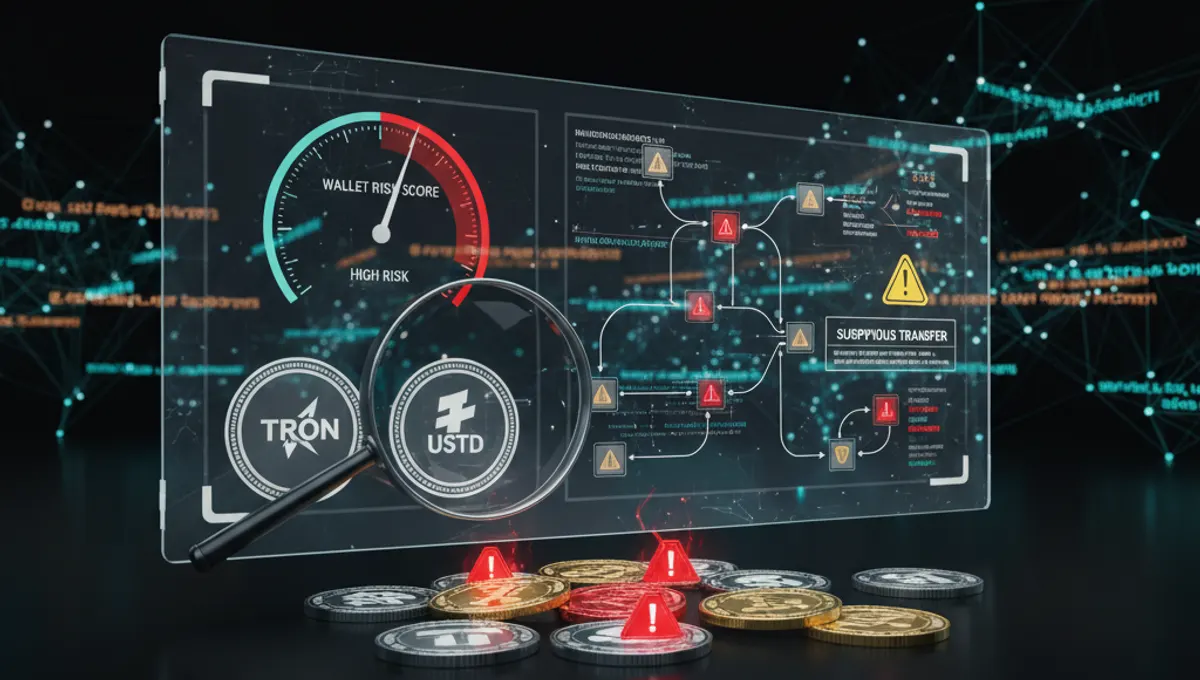
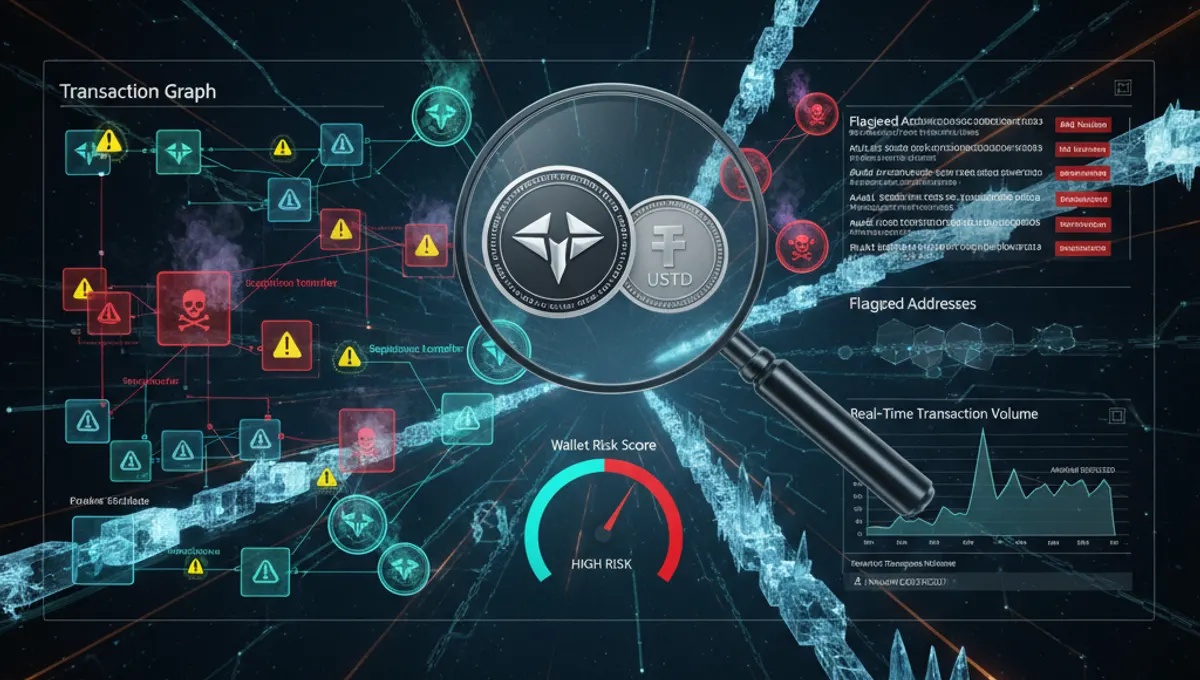
Cryptocurrency transaction monitoring operates through pattern matching and risk scoring. When a transaction is initiated, monitoring systems check the sending address against known risk categories: mixer contracts, darknet marketplace wallets, sanctioned entity lists, and theft databases. The system also examines transaction velocity (how quickly funds move), clustering (whether the address controls multiple wallets), and time-to-spend patterns. If a transaction meets certain thresholds—for example, a large deposit from a mixer or a rapid chain of transfers—it receives a risk flag. Blockchain transaction monitoring is continuous; a wallet's risk score can change as new transactions occur or as external intelligence updates. Most exchanges use tiered rules: low-risk transactions settle immediately, medium-risk transactions may be held for review, and high-risk transactions are rejected or frozen.
Common Risk Categories in Transaction Monitoring
AML transaction monitoring rules categorize risk into distinct types. Mixer exposure occurs when funds pass through privacy-mixing services designed to obscure transaction trails. Darknet market exposure flags addresses known to send or receive funds from illegal marketplaces. Stolen funds are identified through theft reports and blockchain forensics. Sanctioned entity exposure matches addresses to government sanctions lists (OFAC, EU, UN). Gambling platform exposure flags transactions to and from unregulated gambling services. Scam exposure includes addresses associated with Ponzi schemes, rug pulls, or phishing attacks. Each category carries different compliance weight; sanctioned entity exposure typically triggers immediate rejection, while gambling exposure may only trigger a warning. Understanding these categories helps users assess whether incoming crypto poses real compliance risk or is simply flagged due to legitimate but high-volume activity.
Transaction Monitoring Interview Questions: What Compliance Teams Ask
Professionals in crypto compliance and AML roles are often asked about transaction monitoring during interviews. Common questions include: How do you distinguish between legitimate high-volume trading and money laundering. What is the difference between transaction monitoring and sanctions screening. How would you respond to a frozen USDT deposit. What role does blockchain analytics play in transaction monitoring. These questions test understanding of both technical monitoring and practical compliance judgment. Interviewers expect candidates to know that transaction monitoring rules are not absolute; context matters. A large transaction from a mixer is riskier than a large transaction from a known exchange. A transaction to a gambling platform is lower risk than one to a sanctioned entity. Effective transaction monitoring requires balancing automation with human review, and understanding that false positives are common in crypto compliance.
Risk Score Thresholds and What They Mean
Most AML services assign risk scores on a scale (commonly 0–100 or 0–1000) based on transaction monitoring rules. A score of 0–20 typically indicates low risk; the address has clean history and no known illicit exposure. A score of 21–50 indicates medium risk; the address may have received funds from a mixer or shows unusual activity patterns, but no confirmed illegal exposure. A score of 51–80 indicates high risk; confirmed exposure to darknet markets, theft, or multiple risk categories. A score of 81–100 indicates critical risk; the address is linked to sanctions, active scams, or major theft. Exchanges typically accept deposits with scores below 30, review deposits between 30–60, and reject deposits above 60. However, thresholds vary by jurisdiction and institution. Understanding your wallet's risk score before sending or receiving USDT, TRON, or other assets helps you anticipate whether an exchange will accept the deposit or freeze it.
How to Check a Wallet Before Receiving Crypto
Before accepting a deposit of USDT, TRX, BTC, or ETH, verify the sending address using an AML screening service. Step 1: Obtain the full sending address from the sender. Step 2: Visit a trusted AML check service and enter the address. Step 3: Review the risk score and any flagged categories (mixer exposure, darknet exposure, etc.). Step 4: Decide whether to accept or reject the transfer based on your risk tolerance and exchange requirements. If the score is below your exchange's threshold, the deposit will likely settle normally. If the score is above the threshold, the exchange may freeze the deposit pending manual review, or reject it outright. For TRON addresses and TRC20 tokens, the same process applies; blockchain transaction monitoring works across all major blockchains. Checking wallets before receiving crypto is the most effective way to avoid frozen USDT and account bans. Our curated list of verified AML services on this site provides trusted options for wallet screening; starting with those services ensures you're using compliant, accurate tools.
What Happens When Crypto Is Flagged as Dirty?
If your received crypto is flagged as tainted or dirty during exchange deposit, several outcomes are possible. The exchange may freeze the deposit pending manual review; this review can take days or weeks. The exchange may reject the deposit and return it to the sending address. In rare cases, the exchange may seize the funds if they are confirmed to be stolen or linked to sanctions. If your own wallet is flagged as high-risk, future deposits may be rejected, and your account may be restricted or closed. To avoid this, verify incoming addresses before accepting transfers. If you receive flagged crypto, do not attempt to hide it by sending it through mixers; this increases the risk score further and may trigger legal investigation. Instead, contact the exchange support team with documentation of the transfer source. If the funds are legitimately yours and the flag is a false positive, the exchange may clear the deposit after review. Understanding transaction monitoring rules helps you recognize when a deposit is at risk before it settles.
Frequently asked questions
What is the difference between transaction monitoring and sanctions screening?
Transaction monitoring examines ongoing wallet behavior, transaction patterns, and historical exposure to risk categories like mixers and darknet markets. Sanctions screening is a point-in-time check against government-maintained lists of blocked entities. Both are part of AML compliance, but transaction monitoring is continuous and behavioral, while sanctions screening is list-based and static.
Can a wallet have a high risk score but still be legitimate?
Yes. A wallet may have a high score due to legitimate high-volume trading, participation in privacy-focused services, or false positives in blockchain analytics. Context matters; a large transaction to a mixer is riskier than a large transaction between two known exchanges. Manual review by compliance teams can clear legitimate wallets flagged by automated rules.
What should I do if my USDT deposit is frozen?
Contact your exchange support immediately with documentation of the transfer source. Provide proof that the funds are legitimately yours. If the freeze is due to a false positive or low-risk flag, the exchange may clear the deposit after review. Do not attempt to move the frozen funds through mixers; this increases risk and may trigger investigation.
How often do AML transaction monitoring rules update?
Rules update continuously as new threat intelligence emerges. Sanctions lists update weekly or monthly depending on jurisdiction. Darknet marketplace and mixer databases update as new services emerge or are shut down. Risk scores for individual addresses can change within hours if new illicit exposure is detected.
Are AML transaction monitoring rules the same across all exchanges?
No. Each exchange sets its own risk thresholds and monitoring rules based on jurisdiction, regulatory requirements, and risk appetite. One exchange may accept a deposit flagged as medium-risk while another rejects it. This is why checking your wallet's risk score before sending crypto is important; different exchanges may have different outcomes.