What Is a TRON Address and Why Check It?
A TRON address is a unique identifier on the TRON blockchain, formatted as a 34-character string starting with 'T' (for mainnet). It represents a wallet that can hold TRX (the native token) and TRC20 tokens like USDT. Checking a TRON address means screening it against AML (anti-money laundering) databases, transaction history, and risk indicators to determine whether funds received from that address carry compliance risk. Exchanges, custodians, and institutional users perform TRON address checks to avoid receiving stolen funds, proceeds from scams, or coins linked to sanctioned entities. A single transaction from a flagged address can trigger deposit freezes or account restrictions, even if your own wallet is clean. This is why wallet screening before accepting deposits matters: it protects your compliance posture and prevents downstream complications.
How TRON Address Risk Scoring Works
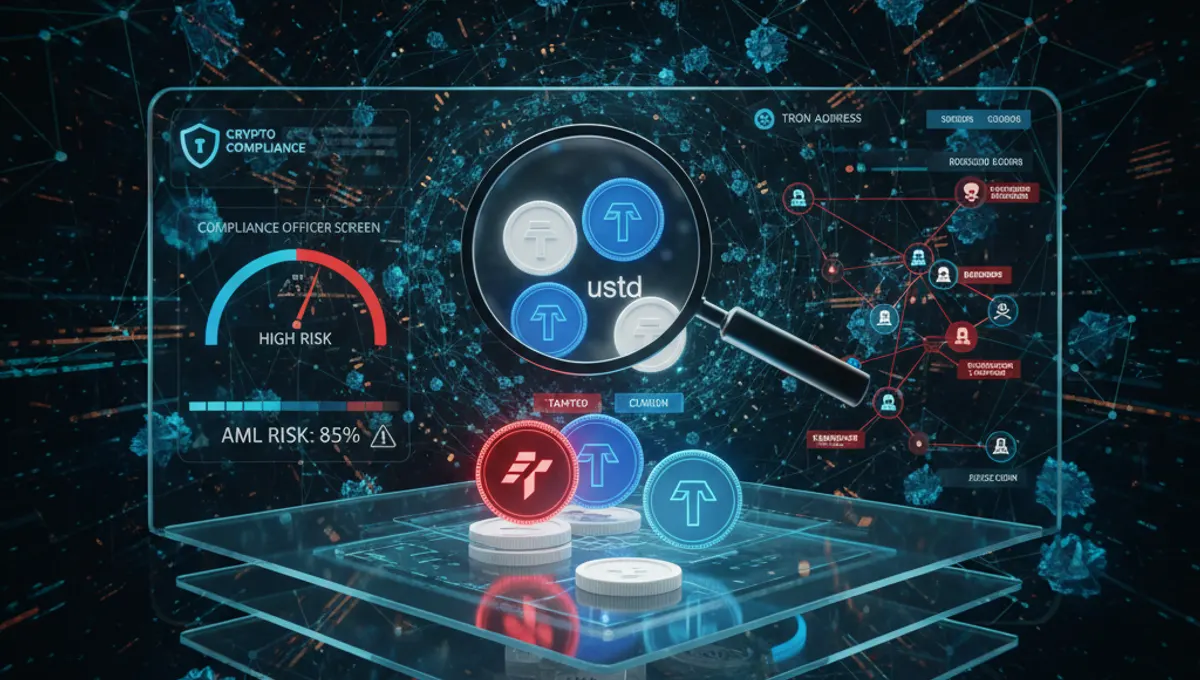
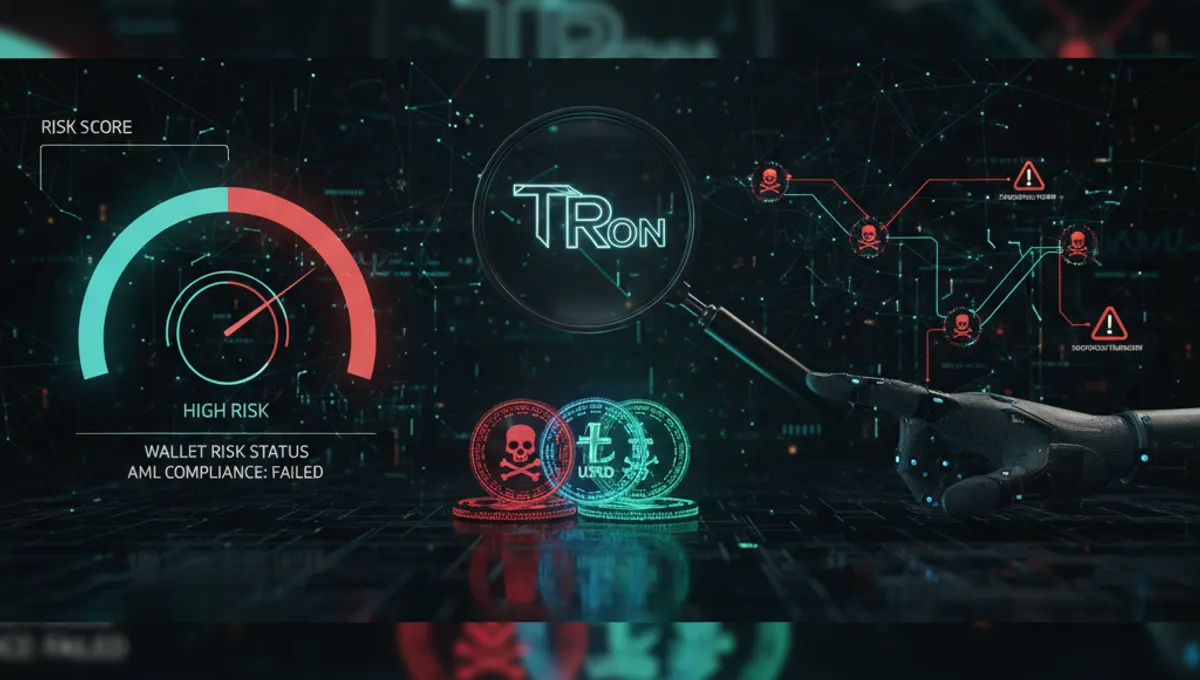
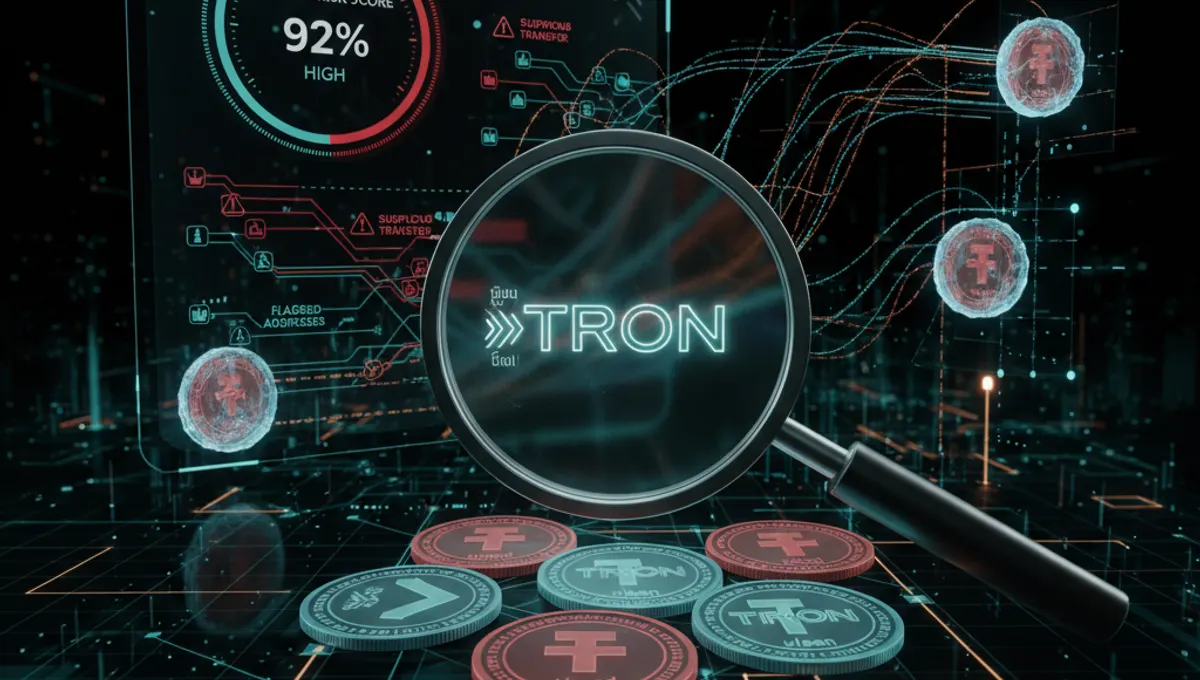
Risk scoring assigns a numerical or categorical rating to a wallet based on its transaction history and behavioral patterns. AML services analyze factors including: exposure to known mixers or tumbling services, transaction links to darknet markets, history of involvement in scams or theft, connections to sanctioned entities or high-risk jurisdictions, and clustering with other flagged wallets. A low risk score (typically 0–20) indicates minimal compliance concern; a medium score (21–70) suggests some exposure but may be explainable; a high score (71–100) flags serious red flags and warrants investigation or rejection. Risk scores are not binary judgments of guilt—they reflect statistical likelihood based on on-chain behavior. A wallet may have a high score because it received funds from a mixer, not because the current owner is culpable. Context matters: a TRON address lookup should always be paired with manual review if the score is borderline or if the transaction amount is large.
Step-by-Step: How to Check a TRON Address
To perform a TRON address check, follow these steps: First, obtain the full TRON address (starting with 'T') from the sender or transaction details. Second, visit a trusted AML screening service—our curated list of verified AML services on this site includes tools that support TRON address screening. Third, paste the address into the lookup field and initiate the scan. The service will query its database of known risk indicators and return a risk score, flagged categories (if any), and transaction history summary. Fourth, review the results: a clean score means low compliance risk; a flagged result will show specific concerns (e.g., 'mixer exposure' or 'darknet link'). Fifth, decide whether to accept the deposit based on your risk tolerance and regulatory requirements. If the score is high or unclear, contact the sender for clarification or reject the transaction. Document your decision for audit purposes. This process typically takes seconds to minutes and should be performed before accepting any significant deposit.
Understanding TRON Address Meaning and Transaction Risk Flags
A TRON address meaning is simply its role as a wallet identifier, but the real value lies in understanding what its transaction history reveals. Common risk flags include: mixer exposure (the address has sent or received funds through a mixing service designed to obscure transaction trails), darknet market links (the address has transacted with known darknet marketplace addresses), scam or theft association (the address received stolen funds or was involved in a documented fraud), sanctioned entity connection (the address is linked to an individual or organization on OFAC or similar lists), and gambling platform exposure (the address has transacted with high-risk gambling services). A TRON address lookup should also flag unusual patterns: rapid movement of large sums, sudden clustering with many other flagged addresses, or transactions with multiple high-risk counterparties. Not all flags are disqualifying—some may reflect legitimate activity in jurisdictions with stricter privacy practices. However, they warrant investigation. If you receive a deposit from a flagged address, do not move the funds immediately; instead, investigate the source and consider whether the risk aligns with your compliance framework.
What to Do If Your TRON Address Is Flagged
If a TRON address check returns a high risk score or specific flags, take these steps: First, do not panic—a flag does not mean the funds are definitely tainted, only that they carry elevated risk. Second, investigate the source: contact the sender and ask for context about their transaction history or why the address may be flagged. Third, review the specific flags: if the issue is mixer exposure, ask whether the sender used a privacy service for legitimate reasons (e.g., personal security in a high-risk jurisdiction). Fourth, assess your risk tolerance: if you are a regulated entity (exchange, custodian, fund), you may need to reject the deposit or escalate to compliance. If you are an individual, you may accept lower risk thresholds. Fifth, if you accept the deposit, document your decision and the rationale for audit purposes. Sixth, monitor the funds: if they remain in your wallet and you later attempt to deposit them on an exchange, the exchange may freeze your account if the source address is on their internal blacklist. This is why checking before accepting is preferable to checking after.
Frozen USDT and Exchange Account Bans: How They Happen
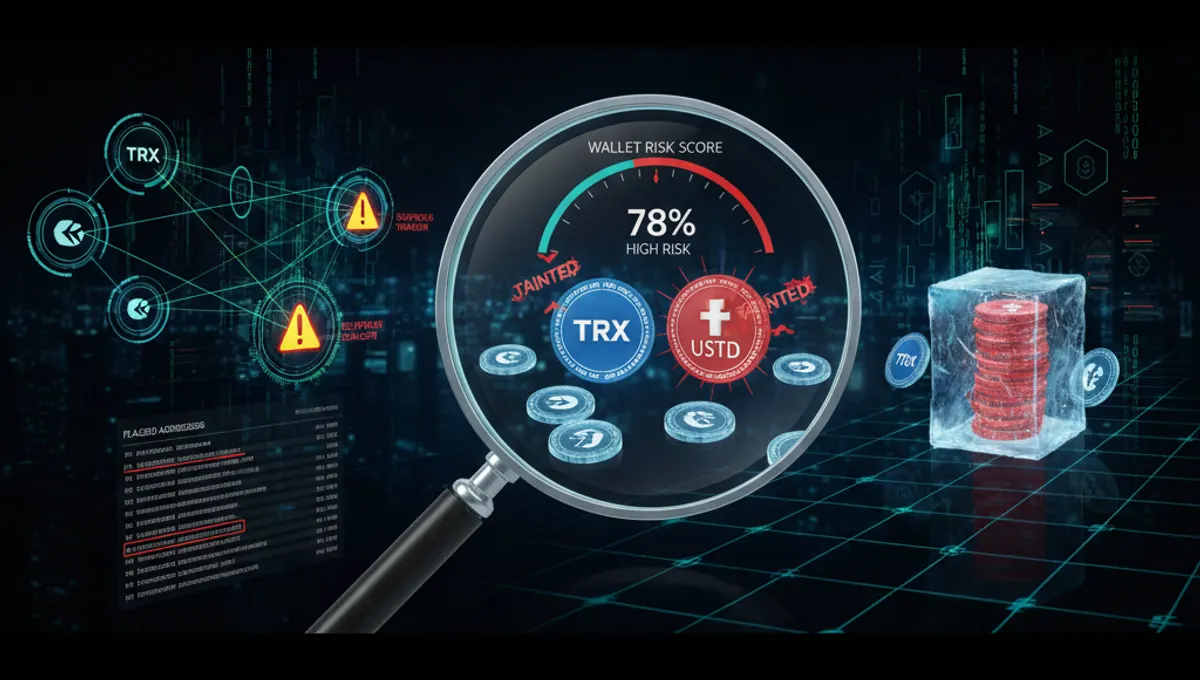
USDT on TRON (TRC20) is a popular stablecoin, but receiving flagged USDT can result in frozen deposits or account restrictions. Here is how this happens: When you deposit USDT to an exchange, the exchange performs its own AML screening on the transaction source. If the sending address is on the exchange's internal or third-party blacklist, or if the transaction history suggests sanctions exposure or theft, the exchange may freeze the deposit pending investigation. In some cases, the freeze is temporary (hours to days); in others, it is permanent and the funds are forfeited. Your exchange account may also be restricted or closed if the exchange determines you knowingly received tainted funds. To avoid this, check the TRON address of any significant USDT sender before accepting the deposit. Use the AML services listed on our verified AML services page to screen addresses before they reach your exchange account. This proactive approach prevents frozen USDT and protects your account standing.
Acceptable Risk Score Thresholds and Best Practices
Risk score thresholds vary by use case and regulatory environment. For institutional users (exchanges, custodians, funds), a threshold of 20–30 is typical: scores below 20 are accepted without review, scores 20–30 trigger manual review, and scores above 30 are rejected. For individual users or small businesses, thresholds may be higher (50–70) depending on risk appetite. However, no universal standard exists—your threshold should reflect your compliance obligations and risk tolerance. Best practices include: always check TRON addresses before accepting deposits above a certain amount (e.g., USD 1,000 equivalent); document all checks and decisions for audit trails; use multiple AML services if the stakes are high (cross-reference results); and stay informed about emerging risk categories (new darknet markets, sanctions list updates). Additionally, avoid receiving funds from addresses with obvious red flags: known mixers, addresses with rapid turnover, or addresses with no transaction history (which may indicate a newly created wallet used for illicit activity). If you are unsure about a borderline score, err on the side of caution and reject the deposit or request clarification from the sender.
Frequently asked questions
What does a TRON address checker do?
A TRON address checker screens a wallet against AML databases and transaction history to identify compliance risk. It returns a risk score and flags specific concerns like mixer exposure, darknet links, or sanctions connections. This helps you decide whether to accept deposits from that address.
Can I check a TRON address for free?
Some AML services offer limited free TRON address checks, though results may be basic. For detailed risk scoring and transaction analysis, paid services are more comprehensive. Our curated list of verified AML services includes options at various price points and feature levels.
What happens if I receive USDT from a flagged TRON address?
If you deposit flagged USDT to an exchange, the exchange may freeze the deposit pending investigation or permanently block it. Your exchange account may also be restricted. To avoid this, check the TRON address before accepting the deposit using a trusted AML screening service.
How long does a TRON address check take?
Most TRON address checks complete in seconds to a few minutes. The service queries its database and returns a risk score and transaction summary. Larger wallets with extensive history may take slightly longer, but the process is typically fast enough for real-time decision-making.
What risk score should I accept for TRON deposits?
Acceptable thresholds depend on your compliance obligations. Institutional users typically accept scores below 20–30; individual users may tolerate higher thresholds (50–70). Always document your decision. If unsure, reject the deposit or request clarification from the sender before accepting.