What Is a Crypto Billionaire: Definition and Characteristics
A crypto billionaire holds at least one billion dollars in cryptocurrency, usually across Bitcoin, Ethereum, USDT, or other major assets. Unlike fiat wealth, crypto holdings are often traceable through blockchain explorers, though the identity behind an address may remain anonymous unless linked to a known exchange or public figure. Crypto billionaires include early Bitcoin adopters, founders of major blockchain projects, and institutional investors who accumulated large positions during market cycles. Their wealth is denominated in the cryptocurrency itself, so its dollar value fluctuates with market price. Some crypto billionaires are publicly known figures; others operate through anonymous or corporate wallets. The transparency of blockchain means their transaction patterns, fund movements, and address interactions are permanently recorded, making them subject to AML (anti-money laundering) analysis and regulatory scrutiny.
How Crypto Wealth Is Tracked and Why KYC and KYT Matter
Blockchain transaction monitoring allows analysts to track large transfers and identify patterns associated with crypto billionaires. KYC (know-your-customer) processes require exchanges and custodians to verify the identity of account holders, which helps link wallet addresses to real-world individuals. KYT (know-your-transaction) screening examines the history and risk profile of each transaction, flagging transfers from or to addresses associated with sanctions, darknet markets, or stolen funds. For crypto billionaires, KYT meaning in practice is critical: their transactions are monitored by compliance teams at exchanges, and receiving funds from a flagged billionaire address could result in your own account being frozen or requiring additional verification. AML screening services analyze transaction patterns, mixer usage, and historical associations to assign risk scores to addresses. Understanding crypto transaction meaning—the origin, destination, and purpose of each on-chain movement—is essential for anyone receiving large transfers or managing compliance.
Crypto Billionaire Addresses and AML Risk Scoring
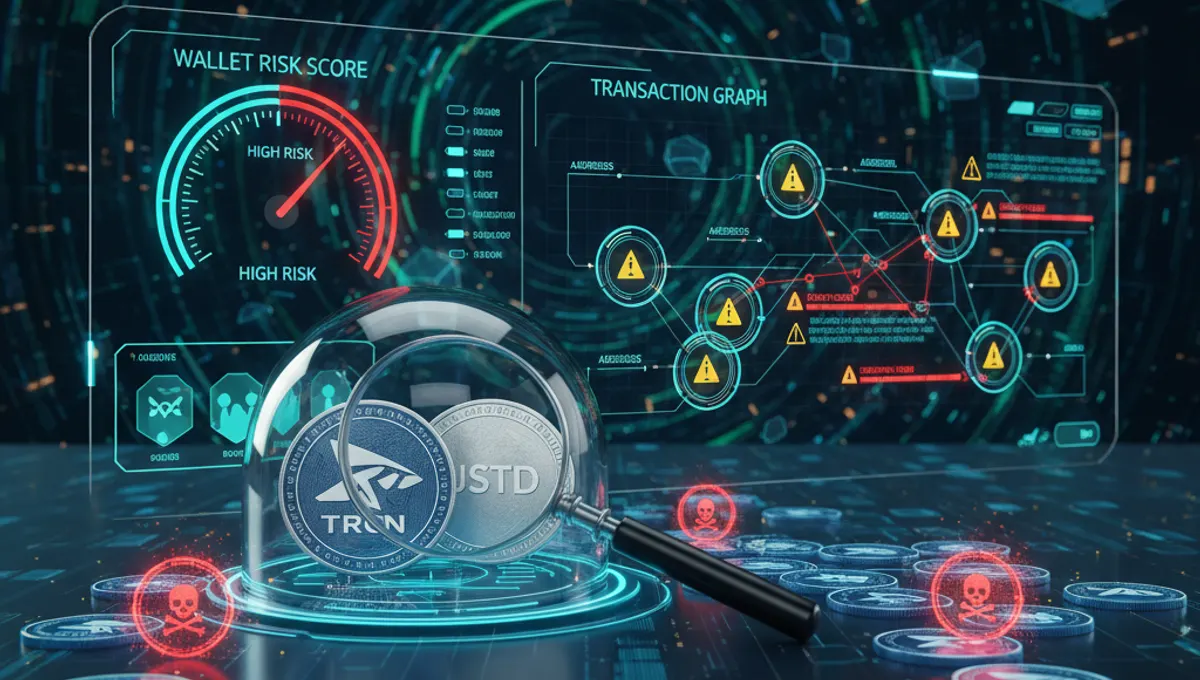
Not all crypto billionaire addresses carry the same risk. An address belonging to a legitimate early Bitcoin adopter or a transparent institutional fund may have a low AML risk score, while an address associated with a large mixer transaction or darknet market activity will be flagged as high-risk. Risk scoring considers factors such as: transaction history with known illicit entities, use of privacy mixers, dormancy periods followed by sudden large transfers, and associations with sanctioned jurisdictions. A crypto billionaire's address may be clean (low risk) if it has been held steadily without suspicious activity, or dirty (high risk) if it has received or sent funds through mixing services or to addresses linked to scams or theft. Exchanges and custodians use these risk scores to decide whether to accept or reject deposits. Receiving USDT or other stablecoins from a high-risk billionaire address can trigger frozen deposits or account restrictions, even if the billionaire themselves is not directly culpable. This is why AML screening before accepting large transfers is a practical necessity.
How to Check if a Crypto Billionaire Address Is Clean or Dirty
To screen a wallet address before receiving funds, follow these steps: First, identify the address and blockchain (Bitcoin, Ethereum, Tron, etc.). Second, use a blockchain explorer to view the address's transaction history and balance. Third, run the address through an AML screening service to check for risk flags. These services analyze the address against databases of known illicit wallets, sanctions lists, and darknet market addresses. The AML check will return a risk score (typically low, medium, or high) and flag specific concerns such as mixer usage, darknet exposure, or stolen fund associations. For USDT transfers on Tron (TRC20), you can check the sending address's history on Tronscan or use dedicated TRC20 AML tools. If the address shows medium or high risk, you can request additional documentation from the sender or decline the transfer. Our curated list of verified AML services on Tronrscan.org provides trusted tools for this screening—starting there ensures you're using services with proven compliance track records.
Risk Categories That Affect Crypto Billionaire Address Ratings
Several risk categories determine whether a crypto billionaire's address is considered clean or dirty. Mixer exposure means the address has sent or received funds through privacy mixers, which obscure transaction trails. Darknet market association flags addresses that have interacted with known illegal marketplaces. Scam or theft connections indicate the address has received stolen funds or been linked to fraud schemes. Sanctioned entity exposure means the address has transacted with individuals or organizations on government sanctions lists. Gambling platform activity may raise compliance concerns depending on jurisdiction. Stolen USDT or other assets can be frozen by exchanges, and receiving them puts your own account at risk. A crypto billionaire address with clean transaction history—no mixer use, no darknet links, no theft associations—will have a low risk score and be safe to receive funds from. Conversely, an address with multiple risk flags should be treated with caution, regardless of the sender's claimed wealth or legitimacy.
What Happens When Crypto Billionaire Funds Are Flagged as Dirty
When a large transfer from a crypto billionaire address is flagged as high-risk, several outcomes are possible. Exchanges may freeze the deposit pending additional verification or investigation. Your account may be restricted, requiring you to provide proof of the transfer's legitimacy and the sender's identity. In cases of confirmed theft or sanctions violations, the funds may be permanently seized. Stablecoins like USDT can be frozen at the smart contract level, rendering them unspendable even if they're in your wallet. If you unknowingly receive dirty crypto, you face compliance liability—regulators may view you as complicit in money laundering, even if you didn't know the funds' origin. This is why screening addresses before accepting transfers is critical. If you receive a large transfer and later discover it's from a flagged address, contact the exchange immediately and provide documentation of your due diligence efforts. Using AML screening services before accepting funds protects both your account and your legal standing.
Best Practices for Screening Crypto Billionaire Addresses
Establish a routine of screening any address sending you significant amounts of cryptocurrency. For USDT or other stablecoins, check the sender's address on the relevant blockchain (Tron, Ethereum, etc.) before confirming receipt. Use multiple AML screening tools if possible to cross-reference risk assessments. Document your screening efforts in case of future compliance audits. Set a threshold—for example, screen all transfers above 100,000 USDT or equivalent—and apply it consistently. If you're receiving from a known entity, request their wallet address in advance and screen it before the transfer occurs. For institutional transactions, require the sender to provide proof of their own KYC compliance. Avoid addresses with medium or high risk scores unless you have a compelling business reason and can justify the decision to regulators. The verified AML services listed on our site provide transparent risk scoring and detailed reports, making them a reliable starting point for any screening workflow.
Frequently asked questions
What does crypto billionaire mean in simple terms?
A crypto billionaire is someone who owns at least one billion dollars worth of cryptocurrency. Unlike traditional billionaires, their wealth is often visible on the blockchain through public wallet addresses. Their holdings fluctuate with market prices and can be tracked through transaction history.
Why does KYC and KYT matter for crypto billionaire transactions?
KYC (know-your-customer) links wallet addresses to real identities, while KYT (know-your-transaction) screens each transaction for risk flags like mixer use or darknet exposure. This matters because receiving funds from a flagged billionaire address can freeze your own account, even if the billionaire is legitimate.
How do I check if a crypto billionaire's address is clean or dirty?
Use a blockchain explorer to view the address's transaction history, then run it through an AML screening service. These tools check against sanctions lists, darknet databases, and mixer associations, returning a risk score. Verified AML services on Tronrscan.org provide detailed reports for safe screening.
What happens if I receive USDT from a flagged crypto billionaire address?
Your exchange may freeze the deposit pending verification or investigation. In confirmed theft or sanctions cases, funds can be permanently seized. This is why screening addresses before accepting transfers is critical to protect your account and legal standing.
What risk categories affect a crypto billionaire address rating?
Key categories include mixer exposure, darknet market links, scam or theft associations, sanctioned entity connections, and gambling platform activity. Addresses with clean transaction history and no illicit associations receive low risk scores and are safe to transact with.