What Does Checking a Tron Wallet Balance Mean?
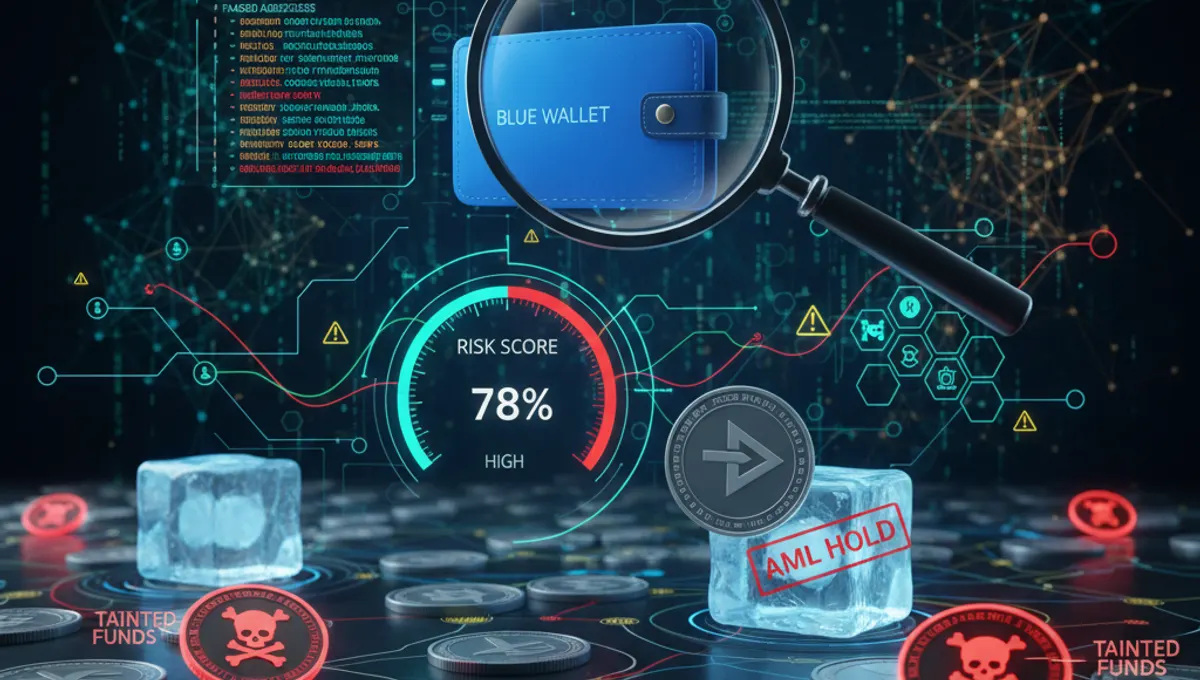
Checking a Tron wallet balance means viewing the total amount of TRX and TRC20 tokens (like USDT) held at a specific address. This is done via a blockchain explorer, a wallet app, or an AML screening tool. A Tron address is a 34-character string starting with 'T' that identifies a unique account on the Tron blockchain. Unlike traditional banking, anyone can view any Tron address balance because the blockchain is public. However, seeing the balance is only the first step. Before receiving funds, you should also check the address history for risk flags: whether it has interacted with mixers, darknet markets, scams, or sanctioned entities. This combination—balance verification plus AML risk assessment—protects you from receiving tainted coins that exchanges may later freeze or block.
How to Check Tron Address Balance Using a Blockchain Explorer
The simplest way to check a Tron wallet address balance is through a public blockchain explorer. Visit a Tron explorer (such as the official Tron network explorer), paste the 34-character Tron address into the search bar, and press Enter. The explorer displays the current TRX balance, all TRC20 token holdings, and a complete transaction history. You can see incoming and outgoing transfers, timestamps, and counterparty addresses. This method is free and requires no account. However, a basic explorer does not flag AML risk. It shows you the numbers but not whether the address has been linked to illicit activity, sanctions lists, or stolen funds. For that layer of screening, you need an AML-focused tool that cross-references the address against known risk databases.
How to Check Tron Transaction History and Risk Flags
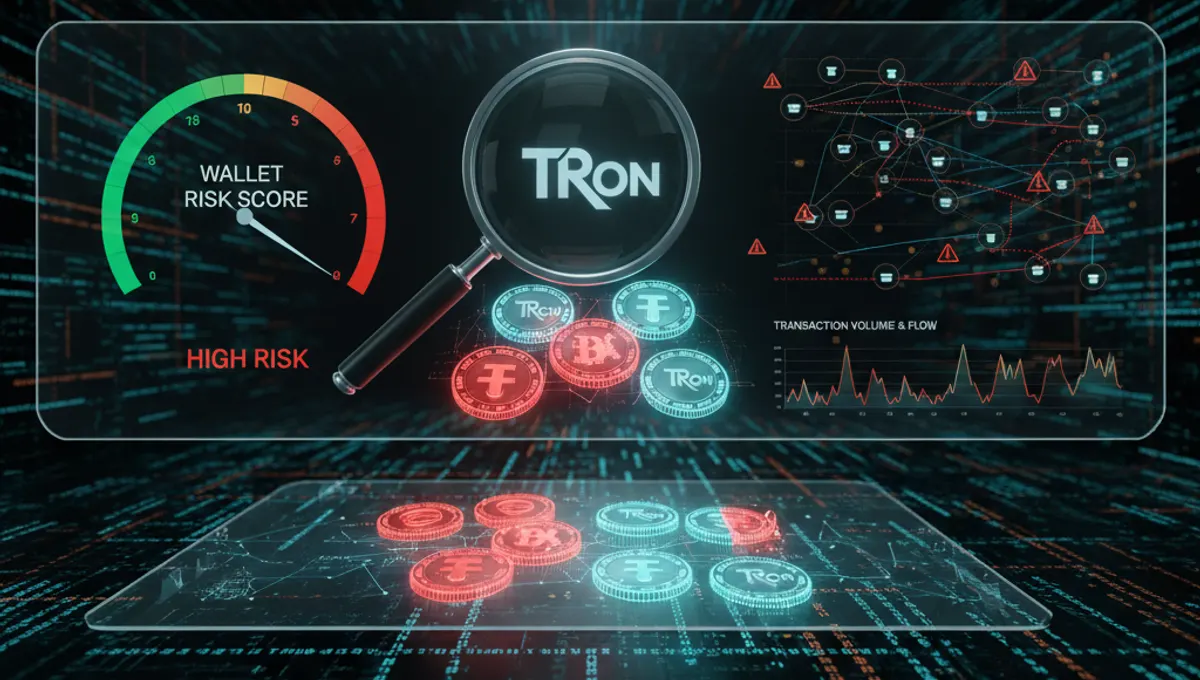
To check a Tron transaction, use the same blockchain explorer and click on any transaction hash to see sender, receiver, amount, timestamp, and status. For AML screening, look for patterns: frequent transfers to or from mixer addresses, rapid movement of funds, or interactions with known scam wallets. However, manual inspection is unreliable. A dedicated AML screening tool automatically scans the address against databases of known risk categories: mixers (services that obscure fund origin), darknet market addresses, sanctions lists (OFAC and others), stolen funds, and gambling platforms. These tools assign a risk score—typically ranging from low (0–20%) to medium (20–50%) to high (50%+)—based on the address's transaction history and counterparties. Before accepting USDT or TRX from an unknown address, run it through an AML check service to see the risk score and specific flags.
Step-by-Step: How to Screen a Tron Address Before Receiving Funds
Follow these steps to verify a Tron address is safe before receiving USDT or TRX:
- Obtain the sender's Tron address (34 characters, starting with 'T').
- Visit a trusted AML screening service (check the curated list of verified AML services on this site for recommended tools).
- Paste the address into the screening tool and initiate the scan.
- Review the risk score and transaction flags. Low risk (under 20%) is generally acceptable; medium risk (20–50%) warrants caution; high risk (50%+) should be rejected.
- Check the specific flags: if the address has sent funds to mixers, darknet markets, or sanctioned entities, decline the transfer.
- If the address is clean, proceed with the transaction.
- Document the screening result for your compliance records.
This process takes minutes and significantly reduces the chance of receiving frozen or tainted coins that exchanges will later block or seize.
Understanding AML Risk Scores and What They Mean
An AML risk score is a numerical rating (usually 0–100 or 0–100%) that reflects the likelihood an address has been involved in illicit activity. Scores are calculated by analyzing transaction patterns, counterparty relationships, and cross-referencing against known risk databases. A low risk score (0–20%) indicates the address has clean transaction history with no links to mixers, darknet markets, or sanctions lists. A medium risk score (20–50%) suggests some exposure to higher-risk counterparties but not necessarily illicit activity—for example, the address may have received funds from a gambling platform or a less-regulated exchange. A high risk score (50%+) indicates strong signals of illicit exposure: direct links to mixers, darknet markets, stolen funds, or sanctioned entities. Most institutional exchanges and compliance teams reject deposits from addresses scoring above 50%. For personal use, many accept medium-risk addresses with documented justification, but high-risk addresses are typically blocked or frozen.
What Happens If Your Tron Address Is Flagged as Dirty?
If an AML screening flags your Tron address as dirty (high risk), several consequences may follow. Exchanges may freeze your account or block deposits from that address. If you attempt to withdraw or deposit USDT linked to a flagged address, the exchange's compliance team may lock the funds pending investigation. You may be required to provide proof of funds origin (transaction records, invoices, or explanations). In severe cases, if the address is linked to sanctions lists or known theft, funds may be permanently seized. To avoid this, never accept transfers from unknown sources without screening first. If you receive tainted coins unknowingly, do not move them to an exchange immediately. Instead, document the receipt, run an AML check, and contact the exchange's compliance team with the screening results and an explanation. Transparency and documentation are your best defense. For ongoing protection, use the AML services listed on this site to screen addresses before accepting any significant transfer.
Best Practices: Avoiding Frozen USDT and Blocked Deposits
To protect yourself from frozen USDT and blocked deposits, adopt these practices:
- Screen every address before receiving funds. Use a trusted AML screening service (verified options are listed on this site).
- Reject any transfer from an address scoring above 50% risk.
- Keep records of all screening results and transaction justifications.
- Use reputable exchanges and wallets that perform their own AML checks.
- Avoid mixing personal and business funds in the same address.
- Do not use mixers or privacy-focused services if you plan to deposit into regulated exchanges.
- If you receive funds from a business partner, ask them to provide their own AML screening or compliance documentation.
- Regularly audit your wallet's transaction history for unexpected or suspicious activity.
These steps reduce the risk of compliance issues, account freezes, and fund seizures. AML screening is not a burden—it is a standard safeguard that protects both you and the financial system.
Frequently asked questions
Can I check a Tron wallet balance without the owner's permission?
Yes. Tron is a public blockchain, so any address balance and transaction history are visible to anyone via a blockchain explorer. You do not need permission to view the balance or check the address for AML risk. However, you cannot access private keys or move funds without the owner's authorization.
What is the difference between checking balance and checking AML risk?
Checking balance tells you how much TRX or USDT is in the address. Checking AML risk tells you whether the address has been linked to illicit activity, mixers, darknet markets, or sanctions lists. A high balance does not mean the address is safe; a low balance does not mean it is risky. Always do both checks before accepting funds.
How long does an AML screening of a Tron address take?
Most AML screening tools return a risk score and flags within seconds to a few minutes. The scan analyzes the address's transaction history against known risk databases. Results are instant or near-instant. Use the verified AML services listed on this site for reliable, fast screening.
What should I do if I receive USDT from a high-risk Tron address?
Do not move the USDT to an exchange immediately. Document the receipt, run an AML screening, and contact your exchange's compliance team with the results and an explanation of the transfer's origin. Transparency helps prevent account freezes. If the address is linked to theft or sanctions, reject the transfer and report it to relevant authorities.
Are there free tools to check Tron wallet balance and AML risk?
Free blockchain explorers show balance and transaction history. However, comprehensive AML risk screening typically requires a paid service or a free trial with limited scans. Check the curated list of verified AML services on this site to find options that fit your needs and budget.