What Does It Mean to Check a Tron Address
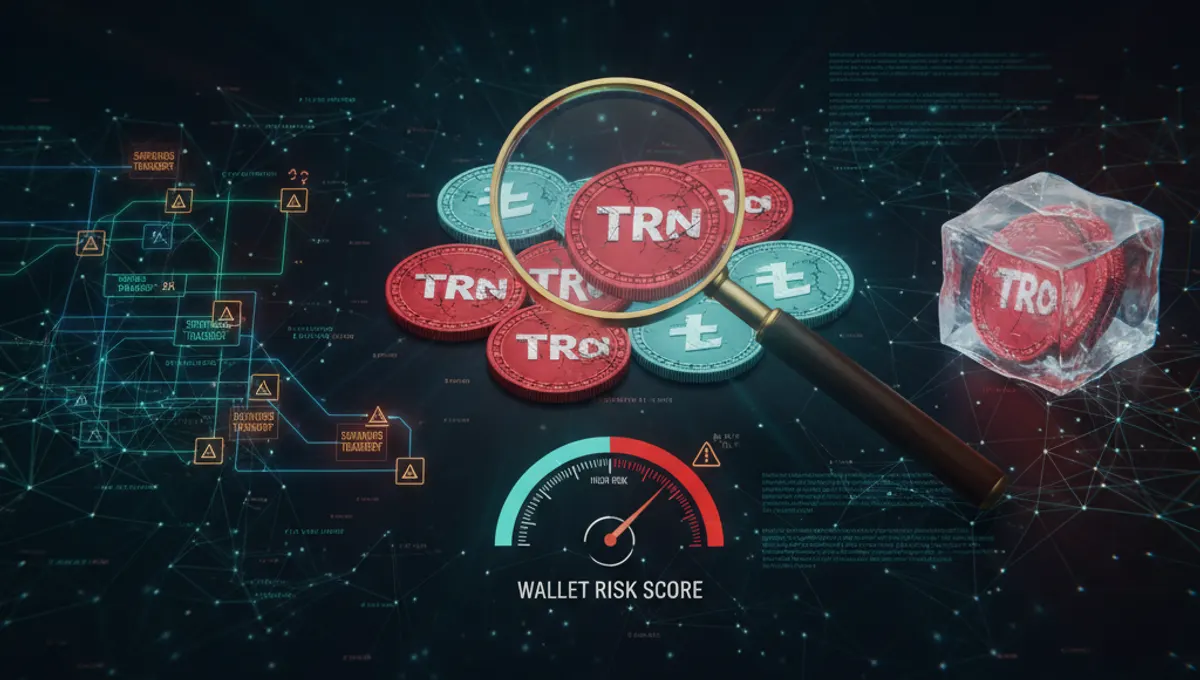
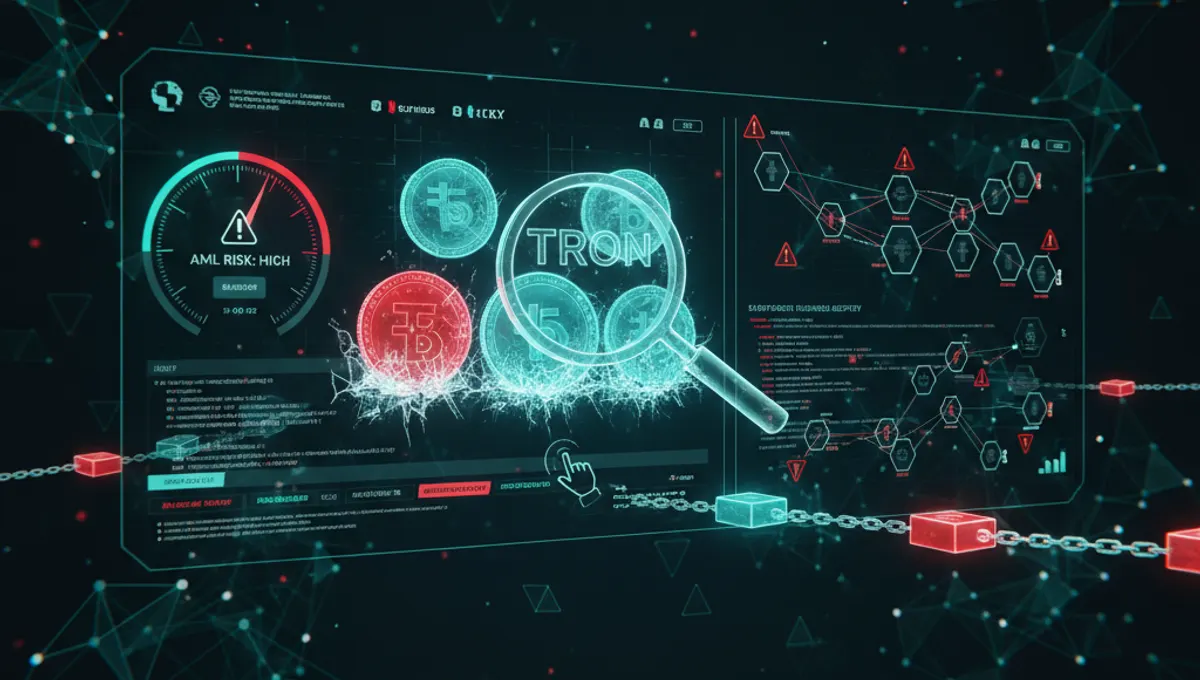
Checking a Tron wallet address means examining its on-chain history to determine whether the funds are legitimate or carry compliance risk. Every Tron transaction is recorded on the blockchain and can be traced. When you check a Tron address, you're looking for red flags: connections to mixers, darknet markets, scams, stolen funds, or sanctioned entities. A Tron address check also reveals the wallet's transaction volume, age, and interaction patterns. This is essential before accepting USDT (Tether on TRC20) or other tokens, because exchanges use AML (Anti-Money Laundering) screening to flag suspicious wallets. If your wallet receives tainted coins, your account may be frozen or your deposits rejected, even if you didn't know the source was dirty. Understanding how to check Tron transaction history protects you from compliance liability.
How to Check Tron Wallet Balance and Transaction History
To check Tron wallet balance and review transactions, you can use a blockchain explorer or AML screening tool. Start by visiting a Tron block explorer (such as official Tron network explorers) and entering the wallet address. You'll see the total TRX balance, token holdings (including USDT), and a complete list of incoming and outgoing transactions with timestamps and amounts. Each transaction shows the sender and receiver address. For a deeper AML check, use a dedicated wallet screening service that cross-references the address against known risk databases. These services flag transactions linked to mixers, darknet markets, gambling platforms, and sanctioned addresses. The risk score is typically displayed as a percentage or color-coded level (green for clean, yellow for moderate risk, red for high risk). This approach gives you both the raw transaction data and the compliance context you need before accepting funds.
Step-by-Step: How to Check a Tron Address Before Receiving USDT
Follow these steps to screen a Tron address before accepting USDT or other tokens:
- Obtain the sender's Tron address (starts with T).
- Open a Tron block explorer or an AML screening tool.
- Paste the address into the search field.
- Review the wallet's transaction history, age, and total volume.
- Check for red flags: rapid fund movement, connections to known mixers, or darknet market interactions.
- Look at the risk score provided by the screening service.
- If the score is green or low-risk, the address is generally safe.
- If the score is yellow or orange, investigate further or request a different payment source.
- If the score is red or high-risk, reject the transaction to avoid frozen deposits.
- Document the screening result for your compliance records.
This process takes minutes and can prevent your exchange account from being flagged or your funds from being frozen. Many exchanges now require this level of due diligence before crediting deposits.
Understanding Tron Address Risk Scores and Red Flags
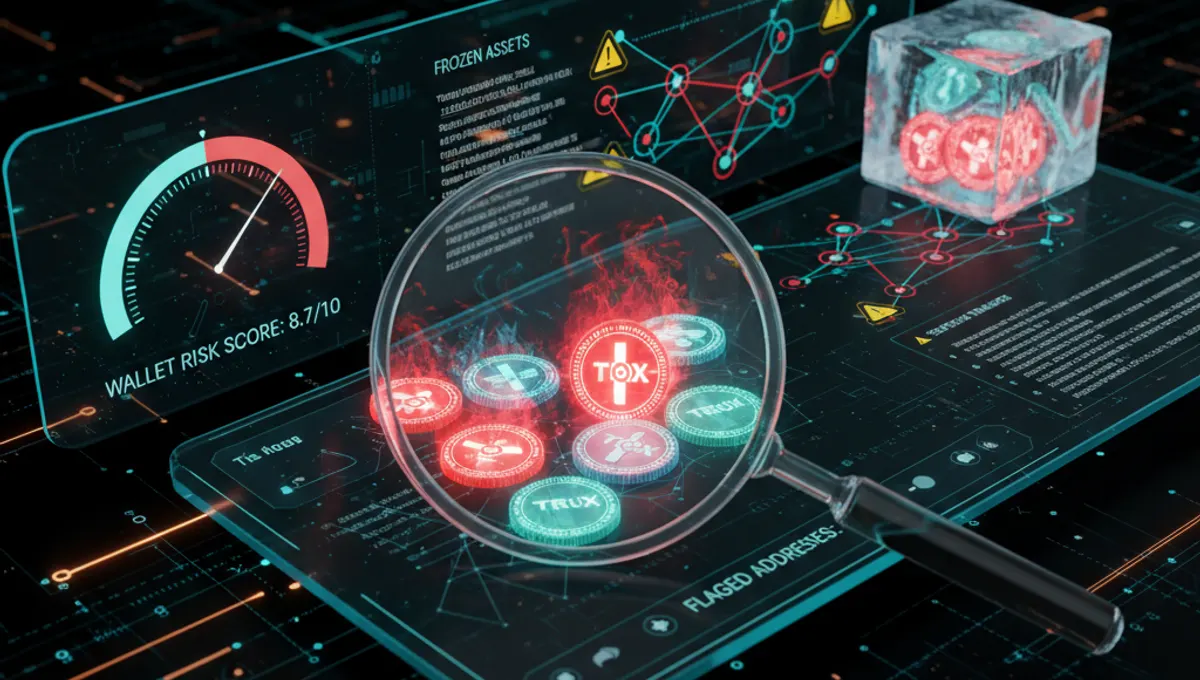
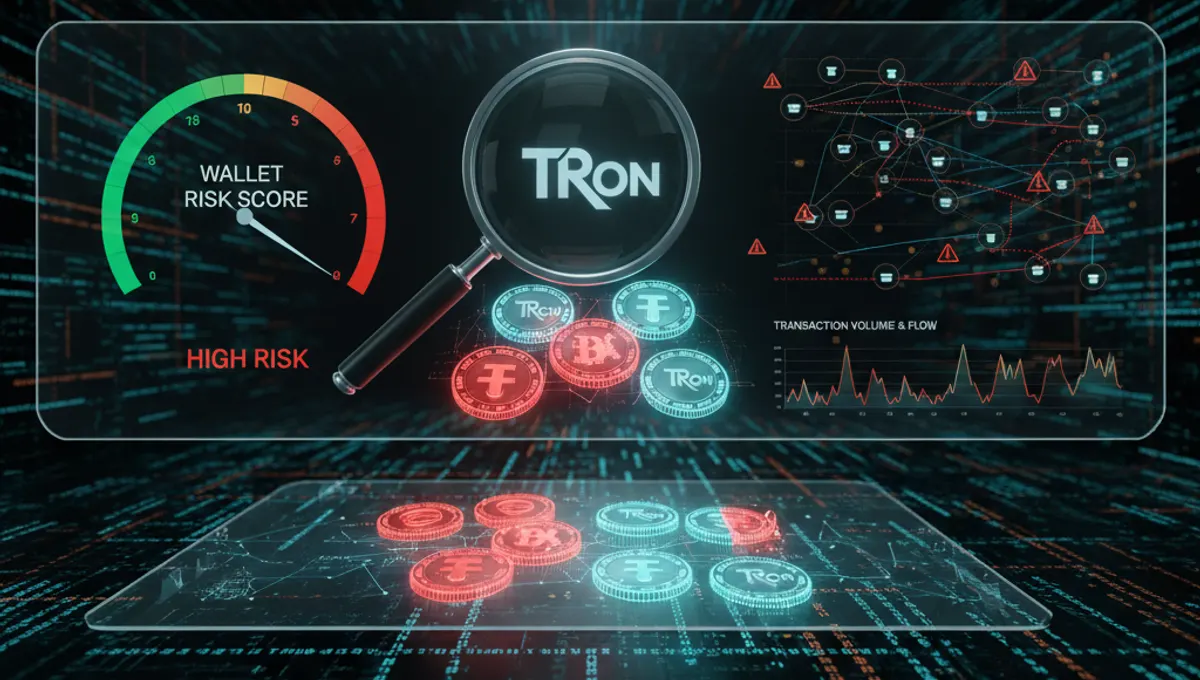
A Tron address risk score reflects the likelihood that the wallet is involved in illicit activity or compliance violations. Risk scores are typically expressed as a percentage (0–100) or a color scale. A score of 0–20 (green) indicates a clean address with no known risk factors. A score of 21–50 (yellow) suggests moderate risk, such as interaction with gambling platforms or minor mixer exposure. A score of 51–80 (orange) indicates elevated risk, including direct mixer use or connections to scam wallets. A score of 81–100 (red) signals high risk: darknet market links, stolen funds, or sanctioned entity involvement. Red flags that trigger higher scores include: rapid fund consolidation, transactions with known mixer addresses, interaction with darknet marketplaces, links to Ponzi schemes or rug pulls, and OFAC sanctions list matches. Understanding these categories helps you decide whether to accept or reject a payment. Exchanges typically block deposits from addresses scoring above 70–80, so knowing the threshold is critical.
What Happens When Tron Coins Are Flagged as Dirty or Tainted
When Tron coins (TRX or USDT) are flagged as dirty or tainted, several consequences can follow. If you deposit tainted USDT into an exchange, the exchange's AML monitoring system may freeze your account pending investigation. Your funds may be locked for weeks or months while compliance teams review the transaction history. In some cases, exchanges permanently block deposits from flagged addresses or close accounts entirely. Tainted coins can also be frozen at the protocol level if they're linked to sanctioned entities or stolen funds. You may lose access to the coins without recourse, as exchanges prioritize regulatory compliance over customer convenience. Additionally, receiving tainted funds can create a compliance record that affects your future transactions. To avoid this, always check a Tron address before accepting payment. If you've already received flagged coins, contact your exchange's compliance team immediately and provide documentation of the source. Some exchanges may allow you to move the coins to a different wallet or exchange, but this is not guaranteed.
Best Practices for Tron Wallet Address Screening
Implement these practices to minimize compliance risk when handling Tron addresses:
- Always check a Tron address before accepting significant payments, especially USDT.
- Use a verified AML screening service from our curated list of trusted providers to ensure consistent, reliable results.
- Set a risk threshold for your business (e.g., reject addresses scoring above 50) and enforce it consistently.
- Document every screening result for audit and compliance purposes.
- Request alternative payment sources if an address scores high-risk.
- Monitor your own wallet's activity to ensure you're not inadvertently interacting with flagged addresses.
- Stay informed about new risk categories, such as emerging darknet markets or sanctioned entity updates.
- If you operate an exchange or payment service, integrate real-time AML screening into your deposit workflow.
- Review your screening procedures quarterly to align with regulatory changes.
- Educate your team on how to interpret risk scores and respond to flagged transactions.
These steps create a compliance culture that protects your business and your customers from frozen deposits and account closures.
Comparing AML Screening Services for Tron Address Checks
Several services offer Tron address screening, each with different features, pricing, and accuracy levels. Some services provide free basic checks with limited detail, while others charge per query or offer subscription models for high-volume screening. Key differences include: coverage of risk databases (some include darknet market data, others focus on sanctions lists), speed of updates, integration with exchanges, and reporting depth. Free services typically show basic risk scores but may not flag emerging threats. Paid services often include real-time monitoring, detailed transaction analysis, and API access for automated screening. When choosing a service, verify that it covers Tron addresses specifically (not just Bitcoin or Ethereum), updates its risk databases regularly, and provides clear documentation of its methodology. Our site maintains a curated list of verified AML services that meet these standards—checking wallets through trusted providers listed there is the safest starting point for reliable screening. Compare services based on your volume, budget, and compliance requirements before committing.
Frequently asked questions
How do I check if a Tron address is clean or dirty
Use a Tron block explorer to view the address's transaction history, then cross-reference it with an AML screening service. A clean address has no links to mixers, darknet markets, or sanctioned entities and scores low on risk assessments. A dirty address shows connections to illicit activity and scores high on risk scales. Most screening services color-code results: green for clean, red for dirty.
Can I check a Tron wallet balance without an AML check
Yes, you can view any Tron wallet's balance and transactions using a public block explorer without AML screening. However, this only shows the raw data. An AML check adds compliance context by flagging risk factors you can't see from transaction data alone. For safe fund acceptance, always combine both approaches.
What happens if I receive USDT from a flagged Tron address
If you deposit flagged USDT into an exchange, your account may be frozen pending compliance review. The exchange may permanently block the deposit or close your account. To minimize risk, always check the sender's Tron address before accepting USDT. If you've already received flagged coins, contact your exchange's compliance team immediately.
How often should I check Tron addresses for AML risk
Check every Tron address before accepting significant payments, especially USDT. If you operate a payment service or exchange, integrate continuous AML screening into your deposit workflow. For personal transactions, check addresses manually each time. Risk profiles can change as new data emerges, so regular screening is essential.
What risk score should I accept for a Tron address
Most exchanges reject addresses scoring above 70–80. For personal use, a threshold of 50 is conservative. Green scores (0–20) are safe. Yellow scores (21–50) warrant investigation. Orange and red scores (51+) should be rejected unless you have strong reason to trust the source. Set a threshold aligned with your compliance requirements.