What Is a Free AML Crypto Check and Why It Matters
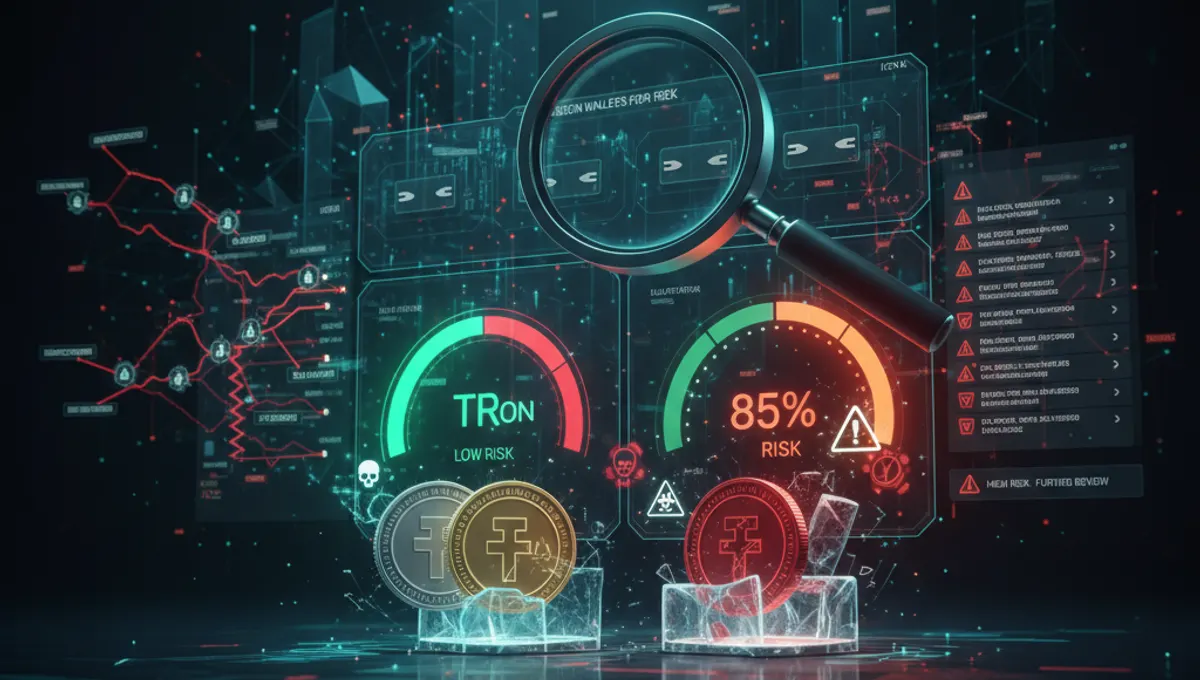
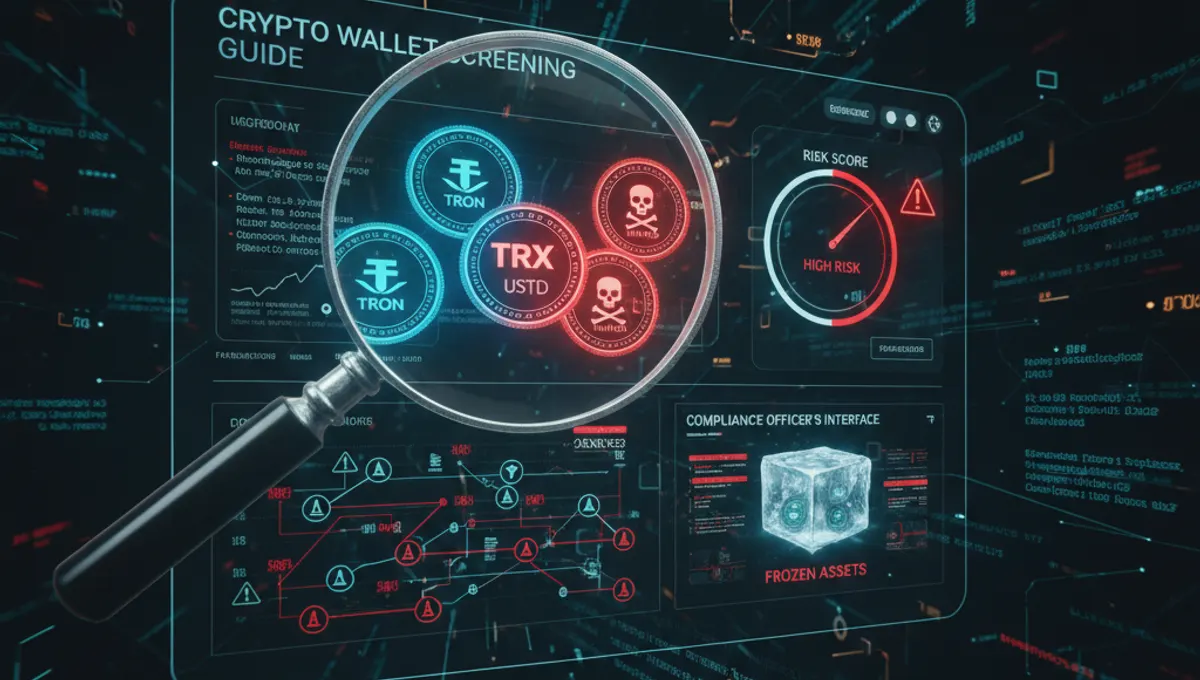
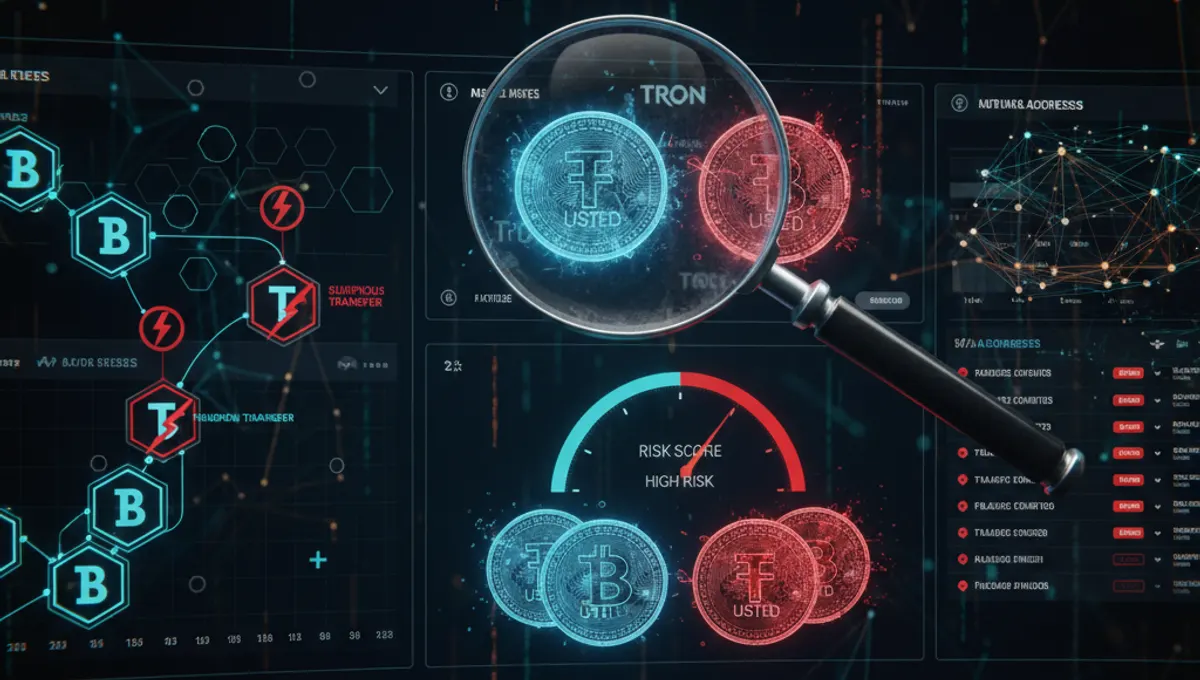
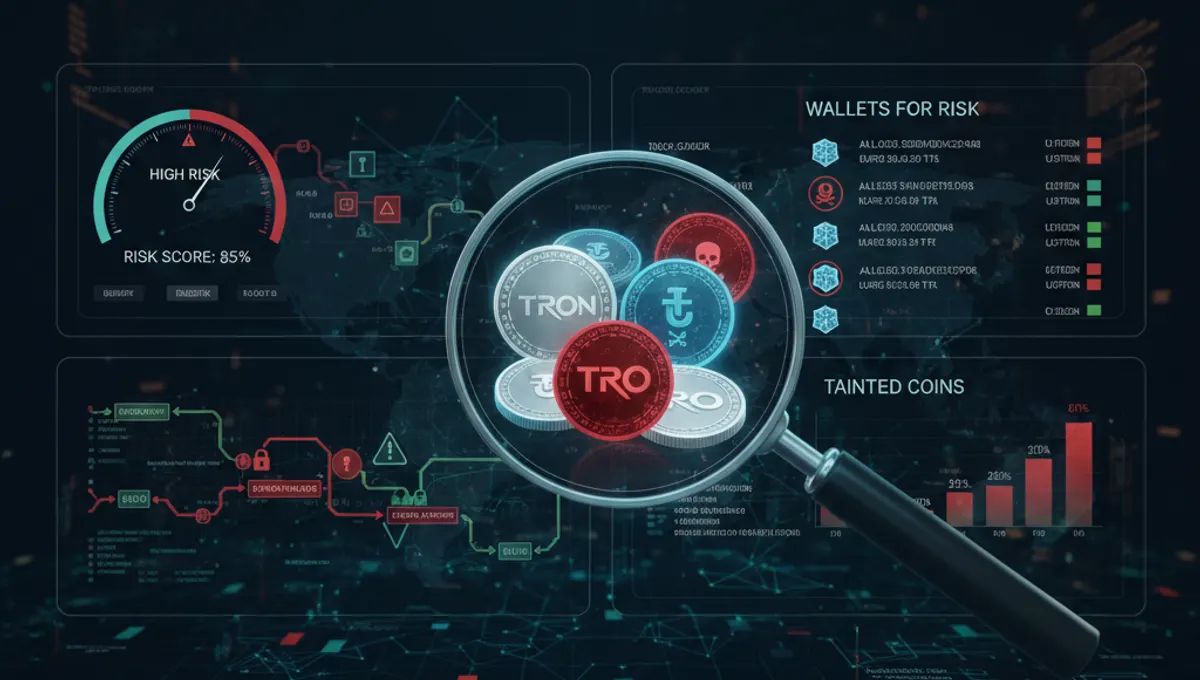
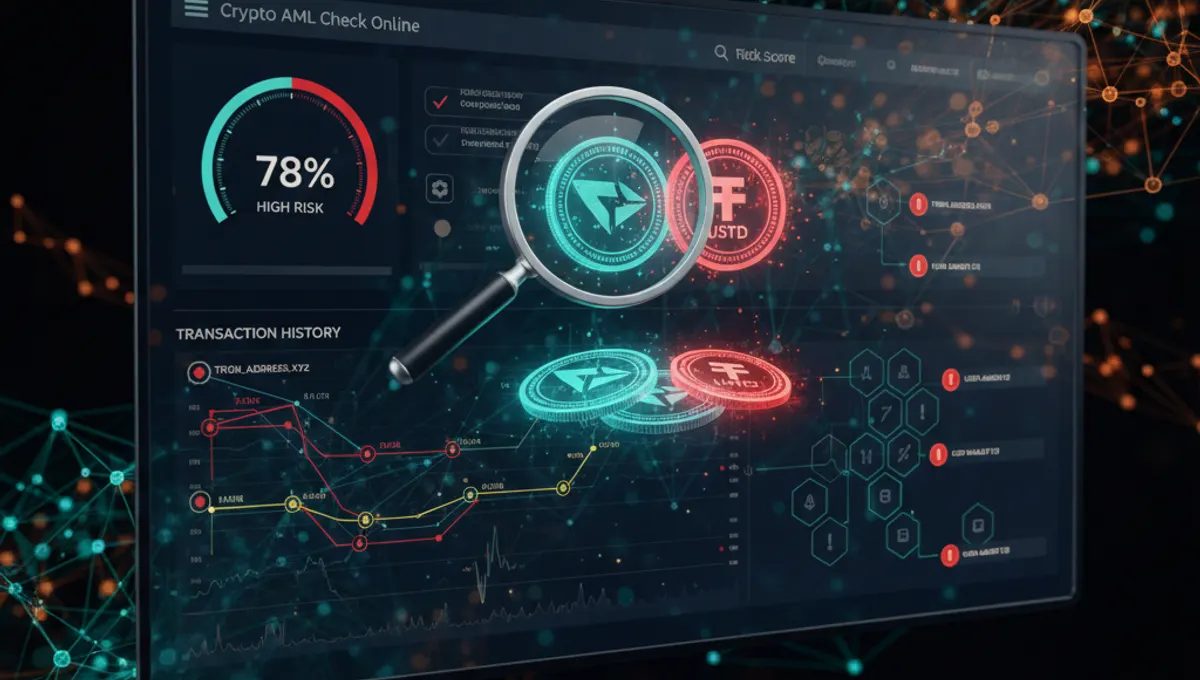
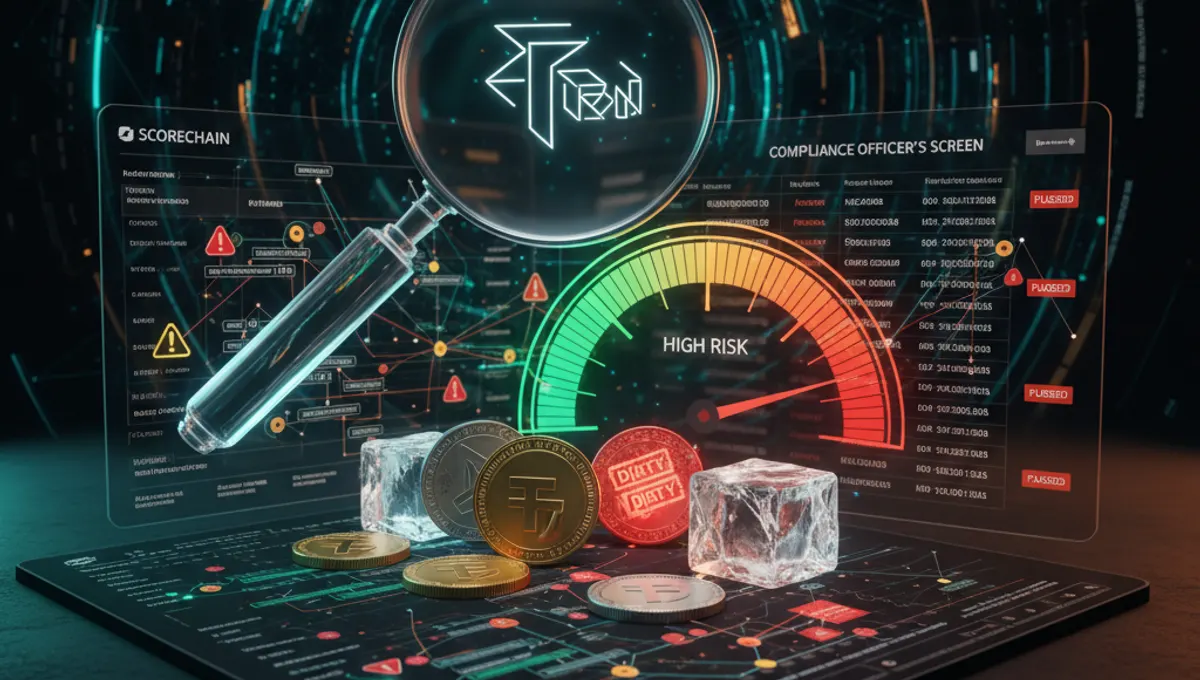
A free AML crypto check is a blockchain screening tool that analyzes a wallet address and flags it if it has received funds from high-risk sources. These sources include cryptocurrency mixers, darknet markets, scams, stolen funds, and sanctioned entities. The check returns a risk score—typically ranging from low to critical—and details the transaction history that triggered any flags.
Why it matters: exchanges and payment processors increasingly freeze accounts or reject deposits linked to flagged addresses. If you receive USDT or TRX from a tainted wallet, your own address may inherit that risk. A free AML crypto check before accepting a large transfer lets you decide whether to proceed. It also protects businesses and individuals from inadvertent compliance violations. Many platforms offer a limited number of free checks per month, with paid plans for higher volume screening.
How AML Scoring Works for Crypto Wallets
AML scoring assigns a numerical or categorical risk level to a wallet based on its transaction history. The scoring process typically follows these steps:
- Transaction tracing: the tool maps all incoming and outgoing transactions from the target address, going back through the blockchain.
- Source matching: each transaction source is cross-referenced against known databases of high-risk entities—sanctions lists (OFAC, EU), mixer services, darknet market addresses, and scam reports.
- Risk weighting: transactions from higher-risk sources receive heavier weight. A single large transfer from a mixer may trigger a medium or high-risk flag.
- Score calculation: the tool combines all risk factors into a final score or category (e.g., low, medium, high, critical).
Risk categories typically include: low (clean address, no flagged sources), medium (minor exposure to mixers or unconfirmed sources), high (direct links to darknet or sanctioned entities), and critical (stolen funds, active scam involvement). The scoring model varies between providers; some focus on direct transaction links, while others factor in indirect exposure through intermediate wallets.
How to Run a Free AML Crypto Check on a Wallet Address
Running a free AML crypto check is straightforward. Follow these steps:
- Gather the wallet address: copy the full address (TRX, USDT, BTC, ETH, or other blockchain) you want to screen.
- Choose a free AML check tool: visit a verified AML screening service. Our curated AML Services page lists trusted platforms that offer free checks with clear limits and transparent scoring.
- Paste the address: enter the wallet address into the search field. Most tools accept addresses from multiple blockchains.
- Review the risk score: the tool returns a score and a summary of flagged transactions. Read the breakdown carefully—it shows which sources triggered the flags and when.
- Check transaction details: click into flagged transactions to see the source, amount, and reason for the flag (e.g., "linked to mixer" or "darknet market exposure").
- Make your decision: if the risk is acceptable, proceed; if not, decline the transaction or request a different address from the sender.
Most free checks cover one address at a time and may limit you to 5–10 queries per month. For higher volume screening, paid plans are available.
What Risk Score Levels Mean and When to Reject a Transfer
Understanding risk score levels helps you decide whether to accept a payment:
Low risk: the address has no flagged transaction history. It is safe to receive funds. Most personal wallets and legitimate business addresses fall here.
Medium risk: the address has minor exposure to mixers, unconfirmed sources, or old transactions from low-risk entities. Accepting is usually safe, but document the check for compliance records.
High risk: the address has direct links to darknet markets, recent mixer activity, or sanctioned entity exposure. Reject the transfer unless you have a strong business reason and compliance approval.
Critical risk: the address is linked to stolen funds, active scams, or sanctioned individuals/organizations. Do not accept the transfer under any circumstances.
Acceptable thresholds depend on your context. Individuals can typically accept low and medium risk. Businesses, especially those in regulated sectors (finance, payments, exchanges), should reject anything above low risk. If you operate an exchange or payment processor, your compliance team should set a formal threshold policy.
Free vs. Paid AML Crypto Check Tools: What You Get
Free AML crypto checks offer basic screening but come with limits. Paid plans unlock deeper analysis and higher query volume.
Free tier benefits: single address screening, basic risk score, transaction history summary, limited monthly queries (typically 5–10), and no API access.
Free tier limits: no bulk address uploads, no real-time monitoring, no detailed sanctions list matching, and no custom reporting.
Paid tier benefits: unlimited queries, bulk address screening, real-time monitoring of addresses, detailed sanctions and mixer database access, API integration, custom alerts, and compliance reports for audits.
For individual users checking a single address before receiving a payment, free tools are sufficient. For businesses processing multiple payments daily, a paid plan is essential. Our AML Services page compares verified providers and their pricing, helping you choose the right tier for your needs. Start with a free check to understand the tool, then upgrade if you need ongoing screening.
What to Do If Your Wallet Is Flagged as Dirty Crypto
If a free AML crypto check flags your wallet as high or critical risk, take these steps:
- Review the flagged transactions: check which specific transfers triggered the flag. Understand whether the flag is justified (e.g., you received funds from a mixer) or a false positive.
- Document the context: if you received tainted funds unknowingly, gather evidence—emails, receipts, or transaction records showing you were unaware of the source.
- Contact the sender: ask them to clarify the source of the funds. If they cannot explain it, do not accept further transfers.
- Isolate the flagged funds: do not mix flagged coins with clean funds. Keep them in a separate address if possible.
- Notify your exchange: if you plan to deposit flagged funds, inform your exchange's compliance team in advance. Some exchanges will reject the deposit; others may accept it with documentation.
- Consider a chain analysis report: for critical flags, pay for a detailed report from a professional AML provider to understand the full transaction chain and determine next steps.
- Do not use mixers to hide the flag: mixing flagged coins makes compliance worse, not better, and may trigger legal issues.
In most cases, receiving flagged funds once does not permanently taint your wallet. However, repeated exposure or large amounts of critical-risk crypto can result in exchange account freezes.
How Exchanges Freeze Accounts and Prevent Frozen USDT
Exchanges monitor deposits for AML risk and freeze accounts or funds if they detect high-risk activity. Understanding this process helps you avoid frozen USDT and blocked deposits.
How freezes happen: when you deposit USDT or other crypto to an exchange, the exchange runs an AML check on the source address. If the address is flagged as high or critical risk, the exchange may freeze the deposit pending review. In some cases, the entire account is frozen until compliance clears it.
Why USDT freezes are common: USDT is widely used for payments and transfers, making it a frequent target for compliance screening. Frozen USDT is particularly painful because it is a stablecoin—you cannot wait for price recovery to offset the loss.
How to prevent freezes: run a free AML crypto check on any address before receiving a large transfer. If it is flagged, ask the sender to use a different address or decline the transfer. For your own wallet, avoid receiving funds from mixers, darknet markets, or sanctioned entities. If you must accept flagged funds, contact your exchange's compliance team first and provide documentation.
If your account is frozen: contact the exchange immediately. Provide transaction records, proof of the legitimate source of funds, and any AML reports you have run. Freezes can last days to weeks depending on the exchange's review process.
Frequently asked questions
Is Scorechain really free for AML crypto checks?
Scorechain and similar platforms offer free AML crypto checks with limits—typically 5–10 queries per month. Each free check screens a single address and returns a risk score and transaction summary. Paid plans unlock unlimited queries, bulk screening, and real-time monitoring. Free checks are sufficient for occasional wallet verification before receiving payments.
Can I do a free AML check on a USDT or TRX address?
Yes. Free AML crypto check tools support multiple blockchains, including USDT (Ethereum, Tron), TRX (Tron), BTC, and ETH. Paste the address into the tool, and it will screen the wallet regardless of the blockchain. The risk score applies to the address itself, not the specific token.
What does a high-risk score mean for my crypto wallet?
A high-risk score means the wallet has received funds from flagged sources—mixers, darknet markets, scams, or sanctioned entities. Receiving or holding high-risk crypto can result in exchange account freezes, blocked deposits, or compliance issues. Avoid accepting transfers from high-risk addresses unless you have a documented business reason and compliance approval.
How do I avoid receiving frozen USDT or tainted coins?
Run a free AML crypto check on the sender's address before accepting a large transfer. If the address is flagged, decline the payment or request a different address. For your own wallet, avoid receiving funds from mixers or darknet sources. If you must accept flagged funds, notify your exchange's compliance team in advance.
What is the difference between free and paid AML crypto checks?
Free checks screen one address at a time with limited monthly queries and basic risk scoring. Paid plans offer unlimited queries, bulk address uploads, real-time monitoring, detailed sanctions matching, API access, and compliance reports. Choose free for occasional checks; choose paid if you screen multiple addresses daily or need ongoing monitoring.